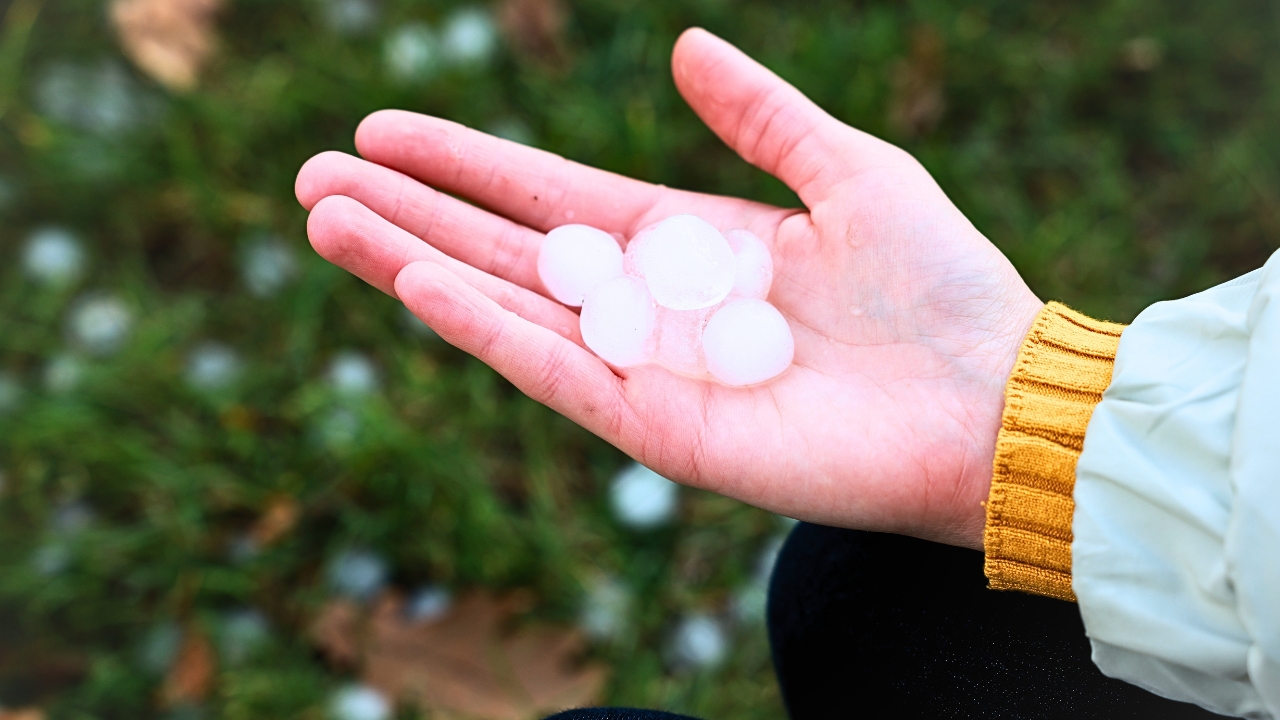
What Texas Homeowners Should Do Before the Next Hailstorm Hits
Texas homeowners do not need much convincing that hail can turn into an expensive problem fast. A storm can roll through in minutes, leave dents in gutters, bruised shingles, cracked skylights, damaged siding, and a driveway full of dinged-up vehicles. The frustrating part is that many homeowners do not realize how much the first few hours after a storm can affect the claim process.
Hail is one of the weather risks Texas families deal with year after year. NOAA’s Storm Events Database tracks severe weather reports across the country, including hail events reported by the National Weather Service. The Insurance Information Institute also noted that Texas and Illinois had the largest number of hail events in 2025, according to NOAA’s annual severe weather data.
That does not mean every storm leads to major damage, but it does mean Texas homeowners should have a plan before the next round of severe weather shows up on the radar.
Document the property before there is damage
One of the easiest steps homeowners can take is also one of the most commonly skipped: taking photos before a storm ever happens. A simple photo record of the roofline, gutters, siding, windows, fence, patio cover, outdoor structures, and vehicles can make it easier to show what changed after a storm.
Homeowners do not need professional photos. Clear phone pictures and a quick video walkaround can help. The point is to have a record showing the condition of the property before hail hits. That can matter later if there is a disagreement over whether roof damage, broken trim, or exterior dents were already there.
It is also smart to keep photos of recent repairs, roof replacements, inspections, and maintenance records. If a roof was replaced or repaired recently, those documents may help support the claim.
Check the policy before storm season gets worse
Many homeowners do not look closely at their insurance policy until they need it. By then, the deductible and coverage details can come as a surprise. In Texas, wind and hail deductibles are especially important because they may work differently from a standard flat deductible.
Some policies use a percentage deductible based on the insured value of the home. That can leave homeowners paying much more out of pocket than they expected. For example, a 1% or 2% wind and hail deductible on a high-value home can turn into thousands of dollars before insurance pays anything.
The Texas Department of Insurance says homeowners should understand how roof coverage works when buying a policy, filing a claim, or replacing a roof. The agency notes that Texas roofs can take a beating from severe weather, making roof coverage details especially important.
Before the next storm, homeowners should look for the deductible amount, whether roof coverage is replacement cost or actual cash value, any exclusions, and deadlines for filing claims.
Take photos and video right after the storm
After hail passes and it is safe to go outside, homeowners should document the damage before cleanup begins. The Texas Department of Insurance advises homeowners to take pictures and video of damage, make a list of damaged items inside and outside the home, and avoid throwing damaged items away until the insurance company says to do so.
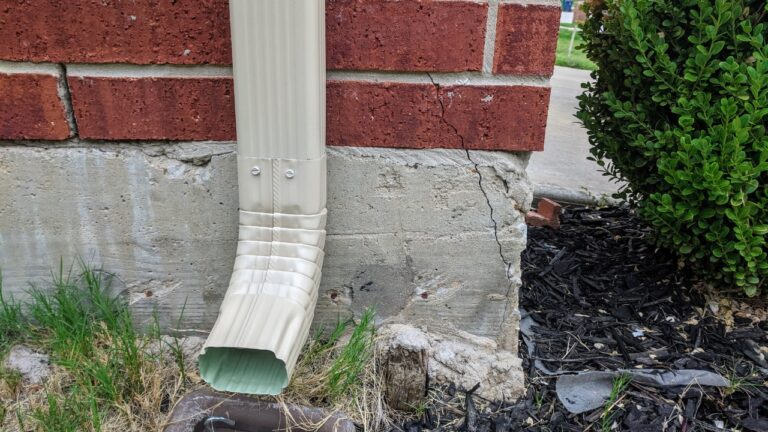
That includes obvious damage, but also smaller details. Hail can leave marks on soft metal, gutters, downspouts, window screens, AC units, fences, grills, patio furniture, and vehicles. Those items can help show the size and direction of the storm damage, even before a roof inspection happens.
Homeowners should also photograph any leaks, ceiling stains, broken glass, torn screens, damaged shingles found on the ground, or water entering the home.
Make temporary repairs, but wait on permanent work
If a storm leaves a hole in the roof, broken windows, or water coming into the house, homeowners should take reasonable steps to prevent more damage. The Texas Department of Insurance recommends making temporary repairs to prevent additional damage, such as covering broken windows or holes, and saving receipts for those repairs.
The key word is temporary. Homeowners should avoid making permanent repairs before the insurance adjuster has inspected the damage unless the insurance company gives other instructions.
That means tarping a roof may make sense. Replacing the entire damaged area before the adjuster sees it can create problems. If there is an emergency, homeowners should keep receipts, take before-and-after photos, and document why the repair could not wait.
Be careful with storm repair contractors
After a major hailstorm, contractors often move quickly through affected neighborhoods. Some are legitimate. Others use pressure tactics, vague promises, or confusing paperwork to get homeowners to sign before they fully understand what they are agreeing to.
Texas homeowners should be careful with anyone who shows up immediately after a storm, says they can “handle everything” with insurance, asks for a large upfront payment, or pressures them to sign on the spot.
Before hiring anyone, homeowners should check references, verify business information, ask for proof of insurance, get a written estimate, and avoid signing blank forms. They should also be cautious if someone offers to “cover” or “waive” the deductible, because that can create legal and insurance problems.
Stay available for the insurance adjuster
The Texas Department of Insurance recommends being available for the adjuster visit so homeowners can make sure the adjuster sees everything.
That visit matters. Homeowners should have their photos, videos, notes, repair receipts, and list of damage ready. If there are leaks inside the home, damage to detached structures, fencing, gutters, or vehicles, those should be pointed out clearly.
It can also help to write down the date and time of the storm, the approximate hail size if known, and any immediate problems noticed afterward.

Arlie Howard contributes coverage on consumer issues, family-focused stories, household concerns, scams, local cost-of-living topics, and real-life situations that affect Texas readers.
Her work focuses on explaining what happened clearly and helping readers understand the details that may matter most.