Why Texas Foundations Crack — and When Homeowners Should Start Worrying
If you own a home in Texas long enough, there is a good chance you are going to notice a crack somewhere.
Maybe it is a hairline crack in the driveway. Maybe it is a little stair-step crack in the brick. Maybe it is a thin line in the garage floor, the patio, or the sheetrock above a doorway.
The first thing to know is this: not every crack means the house is falling apart.
Concrete cracks. Houses settle. Weather changes. Soil moves. That is part of homeownership, especially in Texas.
But the second thing to know is just as important: some cracks are trying to tell you something.
The trick is knowing the difference between normal wear and a warning sign that deserves a closer look.
Texas Soil Is a Big Part of the Problem
A lot of foundation issues in Texas start with the ground underneath the house.
Many parts of the state have expansive clay soil. That type of soil changes size depending on moisture. When it gets wet, it can swell. When it dries out, it can shrink. That constant wet-dry cycle can put pressure on a home’s foundation over time.
InterNACHI, a home inspector education organization, explains that expansive soils can damage foundations and concrete slabs through uplift or lateral expansion. In plain English, that means the soil can push, pull, lift, or shift parts of the foundation when moisture changes.
That is why Texas homeowners can see foundation movement after long dry summers, heavy rain, poor drainage, plumbing leaks, or years of inconsistent moisture around the home.
It is not always one big event. Sometimes it is the slow back-and-forth movement that causes trouble.
Dry Weather Can Be Just as Hard as Heavy Rain
A lot of folks think water is the main foundation problem, and it can be.
But dry weather is a problem too.
During long hot stretches, soil can shrink away from the foundation. Homeowners may notice gaps opening between the soil and the slab. When rain finally returns, that same soil may swell again.
That push-and-pull cycle can create uneven support under the home. One side may move more than the other. One corner may settle. One section of the slab may lift.
That is when the signs may start showing up inside the house: doors sticking, cracks above windows, trim pulling apart, or floors feeling uneven.
A Texas house does not need to be old to deal with this. Newer homes can have foundation movement too, especially if drainage, grading, soil preparation, or moisture control was not handled well.
Poor Drainage Makes Everything Worse
If water is collecting near the foundation after every storm, that is a problem worth fixing.
Gutters, downspouts, grading, landscaping, patios, and driveways all affect where water goes. When water drains toward the house instead of away from it, the soil around the foundation can become too wet in some spots and much drier in others.
That uneven moisture is often where problems begin.
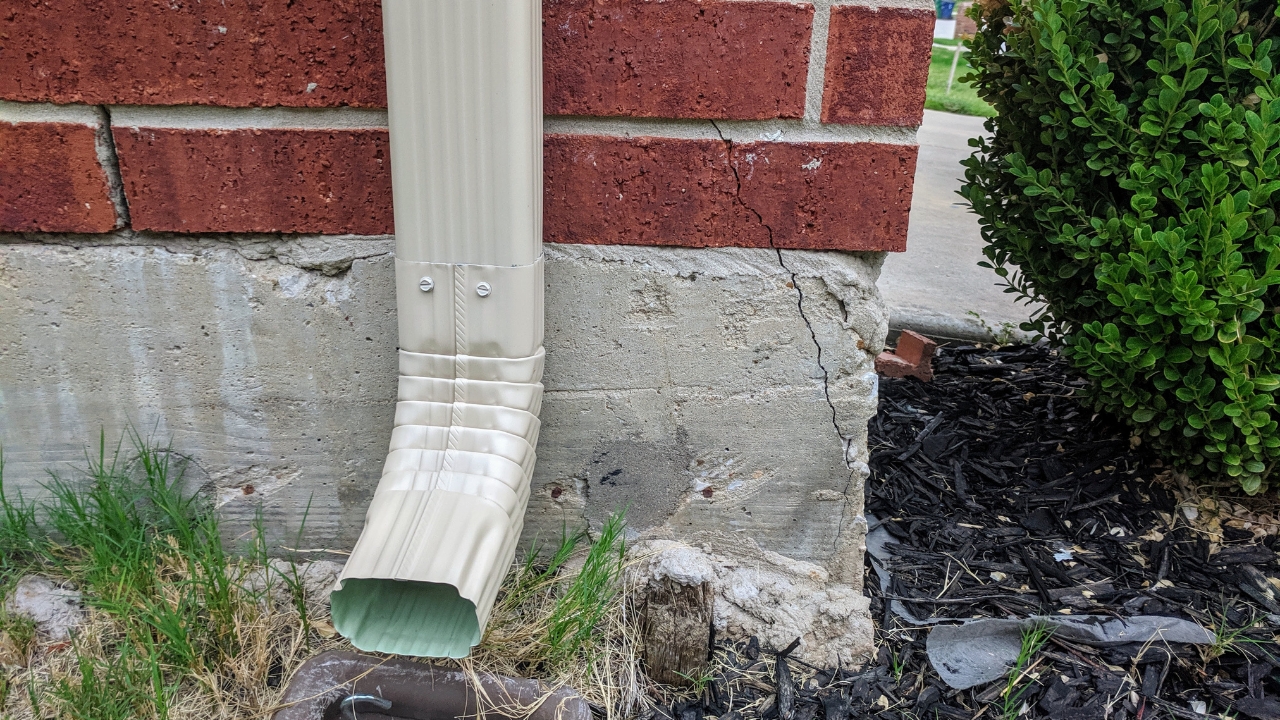
Homeowners should look for standing water near the slab, downspouts dumping water right beside the house, erosion around the foundation, flower beds holding too much water, or soil that stays soggy long after the rain stops.
A good rule of thumb is simple: water needs to move away from the house.
That sounds basic, but in Texas, basic drainage can save a homeowner a lot of money.
Plumbing Leaks Can Cause Foundation Trouble Too
Not all foundation movement comes from weather.
A plumbing leak under or near the slab can create soil movement below the home. If soil gets washed out or overly saturated in one area, the foundation may lose support or shift unevenly.
That is one reason homeowners should pay attention to signs like unexplained high water bills, the sound of running water when nothing is on, warm spots on the floor, damp flooring, mildew smells, or sudden foundation symptoms that appear quickly.
A slow leak can become a big structural headache if it goes unnoticed.
If a homeowner suspects a slab leak, it is best to call a licensed plumber. Guessing is not a great strategy when water is moving under the house.
Some Concrete Cracks Are Normal
Concrete is strong, but it is not magic.
As concrete cures and shrinks, small cracks can form. InterNACHI notes that shrinkage cracks are common in concrete slabs because concrete naturally shrinks as it cures.
That is why a thin crack in a garage floor, driveway, sidewalk, or patio does not automatically mean there is a major foundation issue.
Hairline cracks that are narrow, flat, and not changing over time are often less concerning than cracks that are widening, spreading, offset, or connected to other symptoms inside the home.
Still, homeowners should keep an eye on them. Take a photo. Note the date. Look again after heavy rain or a long dry spell. A crack that stays the same for years is one thing. A crack that grows in a few months is another.
Cracks in Brick Need a Closer Look
Brick cracks can be more concerning than a small crack in a driveway, especially if they follow a stair-step pattern through the mortar.
A stair-step crack does not always mean disaster, but it can indicate movement. The same goes for wide cracks, cracks that open near windows and doors, or brick pulling away from trim.
Look around the whole house, not just one spot. If there are cracks on multiple sides of the home, doors are sticking, and interior sheetrock is cracking too, that combination deserves attention.
One crack by itself may be minor. Several warning signs together tell a stronger story.
Interior Cracks Can Be Clues
Inside the house, foundation movement often shows up around weak points.
That usually means doors, windows, corners, and ceiling transitions.
Watch for cracks above door frames, cracks running from window corners, gaps between walls and trim, doors that will not latch, windows that suddenly stick, cabinets pulling away from walls, or floors that slope more than they used to.
Small cosmetic cracks can happen from normal settling, humidity changes, or drywall movement. But if cracks keep returning after repairs, widen over time, or show up along with sticking doors and uneven floors, it may be time to bring in a professional.
A home usually gives several clues before the problem becomes obvious.
When Homeowners Should Start Worrying
A homeowner should pay closer attention when a crack is wider than a hairline, keeps growing, appears suddenly, or comes with other signs of movement.
Warning signs may include:
Cracks that are wider at one end than the other.
Stair-step cracks in brick or masonry.
Horizontal cracks in foundation walls.
Cracks with one side higher than the other.
Doors and windows that suddenly stick or will not close.
Gaps between walls, ceilings, trim, or cabinets.
Sloping or uneven floors.
New cracks after heavy rain, drought, or plumbing problems.
Water pooling near the foundation.
InterNACHI notes that foundation cracks connected to soil pressure or water intrusion can be more serious, especially when they are horizontal, open more than hairline width, or show signs of moisture.
That does not mean every one of these signs requires panic. It means the house is worth having evaluated.
Do Not Assume Insurance Will Cover It
This is where a lot of Texas homeowners get surprised.
Foundation repair can be expensive, and standard homeowners insurance does not automatically cover every type of foundation problem. The Texas Department of Insurance explains that policies have exclusions and limits, and homeowners need to review their own policy to understand what is covered. (tdi.texas.gov)
In general, gradual soil movement, settling, shrinking, expansion, and wear over time are often treated differently from sudden covered events. A plumbing leak may be handled differently than drought-related movement, depending on the policy and circumstances.
The safest move is to read the policy, ask questions before there is a problem, and document damage when it appears. If foundation issues show up suddenly after a plumbing leak or another event, homeowners should contact their insurance company and keep records.
Do not wait until a contractor is already giving you a repair number to learn what your policy says.
What Homeowners Can Do to Help Protect the Foundation
Texas homeowners cannot control the weather, but they can control some basics around the house.
Keep gutters clean.
Make sure downspouts carry water away from the foundation.
Fix drainage problems that send water toward the home.
Avoid letting flower beds hold too much water against the slab.
Watch for soil pulling away during dry weather.
Repair plumbing leaks quickly.
Keep large trees and roots in mind when landscaping near the house.
Take photos of cracks so you can tell if they are changing.
Schedule a professional inspection when warning signs appear.
The goal is not to keep the soil perfectly wet or perfectly dry. That is not realistic. The goal is consistency. Sudden changes and uneven moisture are where trouble often starts.
Who Should You Call?
For minor concerns, a good home inspector may help identify visible symptoms. For more serious signs, a structural engineer or qualified foundation specialist may be the better call.
There is a difference between someone selling a repair and someone evaluating the structure. In some cases, homeowners may want an independent structural engineer’s opinion before agreeing to a major repair plan.
That may cost money up front, but it can help avoid paying for work that is not needed or missing a problem that is.
With foundations, guessing gets expensive.
The Bottom Line for Texas Homeowners
Cracks are common in Texas homes, but they should not be ignored.
A tiny crack that stays the same may just be part of normal concrete life. A growing crack, a stair-step brick crack, a sticking door, or a floor that suddenly feels off may be a sign the foundation is moving.
The best thing a homeowner can do is pay attention early. Walk the property. Watch drainage. Keep moisture consistent. Take pictures. Fix leaks. And when the warning signs stack up, bring in someone qualified before the problem gets worse.
Texas soil is going to move. That is just part of living here.
The key is making sure your house is not moving more than it should.

Arlie Howard contributes coverage on consumer issues, family-focused stories, household concerns, scams, local cost-of-living topics, and real-life situations that affect Texas readers.
Her work focuses on explaining what happened clearly and helping readers understand the details that may matter most.