The Hidden Storm Damage Texas Homeowners Often Miss Until It Costs Thousands
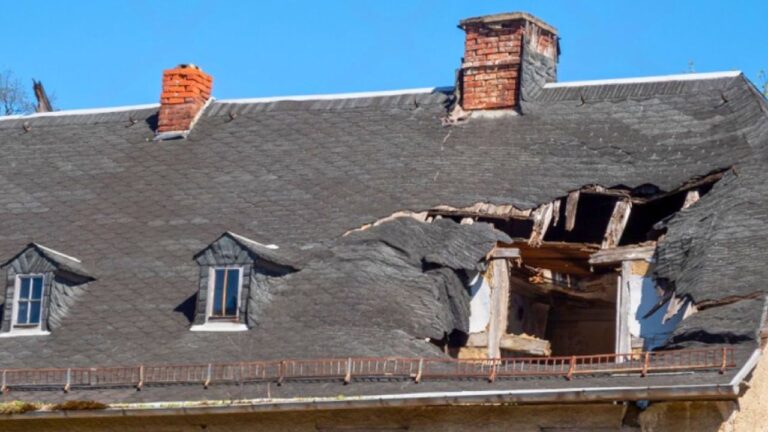
A bad Texas storm does not have to leave a tree in the living room to do real damage.
Sometimes the house looks fine from the street. The roof is still there. The windows are not broken. The fence may be leaning a little, but nothing looks like a disaster.
Then a few weeks later, a ceiling stain shows up.
Or the AC starts acting strange.
Or the floor near the back door feels soft.
Or the next heavy rain sends water somewhere it was never supposed to go.
That is the part of storm damage homeowners often miss. The expensive stuff is not always dramatic right away. It can hide in the attic, behind walls, under shingles, around windows, inside gutters, or along the foundation until enough time passes to make the repair bigger.
In Texas, where storms can bring hail, straight-line winds, lightning, flooding rain, and flying debris all in one evening, it pays to look beyond the obvious.
Start With Safety Before You Inspect Anything
Before walking around the property, make sure the storm is really over and the area is safe.
The National Weather Service warns people not to go near downed power lines and to be careful when handling debris after high winds.
That sounds basic, but after storms, yards can be full of hazards: broken glass, exposed nails, sharp metal, damaged tree limbs, loose fencing, and electrical dangers.
If there are downed power lines, stay away and call the proper authorities. If a large tree limb is hanging overhead, do not stand under it trying to figure out what to do. If water is inside the house near outlets or electrical equipment, do not treat that like a normal cleanup job.
A homeowner should inspect what can be checked safely. Everything else can wait for the right professional.
Hidden Roof Damage
The roof is one of the first places homeowners look after a storm, but it is also one of the easiest places to miss damage.
A missing shingle is obvious. A lifted shingle is not. A bruised shingle from hail may not be visible from the ground. Loose flashing around a chimney, vent, or wall may not look like much, but it can let water in during the next storm.
The Texas Department of Insurance says homeowners should take photos and video of damage, make temporary repairs to prevent more damage, save receipts, and avoid making permanent repairs before the insurance adjuster sees the damage.
That advice matters with roofs because storm damage can get worse fast if rain keeps finding the same weak spot.
After a storm, homeowners should look from the ground for missing shingles, lifted shingles, dented vents, bent flashing, damaged gutters, roof debris, or granules collecting near downspouts. None of that proves the roof needs replacing, but it does mean the roof deserves a closer look.
Do not climb onto a wet or damaged roof. That is how a repair problem turns into an emergency room problem.
Attic Leaks That Do Not Show Up on the Ceiling Yet
One of the sneakiest places storm damage hides is the attic.
Water can enter through a damaged roof vent, loose flashing, a lifted shingle, or a small opening around a roof penetration. It may soak insulation or run down roof decking before it ever makes a stain on the ceiling.
By the time a homeowner notices a brown spot in the living room, the leak may have been there through several rains.
If it is safe to do so, check the attic with a flashlight after a major storm. Look for wet insulation, dark streaks on wood, damp rafters, daylight coming through, dripping water, or musty smells. Pay close attention around vents, chimneys, skylights, and roof valleys.
Do not step between ceiling joists. Do not crawl around if you are not sure where it is safe to place your weight. A quick look from the attic opening may be enough to spot trouble.
If something looks wet, document it and call someone qualified.
Gutter Problems That Lead to Foundation Trouble
Gutters may not seem like a big deal after a storm, but they can quietly create expensive problems.
If gutters are clogged, sagging, dented, or pulled away from the house, water may not move where it should. Downspouts may also come loose or start dumping water too close to the foundation.
In Texas, that matters because soil moisture around the foundation can affect how the ground moves. Too much water in one area and dry soil in another can contribute to uneven movement over time.
After a storm, check the gutters from the ground. Look for overflow marks, sagging sections, loose brackets, disconnected downspouts, and piles of leaves or roof granules. Then check where the water is going. If downspouts are sending water right against the slab, fix that quickly.
Water at the foundation may not look scary after one storm. Repeated over time, it can get expensive.
Water Around Windows and Doors
Wind-driven rain can find weak spots that normal rain never touches.
After a strong storm, check inside around windows and exterior doors. Look for damp trim, wet floors, swollen wood, bubbling paint, peeling caulk, or water stains below the sill.
Outside, look for cracked caulk, damaged weatherstripping, gaps around trim, loose siding, or places where water may have been forced behind the exterior finish.
This kind of damage is easy to dismiss because it may dry quickly. But if the same window leaks every time wind comes from a certain direction, that is not just “one of those things.” It is a problem.
Moisture around windows and doors can damage framing, drywall, flooring, and trim. It can also invite pests and mold if it stays damp.
Siding and Trim Damage
Not every Texas home has the same exterior, but every exterior has weak points.
After hail or high wind, check siding, fascia boards, soffits, trim, vents, and exterior corners. Look for cracks, holes, dents, loose panels, missing paint, separated joints, or pieces that shifted out of place.
Hail may leave small marks that do not look serious at first. Wind can loosen trim without ripping it off completely. Flying debris can chip paint or crack siding just enough to let water in later.
That is what makes this damage expensive. It does not always fail immediately. It slowly lets weather reach places that should stay protected.
A little exterior gap in May can become a rot problem by fall.
Fence Damage That Weakens Over Time
A fence does not have to fall over to be damaged.
High winds can loosen posts, shift panels, bend gates, pull nails, crack pickets, and weaken older wood. Hail can leave impact marks, chips, and splintering. A fence may still stand after the storm, but the next round of wind could finish it off.
Walk the fence line and look closely. Check posts, gates, hinges, latches, rails, and panels. If a post moves easily when pushed, or a gate suddenly will not close right, the storm may have shifted something.
This is also a good time to check for debris leaning against the fence. Wet branches and heavy limbs can add strain over time.
Fence repairs are usually cheaper before the whole section goes down.
HVAC Damage Homeowners May Not Notice
The outdoor AC unit can take a beating during a Texas storm.
Hail can dent the condenser fins. Wind can blow leaves, branches, and debris into the unit. Flooding rain can leave mud or standing water around the pad. Lightning and power surges can damage electrical components.
Sometimes the system still runs, so homeowners assume it is fine. But if airflow is restricted or parts are damaged, the AC may work harder than it should. That can mean higher bills, weaker cooling, and more wear during the hottest part of the year.
After a storm, check the outdoor unit without opening it. Look for dents, debris, standing water, odd noises, or anything that seems out of place. Keep vegetation and debris cleared away.
If the unit was hit hard by hail or exposed to flooding, call an HVAC professional before relying on it through another Texas summer.
Drainage Changes Around the Yard
Heavy rain can change a yard in one night.
Soil can wash out. Mulch can move. Drainage channels can clog. Low spots can form. Water that used to flow away from the house may suddenly start collecting near the slab.
After a storm, walk the yard and look for erosion, standing water, washed-out areas, mud against the foundation, clogged drains, and water lines on fences or walls.
This is especially important if you have French drains, surface drains, or swales. A drain that is clogged with leaves and mud may look fine until the next storm proves otherwise.
The problem is not just a messy yard. Poor drainage can affect landscaping, patios, walkways, fences, and the foundation.
Interior Moisture and Musty Smells
Sometimes your nose catches storm damage before your eyes do.
A musty smell after a storm can point to hidden moisture. It may be coming from a wet attic, damp carpet, water behind a wall, a crawl space, or a leak around a window.
Do not cover it up with air freshener and move on.
Check closets, corners, baseboards, under sinks, around exterior walls, and rooms below rooflines. Look for damp carpet, warped baseboards, bubbling paint, soft drywall, or unusual humidity.
FEMA recommends documenting damage with photos and videos, including structural and personal property inside and outside the home, before discarding damaged items. FEMA also recommends keeping receipts for repairs or replacement purchases. (fema.gov)
That documentation can matter if hidden damage turns into a claim.
Garage Doors and Openers
Garage doors are easy to overlook after storms unless they are obviously bent.
But high winds can affect tracks, panels, seals, springs, and openers. Water can also blow under the bottom seal, especially if the driveway slopes toward the garage.
After a storm, open and close the garage door and listen for grinding, scraping, shaking, or uneven movement. Check the bottom seal for damage. Look for water stains, wet boxes, or damp drywall inside the garage.
If the door looks crooked, do not keep forcing it. Garage door springs and cables are dangerous, and repairs should be handled by someone trained.
Electrical and Surge Damage
Lightning does not have to hit the house directly to cause trouble.
Power surges can damage electronics, appliances, HVAC equipment, garage door openers, irrigation controllers, and security systems. Sometimes damage is immediate. Sometimes equipment acts strange afterward.
After a storm with close lightning or power flickers, check major systems. If lights flicker repeatedly, outlets smell burnt, breakers trip, or appliances stop working, call an electrician.
Do not keep resetting breakers over and over. A breaker is trying to tell you something.
Why Documentation Matters
After a storm, homeowners often clean up too fast.
They throw away damaged materials, repair things before taking pictures, or forget to save receipts. That can make it harder to explain what happened later.
The Texas Department of Insurance recommends taking photos and video, not throwing anything away until the adjuster says to, making temporary repairs to prevent more damage, keeping a list of repairs, saving receipts, and not making permanent repairs before the adjuster sees the damage.
That is simple advice, but it is important.
Take wide photos. Take close-up photos. Take pictures from multiple angles. Photograph damaged items before moving them. Keep receipts for tarps, plywood, fans, cleanup supplies, service calls, and temporary repairs.
Even if you never file a claim, good records help.
Do Not Let a Clear Sky Fool You
Texas weather can turn rough and then pretty in the same afternoon.
That quick turnaround makes storm damage easy to underestimate. Once the driveway dries and the sun comes out, the whole thing feels over.
But the house may still be carrying the damage.
A lifted shingle does not fix itself. A clogged gutter does not clear itself. Wet insulation does not magically become harmless. A small leak around a window does not get better because the storm moved east.
The best time to catch hidden damage is before the next round of rain.
The Bottom Line for Texas Homeowners
The most expensive storm damage is not always the damage you see first.
It is the roof leak that starts in the attic. The gutter that dumps water by the foundation. The window seal that only leaks during wind-driven rain. The AC unit that keeps running but struggles after hail. The drainage problem that grows with every storm.
After bad weather, slow down and inspect what you can safely see. Take photos. Check inside and outside. Watch for moisture. Keep receipts. Call professionals when the damage is beyond a safe homeowner inspection.
In Texas, storms are part of the deal.
Missing the damage afterward does not have to be.

Grady Howard contributes coverage on Texas public-interest stories, household costs, transportation, weather-related concerns, safety alerts, and consumer topics.
His reporting is built around practical context — what changed, why it matters, and what readers should pay attention to next.