What Texas Homeowners Should Check After a Bad Thunderstorm
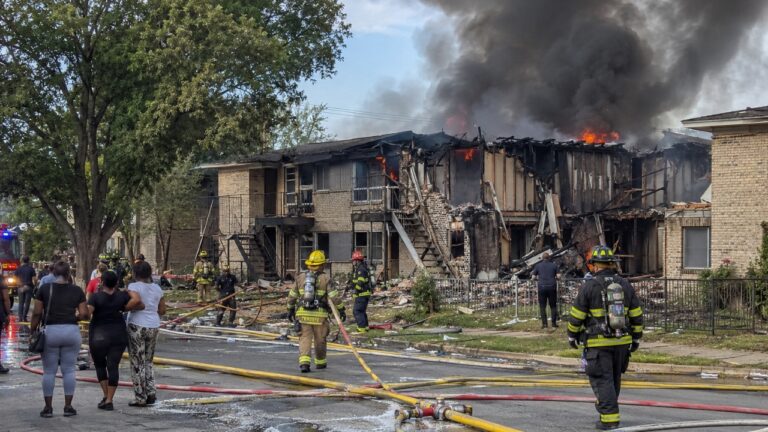
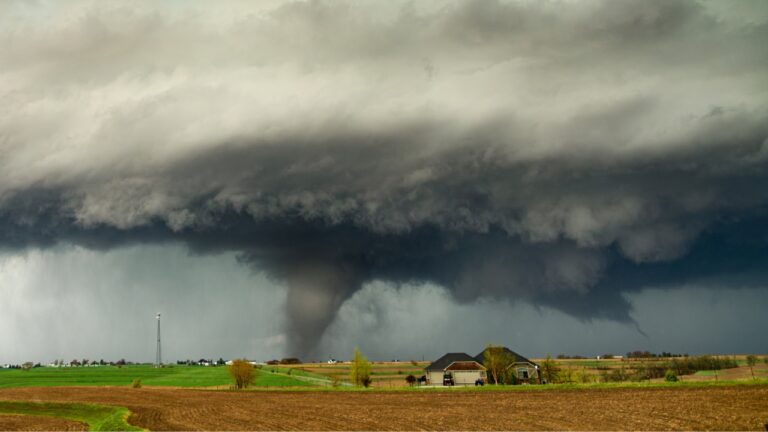
A strong Texas thunderstorm can roll in fast, shake the windows, drop hail, throw limbs across the yard, and leave just as quickly as it showed up.
Then the sun comes back out, the birds start making noise again, and it is tempting to think everything is fine.
Sometimes it is.
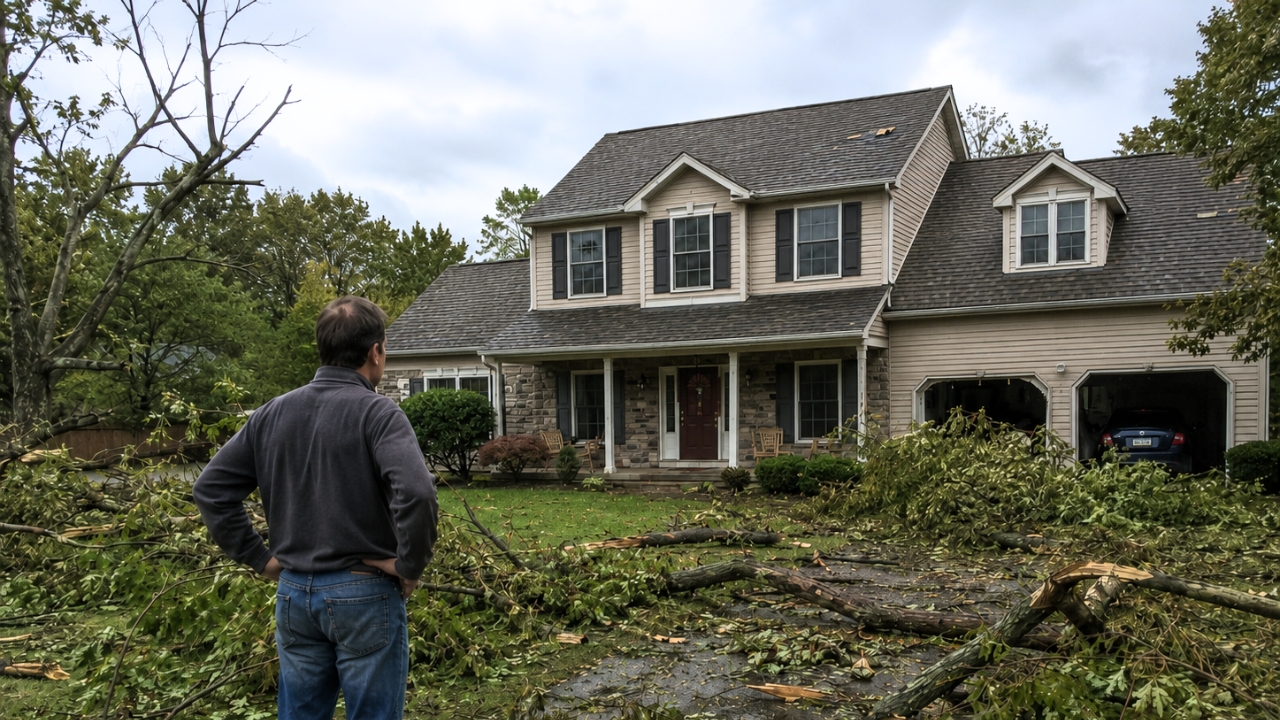
But after a bad storm, especially one with high winds, heavy rain, hail, or close lightning, it is worth taking a careful look around the house. You do not have to climb on the roof or act like an insurance adjuster. In fact, you should not put yourself in danger trying to inspect damage. But a calm walk-around can help you spot problems before they turn into expensive repairs.
The Texas Department of Insurance recommends homeowners take photos and video of storm damage, make temporary repairs to prevent more damage, save receipts, and avoid making permanent repairs before an insurance adjuster sees the damage. That is good advice after any serious Texas storm.
Start With Safety Before You Check Anything
Before you start looking at the house, look for danger.
That means downed power lines, broken limbs hanging in trees, damaged fencing, loose metal, broken glass, exposed nails, and anything that looks unstable. The National Weather Service warns people not to go near downed power lines and to be careful handling debris after high winds.
If lightning is still in the area, stay inside. The National Weather Service says people should wait 30 minutes after the last thunder or lightning before going back outside.
That may sound simple, but it matters. A house can be fixed. A person getting hurt in the yard after the storm is another problem entirely.
Once it is safe, put on sturdy shoes, long pants, and gloves if you are moving debris. Storm cleanup has a way of hiding sharp edges, nails, glass, and splintered branches.
Look at the Roof From the Ground
You do not need to climb a ladder to get a basic idea of whether the roof took a hit.
Walk far enough back from the house to see the roofline clearly. Look for missing shingles, lifted shingles, bent flashing, damaged vents, loose ridge caps, or tree limbs resting on the roof. If the storm included hail, also look around the yard and gutters for piles of shingle granules. Those little granules can look like coarse sand.
Texas weather can be rough on roofs, and the roof is one of the main places storm damage starts. The Texas Department of Insurance notes that homeowners policies may cover roof damage from a tree hitting the home during a storm and water damage from rain entering through storm-created roof damage, depending on the policy.
That last part is important: depending on the policy.
If you see obvious damage, take photos from the ground. Do not start ripping into things. Do not let a stranger talk you into signing something on the porch. Get the damage documented and contact your insurance company if it looks like a claim may be needed.
Check the Gutters and Downspouts
After a hard rain, gutters tell a story.
If they are sagging, pulled away from the fascia, dented by hail, overflowing with leaves, or disconnected from downspouts, water may not be moving where it needs to go. That can lead to water dumping right next to the foundation, which is not something you want in Texas.
Look at where the downspouts empty. If water is pouring straight against the slab or pooling near the house, that needs attention. Downspout extensions or splash blocks can help direct water away, but the larger goal is simple: do not let stormwater sit against the foundation.
Also check for debris packed into gutters after wind. Leaves, small branches, roof granules, and hail debris can clog things quickly.
Walk the Foundation Line
Texas homeowners should pay close attention to what is happening around the foundation, especially after heavy rain.
Walk around the house and look for standing water, washed-out soil, muddy low spots, erosion, or places where water appears to be flowing toward the home instead of away from it. If you already had gaps between the soil and foundation from dry weather, a heavy rain can change the area quickly.
The foundation does not need dramatic movement for trouble to begin. Small drainage problems can become bigger over time, especially in areas with clay soil that swells and shrinks with moisture changes.
If water sits against the house after every storm, that is not just a landscaping issue. That is a home maintenance issue.
Look Inside for Ceiling Stains and New Leaks
Some storm damage does not show itself outside first.
Go inside and check ceilings, walls, window trim, attic access areas, and rooms under roof valleys or roof penetrations. Look for new stains, bubbling paint, damp drywall, dripping water, or musty smells.
Pay special attention around fireplaces, skylights, vents, ceiling fans, and upstairs windows. Wind-driven rain can find small openings that normal rain misses.
If you see a water stain, take a picture right away. Even if it dries up later, that photo may matter if you need a contractor or insurance adjuster to understand what happened.
Do not ignore a small stain because it looks harmless. Water damage usually starts quietly.
Check Windows, Doors, and Exterior Seals
Strong wind can push rain into places where it normally would not go.
After a bad thunderstorm, check around windows and doors for moisture, especially on the windward side of the home. Look for wet sills, swollen trim, peeling paint, cracked caulk, or water on the floor near exterior doors.
Outside, check the caulking around windows, doors, hose bibs, light fixtures, siding joints, and places where pipes or wires enter the house. If the storm exposed an already weak seal, now is the time to catch it.
Texas sun is hard on caulk and exterior sealants. A storm may be what finally reveals a weak spot that has been forming for months.
Inspect Fences, Gates, and Outdoor Structures
Fences take a lot of abuse in Texas storms.
Walk the fence line and check for leaning posts, loose pickets, broken panels, gate damage, and sections that shifted in the wind. A fence may still be standing but weakened enough that the next storm finishes the job.
Also check sheds, pergolas, patio covers, carports, playsets, and detached garages. The Texas Department of Insurance notes that storm damage to fences and other structures not attached to the house may be covered under some homeowners policies.
Again, the details depend on the policy, so do not assume either way. Take pictures before you start hauling damaged pieces off.
Look at Trees Before the Next Wind Hits
After the storm passes, look up.
Broken branches do not always fall right away. Some get hung up in the canopy and come down later when the wind picks back up. Others may be cracked but still attached.
Look for split limbs, dangling branches, fresh cracks in trunks, trees leaning more than they did before, or limbs resting on power lines, fences, or the roof.
Do not try to cut large limbs over your head, near power lines, or on top of the house. That is professional territory. A chainsaw and a ladder can turn a bad storm into a bad day real quick.
Check the Attic If You Can Do It Safely
The attic can reveal roof leaks before they reach the ceiling.
If it is safe and easy to access, look inside with a flashlight. Check for wet insulation, dark water trails on roof decking, daylight showing through where it should not, damp rafters, or active dripping.
Do not step off the framing. Do not crawl around if you are unsure where it is safe to put your weight. And if the attic has electrical damage, standing water, or a strong smell of smoke or burning, get out and call a professional.
A quick attic look can be useful, but safety comes first.
Check Appliances and Electronics After Power Issues
Thunderstorms often bring power flickers, outages, and surges.
If the power went out or lightning hit nearby, check major appliances, garage door openers, HVAC equipment, irrigation controllers, routers, TVs, and security systems. Sometimes damage is obvious. Sometimes something just stops working a day later.
The National Weather Service warns that lightning can create electrical surges that damage equipment even some distance from the actual strike.
If you smell burning, see sparks, or notice unusual electrical behavior, do not keep testing things. Call an electrician.
Document Before You Clean Up Too Much
This is one of the biggest mistakes homeowners make.
They start cleaning, hauling, patching, and throwing damaged items away before documenting what happened. That can make an insurance claim harder.
The Texas Department of Insurance recommends taking pictures and video, keeping damaged items until the adjuster says otherwise, making temporary repairs to prevent more damage, saving receipts, and avoiding permanent repairs before the adjuster sees the damage.
FEMA also recommends taking photos and videos of damage inside and outside the home before discarding damaged items, and saving receipts for repairs or replacement purchases.
That does not mean you should let rain keep pouring in. Temporary repairs are different. Cover a broken window. Tarp a hole if it can be done safely. Remove standing water. Just document everything first and keep records.
Be Careful With Door-to-Door Storm Contractors
After a major Texas storm, contractors may start showing up fast.
Some are honest. Some are not.
The Office of Public Insurance Counsel advises homeowners to document damage, make only emergency repairs before the insurance company’s inspection, hire qualified and insured contractors, and keep records.
A good contractor should be willing to provide written estimates, insurance information, references, and time for you to review the agreement. Be cautious with anyone who pressures you to sign immediately, asks for full payment up front, or says they can “handle everything” with your insurance in a way that sounds too easy.
Storm damage is stressful enough without getting pulled into a bad repair deal.
A Simple Post-Storm Checklist
After a bad thunderstorm, Texas homeowners should check:
The roof from the ground.
The gutters and downspouts.
The foundation line and drainage.
Ceilings, walls, windows, and doors.
Fences, sheds, and outdoor structures.
Trees and large limbs.
The attic, if it is safe.
Appliances and electronics after power issues.
Photos, videos, receipts, and insurance paperwork.
You do not have to inspect everything like a professional. You just need to catch the warning signs early.
Texas storms are part of life here. The trick is not pretending they never happened once the sky clears. A careful walk-around after a bad one can save a homeowner a lot of money, trouble, and regret down the road.

Grady Howard contributes coverage on Texas public-interest stories, household costs, transportation, weather-related concerns, safety alerts, and consumer topics.
His reporting is built around practical context — what changed, why it matters, and what readers should pay attention to next.