Abbott Warns Texas Could Face an ‘Extraordinarily Challenging Summer’ as Flesh-Eating Parasite Spreads
Texas ranchers are facing the kind of threat most people hoped would stay in the history books.
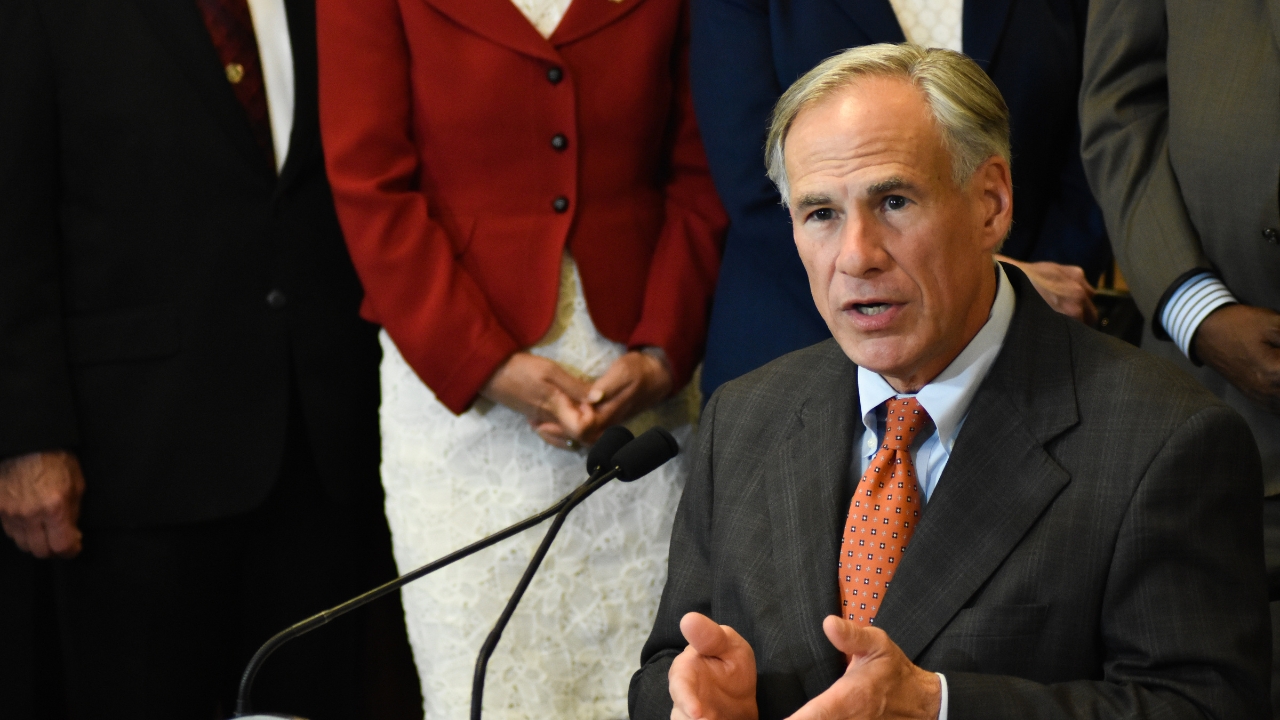
New World screwworm, a flesh-eating parasite that can attack livestock, pets, wildlife, and occasionally humans, has now been confirmed in Texas again. The situation has become serious enough that Gov. Greg Abbott expanded the state’s disaster response and warned that Texas could be facing an “extraordinarily challenging summer.”
For ranching families, veterinarians, livestock haulers, hunters, and rural communities, that is not just a dramatic phrase. It is a warning about a pest that can move fast, do real damage, and bring major economic consequences if it spreads.
Chron reported on Abbott’s warning and the state response here: https://www.chron.com/news/article/new-world-screwworm-texas-22292754.php
The first confirmed Texas case was reported in a calf in Zavala County, marking the first known detection in the state in decades. Then the concern grew. Reuters reported that the U.S. Department of Agriculture confirmed two additional New World screwworm cases in Texas on Monday, including one in a calf in La Salle County and another in a dog in Andrews County.
That detail matters because it moves the story beyond one isolated ranch concern.
A calf case is scary enough. But a confirmed case in a dog immediately gets the attention of pet owners too. New World screwworm is not only a cattle problem. The parasite can infest warm-blooded animals when flies lay eggs in open wounds or body openings. When those eggs hatch, the larvae feed on living tissue.
That is why the word “flesh-eating” keeps showing up in headlines.
It sounds sensational, but in this case, it describes the danger. Unlike many maggots that feed on dead tissue, New World screwworm larvae can burrow into healthy living flesh. Untreated infestations can become severe and even fatal.
Texas has dealt with this enemy before.
Decades ago, screwworm was a devastating problem for ranchers in the South and Southwest. The parasite was eventually pushed out of the United States through an aggressive eradication campaign that used sterile flies. The basic idea is to release huge numbers of sterile male flies so they mate with wild females but do not produce offspring. Over time, that can collapse the population.
Now, officials are trying to use that same tool again.
Abbott’s office announced that the state is deploying resources to combat New World screwworm after the confirmed detection in Texas. The governor’s office said the response includes coordination with federal and state agencies, surveillance, quarantine efforts, and other steps meant to protect livestock and wildlife.
Abbott also issued a disaster proclamation connected to the outbreak. That proclamation is posted here: https://gov.texas.gov/news/post/governor-abbott-issues-new-world-screwworm-disaster-proclamation-in-june-2026
The Texas Tribune reported that Abbott expanded the state disaster declaration after a second case was confirmed and that an outbreak could threaten the state’s cattle industry while potentially adding pressure to already high beef prices.
That is why this story reaches beyond rural Texas.
Texas is the largest cattle-producing state in the country. If ranchers have to deal with quarantines, livestock movement restrictions, animal losses, extra inspections, and higher treatment costs, the effects can ripple far beyond one county. Ranchers feel it first, but consumers may eventually feel it too.
For people who do not own livestock, the most practical concern is still worth paying attention to: animals with open wounds need to be watched closely.
The Texas Animal Health Commission has urged animal owners to monitor livestock and pets for signs of possible screwworm infestation and report suspicious cases. The agency’s New World
Possible warning signs can include irritated wounds, foul odors, visible larvae, head shaking, unusual behavior, or animals separating from the herd. Wounds around the ears, nose, navel, reproductive areas, or other openings can be especially concerning.
For ranchers, the challenge is the scale of the work.
Checking one dog is one thing. Checking a large cattle operation in Texas heat is another. Reuters reported that some ranchers are questioning whether the response is moving quickly enough and whether officials understand the practical reality of monitoring big herds across large acreage.
That frustration is easy to understand. Ranchers know that early detection matters. They also know that one missed case can become a much bigger problem.
At the same time, state and federal officials are trying to contain the outbreak before it becomes widespread. That means quarantines, investigations, sterile fly releases, traps, surveillance, and public warnings. It also means asking animal owners to report concerns quickly instead of waiting to see whether a wound gets worse.
This is not a food safety panic. Officials have repeatedly emphasized that the U.S. food supply remains safe. New World screwworm does not spread from person to person, and it is not the same kind of threat as a contagious livestock virus.
But it is still a serious animal health threat.
That is the balance Texans need to understand. There is no reason to act like every ranch, pet, or pasture is in immediate danger. There is also no reason to brush this off as just another bug story.
New World screwworm was once a nightmare for ranching states. Texas spent decades without confirmed cases. Now it is back in the conversation, and the response during these early days may determine how far the problem goes.
For rural Texas, that makes this summer feel different.
Ranchers will be watching wounds more closely. Veterinarians will be fielding worried calls. State officials will be trying to stay ahead of the spread. And pet owners, especially in affected areas, may be taking a second look at injuries they might have ignored before.
A flesh-eating parasite returning to Texas sounds like something out of an old ranching story.
Unfortunately, this week, it is real.
Grady Howard contributes coverage on Texas public-interest stories, household costs, transportation, weather-related concerns, safety alerts, and consumer topics.
His reporting is built around practical context — what changed, why it matters, and what readers should pay attention to next.