How to Tell If Your Texas Home Is Ready for Tornado Season
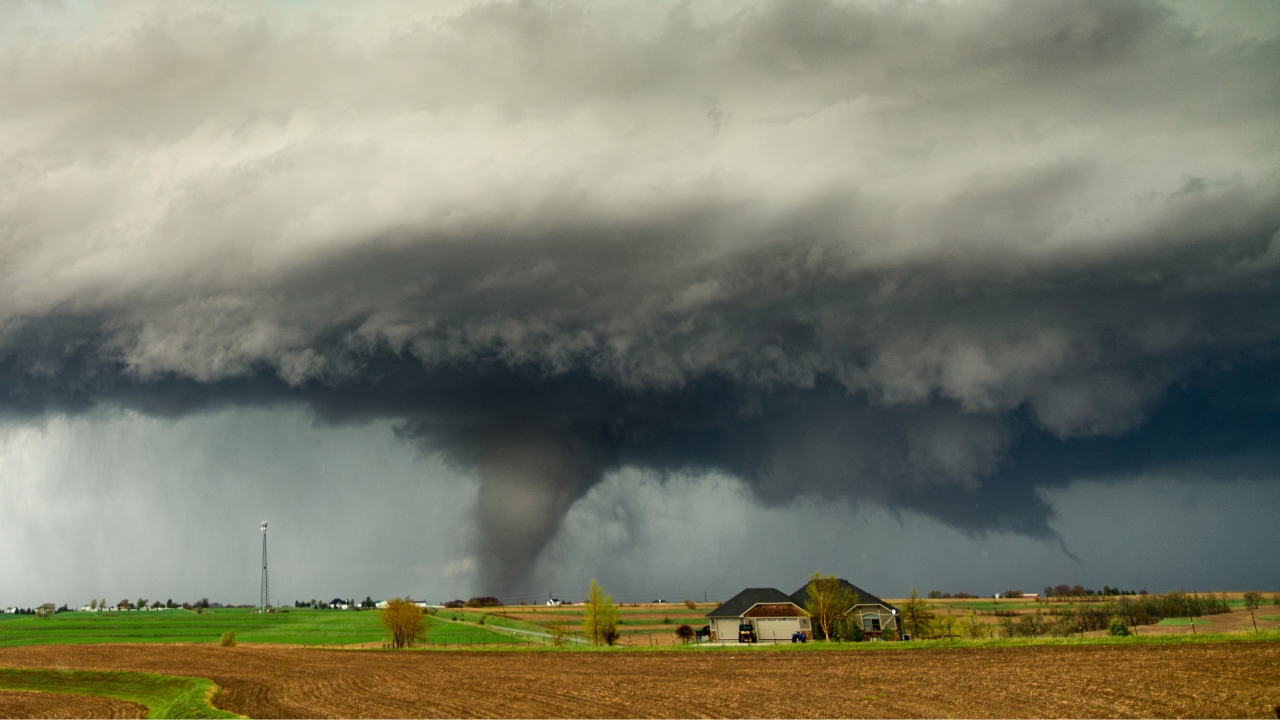
Photo credit: Jonah Lange/Shutterstock.com
Tornado season in Texas is not something you want to figure out at the last minute.
By the time the sky turns that strange color, the wind gets quiet, the alerts start going off, and everybody in the house is asking where to go, it is too late to start making a plan.
Texas weather can turn rough in a hurry. Depending on where you live, tornadoes may be part of spring storm season, early summer storms, fall severe weather, or those wild days when warm Gulf moisture and a strong front decide to meet right over your county.
The good news is that getting ready does not require panic. It requires preparation.
A Texas home may never be “tornado-proof,” but homeowners can do a lot to reduce risk, protect their families, and make sure they are not scrambling when a warning is issued.
Know Where Your Safe Place Is
The first question every Texas household should answer is simple: where do we go?
The National Weather Service says the safest place during a tornado is a basement or storm cellar. If you do not have one, go to a small interior room or hallway on the lowest floor of a sturdy building, away from windows.
That matters because most Texas homes do not have basements. So for a lot of families, the best available option may be an interior bathroom, closet, hallway, or small room near the center of the house.
The goal is to put as many walls between you and the outside as possible.
Do not pick a room with big windows. Do not plan to ride it out in the living room because that is where the TV is. Do not assume a garage is safe. Garage doors can fail under extreme wind, and once wind gets inside, the home can become more vulnerable.
Walk through the house before storm season and choose the safest spot. Then make sure everybody in the family knows it.
Make Sure You Can Get Alerts at Night
A lot of dangerous tornadoes happen after dark, and that is one of the scariest parts.
You cannot rely on seeing the storm coming. You may not hear outdoor sirens inside the house, especially if you are asleep, running a fan, or dealing with heavy rain and wind.
The National Weather Service recommends having multiple ways to receive warnings, including Wireless Emergency Alerts on your phone and a NOAA Weather Radio.
That is one of the most important tornado season steps a Texas family can take.
Make sure emergency alerts are turned on for every phone in the house. Keep phones charged when severe weather is possible. Consider a weather radio with battery backup, especially if you live in a rural area, have spotty cell service, or sleep through phone alerts.
Outdoor sirens are useful, but they are not meant to be your only warning system. They are mainly designed to alert people outdoors.
Inside your home, you need alerts that can wake you up.
Put Shoes Near Your Safe Spot
This sounds small until you have seen what storm debris looks like.
After a tornado or severe wind event, floors and yards can be covered with broken glass, nails, splintered wood, insulation, metal, and roofing materials. If your family has to leave the safe room afterward, bare feet are a bad idea.
Keep sturdy shoes near your safe place. Not flip-flops. Not house slippers. Real shoes.
If you have kids, keep shoes for them too. If you have a baby or toddler, think through how you would carry them safely. If you have pets, keep leashes or carriers nearby if possible.
A little preparation like that can make a hard situation safer.
Build a Small Tornado Kit
You do not need to turn your hallway closet into a bunker, but you should keep a few things close to your safe place.
Ready.gov recommends emergency supplies such as water, food, flashlight, first aid kit, extra batteries, whistle, dust mask, plastic sheeting, sanitation supplies, wrench or pliers, manual can opener, local maps, and a cell phone with chargers and backup battery.
For a tornado-safe spot, homeowners may want a smaller grab-and-go version that includes:
Flashlights.
Extra batteries.
Phone chargers or a power bank.
A basic first aid kit.
A weather radio.
Bottled water.
A whistle.
Work gloves.
Copies of important documents or digital backups.
A leash or carrier for pets.
A helmet, especially for children, if one is available.
The helmet idea is not about being dramatic. Tornado injuries often involve flying or falling debris. If you have bike helmets or sports helmets nearby, they may offer extra protection.
The key is keeping the kit where you can reach it quickly.
Check the Roof Before Storm Season
A weak roof is not something you want to discover during tornado-warned weather.
Tornado winds are extreme, and a direct hit can damage even a well-built home. But many Texas homes are also hit by strong straight-line winds, large hail, and flying debris during the same storm systems that produce tornadoes.
Before severe weather season, look at the roof from the ground. Check for missing shingles, lifted shingles, damaged vents, loose flashing, sagging gutters, and tree limbs touching the roof.
The Texas Department of Insurance says the roof is a home’s first line of defense against severe weather and that Texas weather can be especially rough on roofs.
If something looks off, have it inspected before storms arrive. A small roof problem can become a water damage problem fast when high winds and heavy rain show up together.
Clear Loose Items Around the Yard
Before severe weather, look around the yard and ask a blunt question: what could become a projectile?
Patio chairs, umbrellas, toys, grills, trash cans, garden tools, potted plants, ladders, and loose decorations can all become dangerous in high wind.
The National Weather Service says high winds can turn unsecured objects into hazards and recommends securing outdoor items when damaging winds are expected.
In Texas, this is not just a tornado issue. Severe thunderstorms can produce damaging straight-line winds that cause plenty of destruction without a tornado ever touching down.
If storms are in the forecast, bring loose items inside or secure them. Do not wait until the warning is issued. By then, the wind may already be too strong to safely move things.
Trim Dangerous Tree Limbs
Trees are wonderful until storm season turns weak limbs into roof damage.
Before tornado season, walk the property and look for dead limbs, branches hanging over the roof, split trunks, leaning trees, or limbs close to power lines.
Do not try to trim large limbs yourself if they are over the house, near electrical lines, or too high to reach safely. That is a job for a professional.
Even if a tornado never hits, strong thunderstorm winds can snap branches and throw them into roofs, fences, vehicles, and windows.
A little tree maintenance before storm season can prevent a lot of cleanup later.
Know How Your Garage Door Could Affect the House
Garage doors are often one of the weaker points in a home during high wind.
If a garage door fails, wind can enter the garage and put pressure on the structure. Homeowners in high-wind areas may want to ask a qualified garage door professional whether their door is properly braced or rated for local wind conditions.
This is especially worth thinking about if the door is old, damaged, lightweight, or already struggles to open and close properly.
At minimum, make sure the garage door is maintained. Check for damaged panels, loose tracks, broken weather seals, and strange movement. Do not ignore a door that shakes, binds, or looks warped.
During a tornado warning, do not go into the garage to “check on things.” Get to your safe place.
Review Windows and Exterior Doors
Windows are dangerous during tornadoes because flying debris can break glass.
Homeowners should not stand near windows to watch a storm. That old idea about opening windows to equalize pressure is also bad advice. The National Weather Service says not to open windows during a tornado; instead, go immediately to a safe place.
Before storm season, check windows and exterior doors for damage, weak seals, broken locks, cracked glass, or loose trim. These repairs matter for everyday weather protection too, not just tornadoes.
If you live in an area that sees repeated severe wind events, you may also want to look into impact-resistant products or protective coverings, but the most important step during a warning is still getting away from windows.
Make a Family Communication Plan
A tornado warning is not the time to decide who grabs the dog, who gets the toddler, and who calls Grandma.
Talk through the plan before storm season.
Who gets the pets?
Where do the kids go?
What happens if someone is in the shower?
What if the power goes out?
What if the family is separated?
Where do you meet if the home is damaged?
Ready.gov recommends making a family emergency plan that covers how to receive alerts, where to shelter, how to communicate, and what to do if separated.
For Texas families, this can be a simple conversation at dinner. It does not have to be scary. Kids often do better when they know exactly what to do.
A plan can calm people down when the weather gets loud.
Know the Difference Between a Watch and a Warning
This one matters.
A tornado watch means conditions are favorable for tornadoes. Be ready. Pay attention. Keep phones charged. Know where your safe place is.
A tornado warning means a tornado has been spotted or indicated by radar. Take shelter immediately.
The National Weather Service explains that a warning means hazardous weather is occurring, imminent, or likely, while a watch means the risk has increased significantly but the exact timing or location is still uncertain.
In plain Texas terms: a watch means keep your boots by the door. A warning means get in the safe room now.
Do not wait to see the tornado. Do not walk outside to look. Do not rely on the sky looking scary. Some tornadoes are rain-wrapped and hard to see.
Think About a Safe Room or Storm Shelter
Not every homeowner can add a storm shelter, but it is worth considering if you live in a tornado-prone area, especially if your home has limited safe interior space.
FEMA provides guidance on residential safe rooms designed to provide near-absolute protection from extreme wind events when built to FEMA criteria. (fema.gov)
A safe room or storm shelter is a bigger investment, and it should be built or installed correctly. Homeowners should do careful research, ask about standards, and use qualified professionals.
For many families, the practical first step is simply identifying the safest available room and improving their readiness. But for others, especially in open areas or homes without strong interior shelter options, a properly built safe room may be worth exploring.
Review Your Insurance Before Storms Hit
Insurance paperwork is not exciting, but tornado season is a good reminder to review it.
Look at wind and hail coverage, deductibles, roof coverage, personal property coverage, and additional living expense coverage. Make sure you understand what your policy does and does not cover.
The Texas Department of Insurance recommends reviewing your policy, making a home inventory, and knowing what your deductible is before severe weather causes damage. (tdi.texas.gov)
Take updated photos or video of your home, vehicles, furniture, appliances, electronics, and major belongings. Store the records somewhere you can reach even if the house or computer is damaged.
You hope you never need that inventory. But if you do, you will be glad it exists.
Do a Practice Run
This may feel silly, but it helps.
Have everybody in the house go to the safe place once before tornado season. Time how long it takes. See if the space is cluttered. Make sure the door opens easily. Check whether the emergency kit is actually there.
If your safe place is a closet full of boxes, clear it enough for people to fit.
If your flashlight batteries are dead, replace them.
If the dog hides under the bed every time thunder hits, think through how you will handle that before the warning arrives.
A practice run does not have to be dramatic. It just needs to be real enough to expose problems.
The Bottom Line for Texas Homeowners
A Texas home cannot be guaranteed safe from every tornado. No honest person should tell you otherwise.
But a prepared household is in a much better position than one making decisions at the last second.
Know your safe place. Have multiple ways to get alerts. Keep shoes and basic supplies nearby. Clear loose yard items. Maintain the roof, trees, garage door, windows, and doors. Review insurance. Talk through the family plan.
Tornado season is not the time to rely on luck.
In Texas, we respect the weather, we prepare the best we can, and when the warning comes, we get to shelter fast.

Arlie Howard contributes coverage on consumer issues, family-focused stories, household concerns, scams, local cost-of-living topics, and real-life situations that affect Texas readers.
Her work focuses on explaining what happened clearly and helping readers understand the details that may matter most.