The Texas Home Maintenance Mistakes That Get Expensive Fast
Owning a home in Texas is a blessing, but it sure is not something you can put on autopilot.
Between the heat, hail, high winds, hard freezes, clay soil, heavy rain, and long dry spells, Texas homes take a beating from just about every direction. A small problem that might sit quietly for a while in another state can turn into a wallet-draining repair here if it gets ignored too long.
That does not mean homeowners need to panic over every little crack or creak. Houses settle. Weather happens. Things wear out. But there are a few maintenance mistakes Texas homeowners make again and again, and those are the ones that can get expensive fast.
Ignoring Gutters and Drainage
One of the easiest ways to protect a house is also one of the easiest chores to put off: keeping water moving away from the home.
When gutters are clogged, damaged, or missing, rainwater does not just disappear. It spills over the edges, pools near the foundation, washes out landscaping, and can eventually work its way into places it should never be. FEMA recommends cleaning gutters, downspouts, and drainage areas as part of protecting a home from flooding.
That matters in Texas because a lot of homes sit on soil that expands when wet and shrinks when dry. When water collects around one side of the house but not the other, the soil can move unevenly. Over time, that movement can show up as cracks in walls, sticking doors, uneven floors, or foundation trouble.
A homeowner does not have to be a drainage expert to spot the basics. After a hard rain, walk around the house and look for standing water near the slab, downspouts dumping water too close to the foundation, washed-out mulch, or soil pulling away from the home. Those are signs the water is not being managed well.
In Texas, water is either your friend or your problem. Around the foundation, it needs to be controlled.
Letting Small Roof Problems Sit Too Long
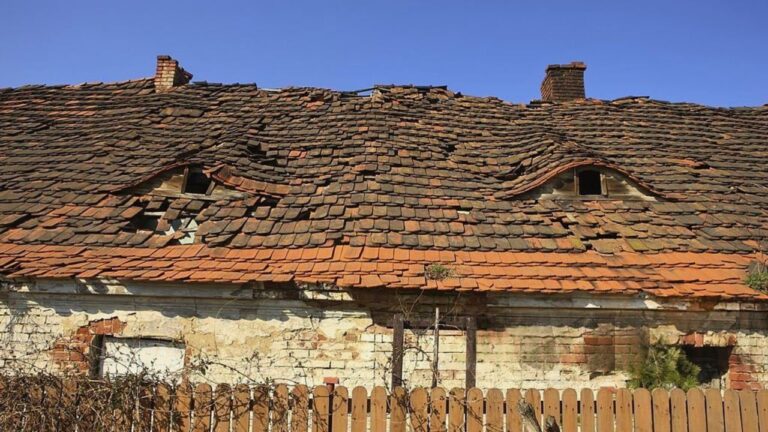
The roof is one of those things homeowners often ignore until water is dripping through the ceiling. By then, the problem has usually been there for a while.
Texas roofs deal with a lot: hail, high winds, extreme sun, falling branches, and sudden temperature changes. The Texas Department of Insurance says the roof is a home’s first line of defense against severe weather and notes that Texas weather can be especially rough on roofing.
A missing shingle may not look like a major issue from the ground, but it can expose the roof system underneath. A small leak around flashing, vents, or a chimney can quietly damage decking, insulation, drywall, and even electrical components if moisture keeps getting in.
After strong wind or hail, homeowners should look for obvious warning signs: shingles in the yard, loose flashing, dents on gutters, damaged roof vents, new ceiling stains, or granules collecting at the bottom of downspouts. Nobody needs to climb on a roof unless they can do it safely, but a ground-level inspection and a professional checkup after a major storm can prevent a lot of regret.
A roof problem is rarely cheaper after another season of Texas weather.
Forgetting About the Foundation During Dry Weather
A lot of Texas homeowners worry about heavy rain, but dry weather can be just as hard on a house.
During long hot stretches, soil can dry out and shrink. When that happens around a slab foundation, it can create movement. Then when rain finally comes back, that soil can swell again. That cycle of shrinking and swelling is part of why foundation maintenance matters so much in many parts of Texas.
The goal is not to flood the yard or soak the foundation. The goal is consistent moisture. Texas A&M AgriLife resources focus heavily on smart water management, drainage, and soil moisture because too much water and too little water can both create problems. (Rainwater Harvesting)
Homeowners should watch for wide gaps between the soil and the foundation, especially during summer. If the ground is pulling away from the slab, that can be a sign the soil is getting too dry. A soaker hose or drip line may help in some situations, but it should be used carefully and consistently. Overwatering one section of the house while another stays bone dry can make things worse.
When in doubt, it is worth asking a foundation professional or local extension resource what makes sense for the soil in your area. Texas is a big state, and what works in East Texas may not be the same answer for North Texas, Central Texas, or the Hill Country.
Putting Off Caulking and Exterior Sealing
Caulk is not exciting. Weatherstripping is not glamorous. But those small seals around windows, doors, siding gaps, and exterior penetrations can make a big difference.
When caulk cracks or pulls away, water and air can get inside. That can lead to higher energy bills, wood rot, pest problems, and moisture damage. In a Texas summer, poor sealing can also make an air conditioner work harder than it should.
This is one of those maintenance jobs that homeowners can usually inspect without much trouble. Walk around the house and look closely at window trim, door frames, hose bibs, exterior light fixtures, siding transitions, and anywhere pipes or wires enter the home. If the sealant is cracked, missing, or peeling away, it is probably time to address it.
Small gaps do not stay small forever. Sun, wind, and rain keep working on them.
Ignoring Trees Near the House
A mature shade tree can be a gift in Texas. It can cool a yard, help shade the roof, and make August feel a little more bearable.
But trees need attention too.
Branches hanging over the roof can scrape shingles, drop limbs during storms, and fill gutters with leaves. Roots can also become an issue depending on the tree, soil, and location. After a storm, damaged limbs may not fall right away, which makes them easy to overlook until the next round of wind comes through.
Homeowners should keep branches trimmed back from the roofline and watch for dead limbs, leaning trees, fungus near the base, or cracks in large branches. For big trees or anything close to the house, it is safer to call a qualified tree professional instead of trying to handle it with a ladder and a chainsaw.
That shade tree is wonderful. A limb through the roof is not.
Skipping HVAC Maintenance Before Summer
In Texas, the air conditioner is not a luxury. It is survival equipment.
Too many homeowners wait until the first real heat wave to find out their system is struggling. By then, HVAC companies are busy, parts may take longer to get, and the house is already uncomfortable.
Changing filters regularly, keeping the outdoor unit clear of debris, and scheduling seasonal service can help the system run more efficiently. It can also catch problems before they become breakdowns. A dirty filter alone can restrict airflow and make the system work harder than necessary.
Texas summers are hard enough without asking a neglected AC unit to carry the whole house through triple-digit heat.
Waiting Too Long After Storm Damage
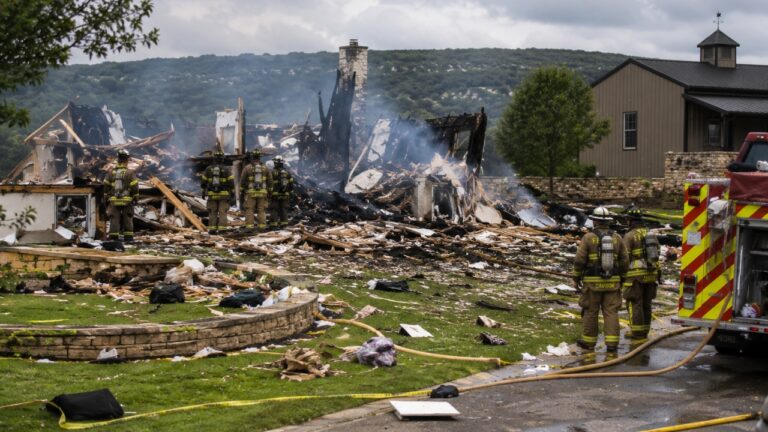
After a bad storm, it is tempting to walk outside, see that the house is still standing, and move on. But storm damage is not always obvious right away.
Hail may bruise shingles. Wind may loosen flashing. Water may enter an attic and not show up on the ceiling until later. FEMA recommends documenting damage with photos and saving repair receipts after a disaster or storm-related event.
The Texas Department of Insurance also warns homeowners to be careful with contractors after storms. Its storm fraud guidance says not to pay everything up front, to get everything in writing, and not to sign contracts with blanks.
That is good Texas advice. After a storm, homeowners should slow down, take pictures, call their insurance company if there may be a claim, and be careful with anyone knocking on the door promising a fast repair.
Good contractors do exist. So do storm chasers.
Not Knowing What Your Insurance Covers
A lot of homeowners do not read their insurance policy until something bad happens. That is understandable, but it can also lead to some unpleasant surprises.
Roof deductibles, wind and hail coverage, flood exclusions, cosmetic damage limits, and replacement cost rules can vary. Flood damage is usually handled separately from standard homeowners insurance, and many homeowners do not realize that until water is already in the house.
It is worth reviewing your policy before storm season, not after. Homeowners should know their deductible, how roof damage is handled, whether they have replacement cost coverage, and what steps they need to take after damage occurs.
A policy review may not be fun, but neither is finding out too late that you misunderstood your coverage.
Overlooking Small Plumbing Leaks
A slow drip under a sink may not feel urgent. A toilet that runs a little too often may seem like background noise. A tiny water stain may not look like much.
But water is patient.
Small plumbing leaks can damage cabinets, flooring, drywall, subfloors, and framing. They can also create conditions where mold can grow if moisture sticks around. After storms or water damage, property owners are often urged to act quickly because moisture problems can become bigger health and repair concerns if ignored. (Midland Reporter-Telegram)
Every now and then, homeowners should open cabinets under sinks, look around toilets, check around the water heater, and inspect ceilings below upstairs bathrooms. A flashlight and five minutes can catch a lot.
Water damage rarely gets cheaper with time.
Treating Maintenance Like an Emergency Instead of a Routine
The biggest mistake is waiting until everything is urgent.
A Texas home needs regular attention. Not constant worry. Not panic. Just steady care. Clean the gutters. Walk the property after storms. Watch the foundation. Trim the trees. Service the AC. Check the roof. Look for leaks. Keep water moving away from the house.
Most expensive repairs do not start big. They start as small things that were easy to ignore.
A little maintenance may not feel like much in the moment, but in Texas, it can be the difference between a simple weekend fix and a repair bill that ruins your month.

Arlie Howard contributes coverage on consumer issues, family-focused stories, household concerns, scams, local cost-of-living topics, and real-life situations that affect Texas readers.
Her work focuses on explaining what happened clearly and helping readers understand the details that may matter most.