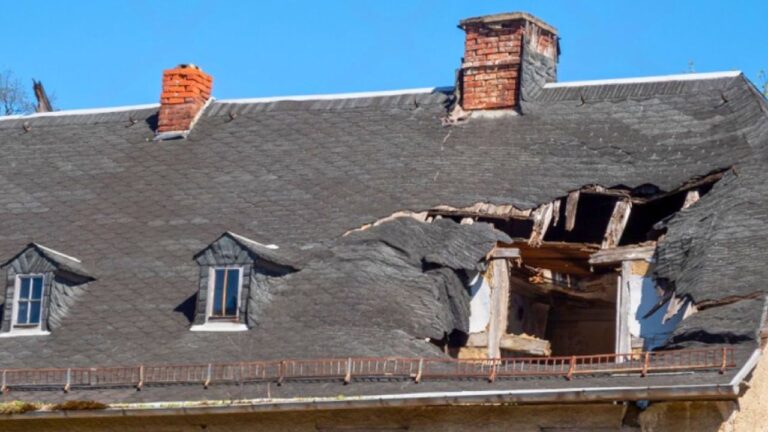
What Hail Damage Really Looks Like on a Texas Roof, Fence, and Gutters
Hail is one of those Texas weather problems that can fool you.
Sometimes it sounds like somebody dumped a bucket of rocks on the roof. Sometimes it comes down sideways with wind and rain so hard you can barely see across the street. Then, 20 minutes later, the sun is out and the neighborhood looks almost normal again.
That is where homeowners get into trouble.
Hail damage is not always obvious from the driveway. A roof can look fine from the ground and still have bruised shingles. Gutters can have dents that tell you the storm hit harder than you thought. A wood fence can look mostly upright but show impact marks all over the boards.
The National Severe Storms Laboratory says hail that is quarter-size, or 1 inch in diameter, is considered severe. Larger hail sizes can include ping-pong ball, golf ball, tennis ball, baseball, and even softball-size hail.
In Texas, that is not just weather trivia. That is the difference between a noisy storm and a storm that may have damaged your home.
Start With the Easy Signs on the Ground
Before you look at the roof, look at what is around you.
After a hailstorm, check patio furniture, grills, vehicles, mailboxes, trash cans, window screens, exterior light fixtures, and plants. If the hail shredded leaves, dented vehicles, cracked plastic, or knocked paint off metal surfaces, there is a good chance the house took some hits too.
That does not automatically mean the roof is ruined. But it does mean the storm had enough force to deserve a closer look.
Also pay attention to where the damage appears. Hail often hits harder on one side of the house depending on wind direction. One side of the fence, one slope of the roof, or one face of the gutters may show more damage than the rest.
That pattern can help a roofer or insurance adjuster understand what happened.
What Hail Damage Can Look Like on a Roof
Roof hail damage can be tricky because it does not always look like a hole.
On asphalt shingles, hail may leave dark spots, bruises, missing granules, circular impact marks, or areas that look shiny or bare. Sometimes the damage feels soft if touched by a trained inspector, almost like a bruise on fruit. From the ground, though, it may just look like a slightly darker patch.
That is why homeowners should not assume everything is fine just because no shingles are missing.
Texas roofs already work hard under extreme sun, high winds, and sudden storms. The Texas Department of Insurance says the roof is a home’s first line of defense against severe weather and notes that Texas weather can be especially rough on roofs.
Hail can knock protective granules off shingles. Those granules help shield the asphalt from sun exposure. When enough granules are knocked loose, the shingle can age faster and may become more vulnerable to leaks later.
Homeowners may also notice granules collecting in gutters, near downspouts, or on the driveway. Some granule loss is normal over time, especially on older roofs, but a sudden pile after hail is worth paying attention to.
Check Roof Vents, Flashing, and Metal Pieces
If you can see roof vents from the ground, take a look at them.
Metal vents, flashing, chimney caps, turbine vents, and drip edge can show hail dents more clearly than shingles do. Round dents on soft metal are often a good clue that hail hit the roof with force.
This matters because hail may damage more than the shingles. It can crack plastic vents, loosen seals, dent flashing, or create weak spots around roof penetrations. Those areas are common leak paths during the next heavy rain.
You do not need to climb up there to prove anything. Use binoculars, take photos from the yard, or call someone qualified to inspect it safely.
A roof is not a good place to learn the hard way that hail made the surface slick or unstable.
What Hail Damage Looks Like on Gutters
Gutters can tell on a hailstorm.
Look for small round dents on the front face of the gutters, especially on the side of the house that faced the storm. Check downspouts too. Aluminum gutters and downspouts can show impact marks clearly.
Also look for gutters that are loose, sagging, bent, or pulled away from the house. Hail often arrives with strong wind and heavy rain, and that combination can stress the whole drainage system.
A dented gutter may still move water, but it is worth checking whether seams opened, brackets loosened, or downspouts shifted. If gutters stop draining correctly, water can spill near the foundation or behind fascia boards.
In Texas, that is the kind of small problem that can create a bigger one. Poor drainage near the slab is not something homeowners should ignore.
What Hail Damage Looks Like on a Wood Fence
A wood fence can take a beating in a hailstorm.
On stained or older wood, hail may leave light-colored spots where the impact knocked away the weathered surface. On newer boards, it may leave dents, chips, splintered marks, or rough circular impact spots. The damage may show up more clearly on one side of the fence.
If the hail was large or wind-driven, look for cracked pickets, damaged caps, loose panels, and weakened posts. A fence may still be standing after the storm but be more fragile than it was before.
This is especially true if the fence was already aging, leaning, or weakened by rot. Hail and wind do not have to destroy a fence in one storm to shorten its life.
Walk the line slowly. Push gently on sections that look loose. Check gates, hinges, latches, and posts. If a section rocks more than it should, it may need repair before the next strong wind finishes the job.
Do Not Forget Siding, Windows, and Screens
Hail does not care whether it hits the roof, the siding, or the window screens.
After a storm, check siding for cracks, chips, dents, or holes. Look at window screens for tears. Check window trim for damage. Look for cracked glass, broken seals, damaged shutters, and impact marks on painted surfaces.
On brick homes, the brick itself may be fine, but trim, fascia, soffit, vents, gutters, and screens can still be damaged.
Also check outdoor AC units. Hail can dent the thin fins around the condenser. A few small dents may not stop the system, but heavy damage can affect airflow. If the unit looks beat up after a hailstorm, have an HVAC professional check it before the worst heat arrives.
Look Inside for Water Signs After the Next Rain
Hail damage may not leak right away.
That is one of the frustrating parts. A storm can bruise shingles or damage flashing, and the leak may not show up until the next hard rain. Sometimes water gets into the attic before it ever shows on the ceiling.
After hail, keep an eye on ceilings, closets, attic areas, and walls near fireplaces, vents, and skylights. Look for brown stains, bubbling paint, damp insulation, musty odors, or peeling texture.
If you see a stain, take photos and write down when you noticed it. Even if the spot dries, the record can help later.
Water damage has a way of hiding until it has already cost you money.
Take Photos Before Cleaning Up
After a hailstorm, the instinct is to start cleaning.
That is understandable. Nobody wants limbs, broken screens, dented patio items, and debris sitting around the house. But before you throw things away or make repairs, document the damage.
The Texas Department of Insurance recommends calling your insurance company to report damage, taking pictures and video, making temporary repairs to prevent more damage, saving receipts, and avoiding permanent repairs before the adjuster sees the damage.
FEMA also recommends taking photos and videos of damage inside and outside the home before discarding damaged items and keeping receipts for repairs or replacement purchases.
That does not mean you should let rain come in through a broken window. Temporary repairs are smart when they prevent more damage. Just take pictures first and keep receipts.
Know What Your Insurance May Require
Hail damage can be covered under many homeowners policies, but the details matter.
The Texas Department of Insurance says insurance companies should pay for hail damage if the homeowner has wind and hail coverage on the homeowners policy. It also recommends filing a claim quickly after hail or strong winds damage a home or car.
Homeowners should also know their deductible. Wind and hail deductibles can be different from other deductibles, and in Texas they may be a percentage of the home’s insured value rather than a flat amount.
That can surprise people.
Before storm season, it is worth reviewing the policy so you know what kind of roof coverage you have, what your deductible is, and whether your policy covers cosmetic damage, replacement cost, or actual cash value.
That is not the fun part of homeownership, but it matters when the hail starts falling.
Be Careful With Contractors After Hail
A big hailstorm can bring roofers into a neighborhood fast.
Some are good local contractors. Some are storm chasers. Homeowners should slow down and be careful before signing anything.
Get written estimates. Ask for proof of insurance. Check local references. Do not pay the full amount up front. Do not sign a contract with blanks. Be cautious with anyone who pressures you or says they can make the deductible disappear.
The Texas Department of Insurance warns homeowners not to sign contracts that give all insurance proceeds to a contractor, because that can leave the homeowner with little control over the work and payment.
A reputable contractor will give you time to think, read, and ask questions.
High-pressure sales and storm damage are a bad combination.
When to Call a Professional
Homeowners can safely check a lot from the ground, but roof hail damage often needs a trained inspection.
Call a professional if you see missing shingles, dents on vents or gutters, large amounts of granules, damaged flashing, cracked skylights, ceiling stains, or impact marks across the property. It is also smart to call if the hail was quarter-size or larger, especially if neighbors are finding damage too.
Do not climb onto the roof after a hailstorm. A damaged roof can be slippery, unstable, and dangerous. Let someone with the right equipment handle that.
The Bottom Line for Texas Homeowners
Hail damage is not always loud after the storm is over.
Sometimes it shows up as dented gutters, bruised shingles, chipped fence boards, torn screens, or granules near the downspouts. Sometimes the first real clue is a ceiling stain weeks later.
After a Texas hailstorm, take a slow look around. Check the roof from the ground. Look at gutters, fences, siding, screens, vents, and outdoor equipment. Take photos before cleaning up. Keep receipts. Review your insurance. And if something looks off, get it checked before the next storm turns a small problem into a larger repair.
In Texas, hail does not have to break a window to cost you money.

Grady Howard contributes coverage on Texas public-interest stories, household costs, transportation, weather-related concerns, safety alerts, and consumer topics.
His reporting is built around practical context — what changed, why it matters, and what readers should pay attention to next.