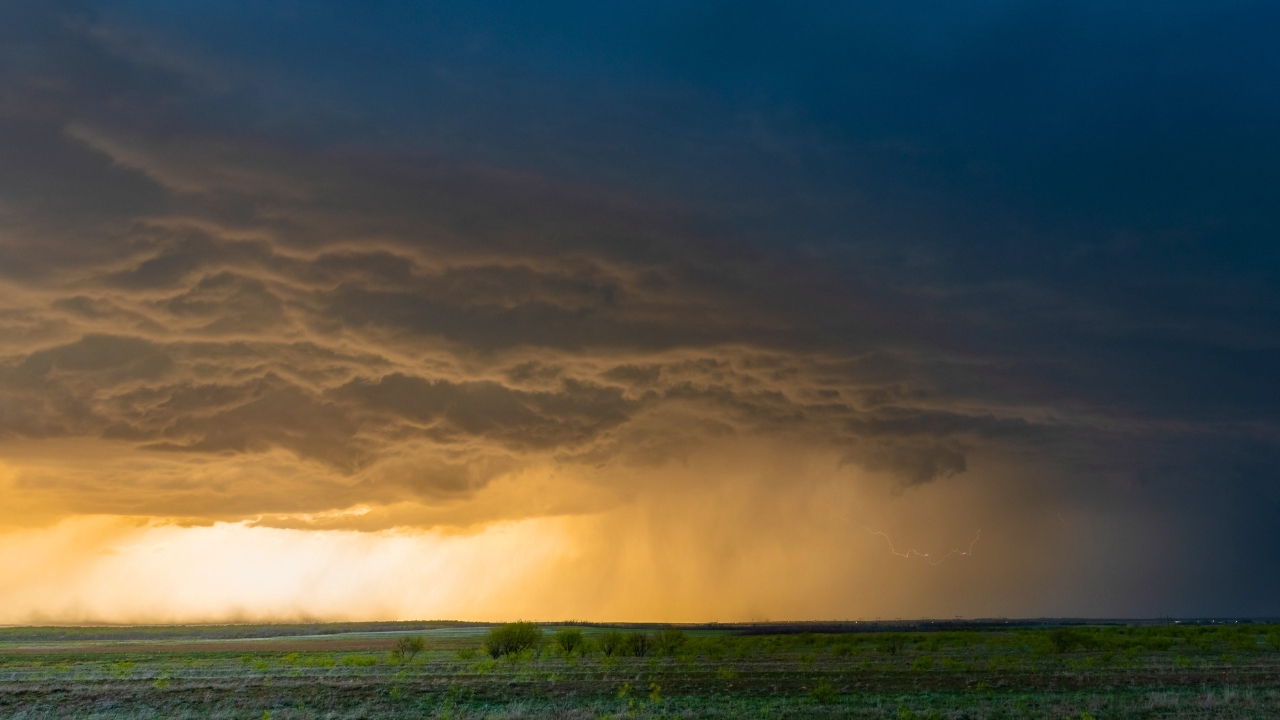
Why spring storms catch so many Texas drivers off guard
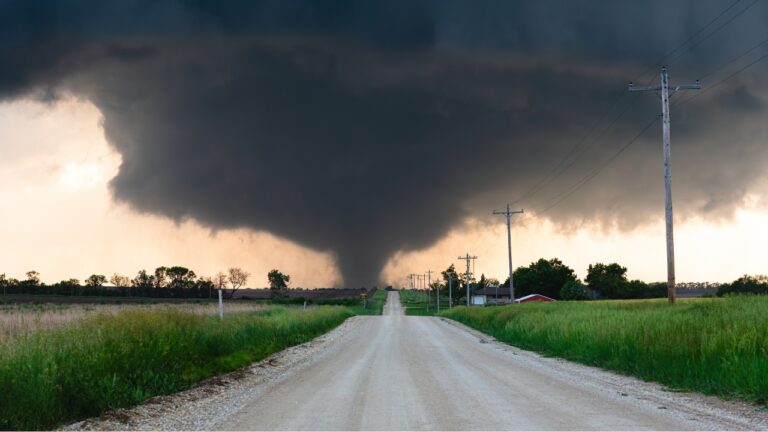
Spring weather in Texas can change fast enough to make a normal drive feel completely different by the time someone reaches the next county. One minute the sky looks cloudy but manageable, and the next minute drivers are dealing with heavy rain, wind, hail, standing water, and traffic that suddenly slows to a crawl. That quick shift is part of what makes spring storms so dangerous on Texas roads. Many drivers leave the house thinking they can beat the weather, only to find themselves stuck in the middle of it with limited visibility and nowhere easy to pull over.
The problem is not always that people ignore the forecast. Sometimes the forecast covers a large area, while the worst part of the storm hits one stretch of highway, one neighborhood, or one low-water crossing. That can make drivers underestimate the risk until they are already in it. In a state as large as Texas, spring storms do not have to be widespread to cause serious trouble. A narrow band of heavy rain or hail can still create wrecks, flash flooding, and long delays.
The sky can change before drivers react
Texas drivers are used to strange weather, but spring storms can still move faster than expected. A cloudy morning does not always feel urgent, especially when errands, school pickup, work commutes, and appointments are already on the schedule. By the time the sky turns dark or the wind starts pushing hard, many people are already on the road.
That delay matters. Heavy rain can cut visibility quickly, and sudden wind gusts can make high-profile vehicles harder to control. Drivers may also start making rushed decisions, like speeding up to get home, changing lanes too quickly, or trying to pass through a bad stretch before it gets worse. Those choices can turn a rough drive into a dangerous one.
Hail makes people panic
Hail is one of the biggest reasons spring storms catch Texas drivers off guard. People may feel comfortable driving through rain, but hail changes the mood fast. The sound alone can make drivers tense up, especially when it starts hitting the windshield, roof, and hood hard enough to make everyone in the car look around for shelter.
The danger comes when drivers suddenly stop under bridges or crowd beneath overpasses. That can block lanes and create a hazard for everyone behind them. It may feel safer in the moment, but stopping in traffic during a storm can lead to crashes, especially when visibility is poor. If hail is in the forecast, the better move is to delay the trip when possible instead of trying to outrun it.
Flooded roads can look harmless at first
Texas spring storms can drop a lot of rain in a short amount of time, and that is when familiar roads become risky. A dip in the road, a low bridge, or a drainage area can fill faster than drivers expect. The water may not look deep from inside the car, especially when other vehicles are still moving nearby.
That is what makes flooded roads so dangerous. Drivers often assume they can make it across because they have driven that same road for years. But moving water does not need to look dramatic to be powerful. Once a vehicle loses traction or starts floating, the driver has very little control. Any road with water covering it should be treated like a serious warning, not an inconvenience.
Rural roads can become dangerous quickly
Spring storms are not only a city traffic problem. Rural Texas roads can become dangerous in their own way. Long stretches without streetlights, deep ditches, soft shoulders, poor drainage, and limited cell service can make it harder for drivers to get help if something goes wrong. A road that feels normal in dry weather can become much harder to read during heavy rain.
Drivers in rural areas also have to watch for debris, fallen branches, livestock fencing damage, and washed-out gravel or dirt roads. Even paved farm-to-market roads can collect water in low spots. When storms hit after dark, those hazards get harder to see until the vehicle is already too close.
Wind is easier to underestimate than rain
Rain gets most of the attention, but wind can cause plenty of problems during Texas spring storms. Strong gusts can push vehicles across lanes, knock branches into the road, and send loose outdoor items tumbling into traffic. Trucks, trailers, SUVs, and campers can be especially difficult to handle when wind hits from the side.
Wind also affects visibility when it blows rain sideways or kicks up dust ahead of a storm. Drivers may not realize how much they are fighting the steering wheel until they pass an open stretch of road with no buildings, trees, or barriers nearby. Slowing down and giving other vehicles more space can help, especially near bridges, open fields, and highway overpasses.
Many drivers wait too long to change plans
One reason spring storms catch people off guard is that many Texans are used to pushing through bad weather. A quick errand still feels quick. A commute still feels necessary. A school event or appointment still feels hard to miss. But storms do not care how short the drive was supposed to be.
When severe weather is expected, drivers should make decisions earlier than they normally would. That can mean leaving sooner, waiting it out, taking a safer route, moving the car under covered parking before hail starts, or avoiding low-water crossings altogether. The worst time to decide a trip was not worth it is after the rain is already coming down sideways.
A few minutes of planning can make a big difference
Spring storms are part of life in Texas, but drivers do not have to treat every warning like background noise. Before heading out, it helps to check the radar, look at local alerts, charge the phone, and think through the route. Drivers should know where low spots are, avoid roads that commonly flood, and have a backup plan if the weather gets worse.
The safest choice is often the least dramatic one: wait. Most errands can be delayed. Most routes can be changed. Most storm-related driving problems happen because people try to squeeze in one more stop before the weather hits. In Texas spring, that small gamble can turn into a much bigger problem fast.

Abbie Clark founded The Texas Reader to give Texas readers a clearer, more practical place to follow the stories affecting their homes, wallets, families, and communities.
As founder and editor, she oversees the site’s editorial direction, sourcing standards, corrections process, and daily coverage priorities. Her focus is on stories that are useful, understandable, and connected to real life.