What Texas homeowners should check before the first 100-degree week hits
Texas heat has a way of making small home problems show themselves fast. An air conditioner that sounded a little rough in April can turn into an emergency call by June. A thin layer of attic insulation can turn into a utility bill that makes your stomach drop. Even things outside the house, like dry soil around the foundation or clogged gutters, can become bigger problems once the heat settles in and stays there.
The first 100-degree week is not the time to find out your home is already behind. By then, HVAC companies are busy, parts may take longer to get, and every hot afternoon puts more strain on the house. A quick check before the worst heat arrives can help homeowners catch the obvious issues early and avoid paying more later.
Start with the air conditioner
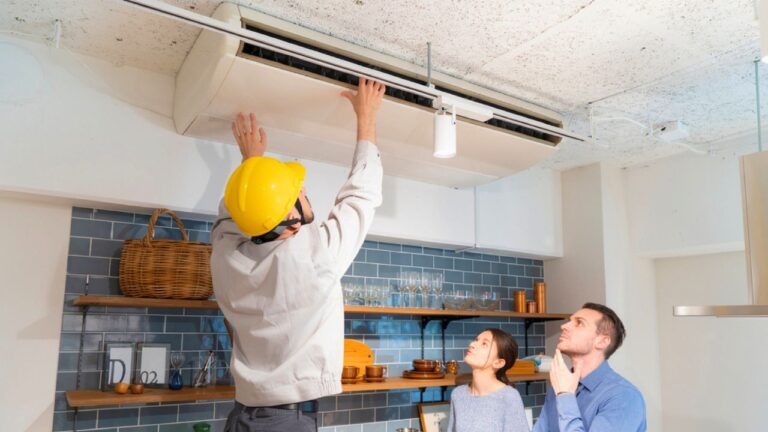
The air conditioner is the first thing most Texas homeowners think about, and for good reason. Once temperatures climb into triple digits, the system may run for hours at a time with very little break. If the filter is dirty, the outdoor unit is packed with grass clippings, or the refrigerant line looks damaged, the system has to work harder than it should.
Homeowners should replace the air filter, clear leaves and debris from around the outside unit, and make sure nothing is blocking airflow indoors. It is also worth listening for odd noises, checking whether rooms are cooling evenly, and paying attention to whether the system seems to run nonstop. A professional tuneup before peak heat can be easier to schedule than a repair call during the first major heat stretch.
Look at attic insulation and ventilation
A hot attic can make the rest of the house harder to cool. In many Texas homes, especially older ones, weak insulation and poor attic ventilation can let heat build up above the living space all day. That heat does not stay neatly in the attic. It pushes into ceilings and makes the air conditioner fight harder to keep rooms comfortable.
Homeowners do not have to become insulation experts to spot possible trouble. If the attic insulation looks thin, uneven, compacted, or pulled away in spots, it may not be doing enough. Attic vents should also be clear, not blocked by storage boxes or loose insulation. If upstairs rooms or west-facing bedrooms get noticeably hotter than the rest of the home, the attic may be part of the problem.
Check windows, doors, and sun-facing rooms
Windows and doors can leak cooled air and let hot air creep inside, especially when weatherstripping is cracked or worn out. This is usually easy to miss until the house starts feeling warm even though the air conditioner is running. A quick walk around the house can reveal gaps, damaged seals, or doors that no longer close tightly.
Sun-facing rooms deserve extra attention. In Texas, rooms that take direct afternoon sun can heat up quickly, especially with older windows or thin coverings. Homeowners can lower the strain by closing blinds during the hottest part of the day, using heavier curtains where needed, and sealing obvious gaps around windows and doors. These small fixes may not solve every cooling issue, but they can help keep the house from losing cooled air as quickly.
Watch the foundation and soil
Extreme heat can dry out soil fast, and that matters for many Texas homes. In parts of the state with clay-heavy soil, the ground can shrink when it dries, which may put stress on the foundation. Homeowners may notice cracks in interior walls, doors that stick, gaps near trim, or soil pulling away from the slab.
A steady watering routine around the foundation can help keep soil moisture more consistent, but the goal is not to flood the yard. Homeowners should avoid letting the ground swing from bone-dry to soaked. Soaker hoses may help in some areas, but they should be used carefully and consistently. Anyone seeing major cracks, sudden door problems, or visible foundation movement should get a professional opinion before the issue grows.
Do not ignore gutters, roofs, and outdoor drainage
It may seem strange to think about gutters before a heat wave, but Texas weather can move from dry heat to sudden storms quickly. Gutters packed with leaves and roof valleys full of debris can create problems when summer storms roll through. Water that cannot drain properly may back up, spill near the foundation, or damage fascia and siding.
Homeowners should check gutters, downspouts, roof edges, and low spots around the house before the hottest stretch of summer. Downspouts should move water away from the foundation, not dump it right beside the slab. Roof damage, missing shingles, loose flashing, and sagging gutters should be handled before storm season and extreme heat start working on the same weak spots.
Test ceiling fans, smoke alarms, and backup supplies
Ceiling fans do not cool a room, but they can make people feel more comfortable by moving air across the skin. Before the heat gets serious, homeowners should make sure fans are clean, working, and spinning the right direction for summer. In most cases, that means counterclockwise so air pushes downward.
This is also a good time to check smoke alarms, carbon monoxide alarms, flashlights, batteries, and backup phone chargers. Summer heat can bring power outages, especially during storms or heavy demand periods. Families should know where emergency supplies are and have a basic plan for keeping kids, older relatives, pets, and temperature-sensitive medications safe if the power goes out.
Prepare before everyone else is calling
The biggest mistake homeowners make is waiting until the first brutally hot week to start checking the house. By then, small issues can become expensive ones. HVAC appointments fill up, outdoor work gets harder, and the house is already under stress.
A little preparation does not make Texas summer easy, but it can make it less expensive and less chaotic. Before the first 100-degree week hits, homeowners should check the cooling system, attic, windows, foundation, drainage, and basic emergency supplies. Those are the areas most likely to cause trouble once the heat stops being a forecast and starts being an everyday problem.

Abbie Clark founded The Texas Reader to give Texas readers a clearer, more practical place to follow the stories affecting their homes, wallets, families, and communities.
As founder and editor, she oversees the site’s editorial direction, sourcing standards, corrections process, and daily coverage priorities. Her focus is on stories that are useful, understandable, and connected to real life.