Flesh-Eating Screwworm Found in South Texas Calf for First Time Since 1966
A parasite most Texans have only heard about in old ranching stories is suddenly back in the conversation.
Federal officials confirmed that New World screwworm was found in a calf in South Texas, marking the first confirmed Texas case since 1966. According to Reuters, U.S. Agriculture Secretary Brooke Rollins said the USDA believes it can contain the case and does not currently expect a wider infestation.
For ranchers, veterinarians, hunters, livestock owners, and even pet owners, this is the kind of news that gets attention fast.
New World screwworm is not just another fly problem. The pest lays eggs in open wounds or body openings of warm-blooded animals. When the larvae hatch, they burrow into living tissue. That is what makes the name so unsettling, and it is also why screwworm was such a serious livestock threat before it was pushed out of the United States decades ago.
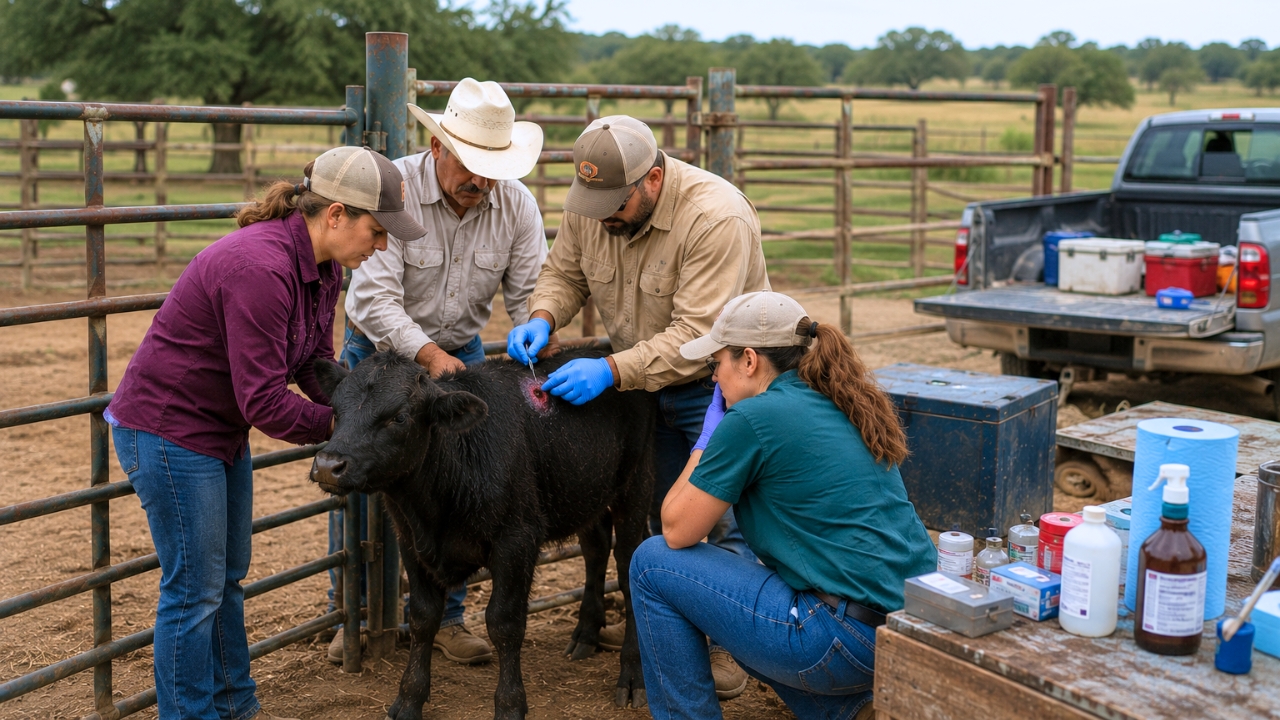
The USDA’s Animal and Plant Health Inspection Service confirmed the detection in a bovine in Zavala County, Texas, and said animal health officials were working quickly to protect livestock and wildlife.
That is the careful balance in this story. Officials are not saying Texas is facing a widespread outbreak right now. But they are also not treating it casually.
The Texas Parks and Wildlife Department also issued a release saying the New World screwworm was confirmed in a Zavala County calf. TPWD noted that livestock, pets, wildlife, and, less commonly, people can be affected.
The reason this story is spreading so quickly is obvious. Texas has a huge cattle industry, a massive rural economy, and countless families who raise livestock, horses, goats, sheep, dogs, and other animals that could be affected if the parasite were allowed to spread.
Texas A&M AgriLife said this is not a “crisis mode” moment, but it is a time for heightened awareness and coordinated response. The agency said the confirmed case involved a three-week-old calf in Zavala County and urged animal owners to know what to watch for.
That point matters because early detection is critical. A small wound, a sore that does not look right, or an animal that keeps licking, rubbing, or guarding one area may not seem like an emergency at first. But with screwworm, the damage can worsen quickly if larvae are present.
The Texas Animal Health Commission says suspected New World screwworm cases in livestock should be reported immediately.
For many Texans, the phrase “first confirmed case since 1966” is the part that hits hardest.
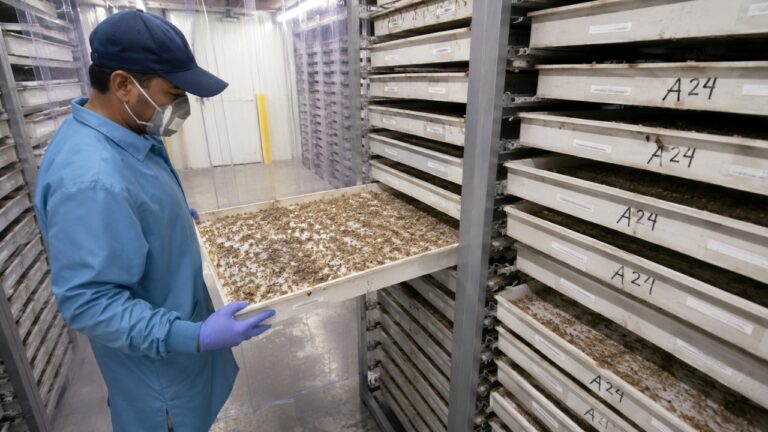
Screwworm was once a major problem in the United States. It took a large eradication effort, including the release of sterile flies, to finally push it out. That history is why even one confirmed case is enough to put officials, ranchers, and agricultural groups on alert.
This is also not happening in a vacuum. New World screwworm has been a growing concern in Mexico and Central America, and U.S. officials have been watching its movement closely. Reuters reported that the case has already put ranchers on alert and affected cattle markets, with concerns tied to the size and importance of the U.S. cattle industry. .
For now, the message from officials is not panic. It is vigilance.
Ranchers and animal owners should check wounds carefully, watch livestock and pets for unusual behavior, and report anything suspicious. The faster a possible case is caught, the better chance officials have of keeping the problem contained.
In a state where cattle, horses, wildlife, and rural life are woven into everyday identity, even one confirmed screwworm case is enough to make people pay attention.
And this time, it is not just an old story from Texas ranching history.
It is happening now.

Grady Howard contributes coverage on Texas public-interest stories, household costs, transportation, weather-related concerns, safety alerts, and consumer topics.
His reporting is built around practical context — what changed, why it matters, and what readers should pay attention to next.