The Sneaky Signs Snakes May Be Living in Your Texas Yard
A Texas yard can tell you a lot if you know what to look for.
Sometimes the warning signs are obvious. You walk outside and see a snake stretched across the driveway, tucked beside the porch, or slipping through the grass near the fence line. Other times, the clues are much quieter. A few odd holes near the foundation. A sudden increase in rodents. Shed snake skin near a woodpile. Tall grass that has gone a little too long between mowings.
In Texas, that matters.
Snakes are part of life here, especially during warmer months. Most of them are not looking for trouble, and many are actually helpful because they eat rats, mice, insects, and other pests. Texas A&M AgriLife has noted that Texas has around 75 snake species, with only about a dozen considered venomous, which is a good reminder that not every snake in the yard is a threat. Still, most homeowners understandably do not want to be surprised by one near the back door, inside the garage, or beside a flower bed where kids and pets play.
The good news is that snakes usually show up for simple reasons: food, water, shelter, or a safe place to stay hidden. If your yard is offering those things, it may become more inviting than you realize.
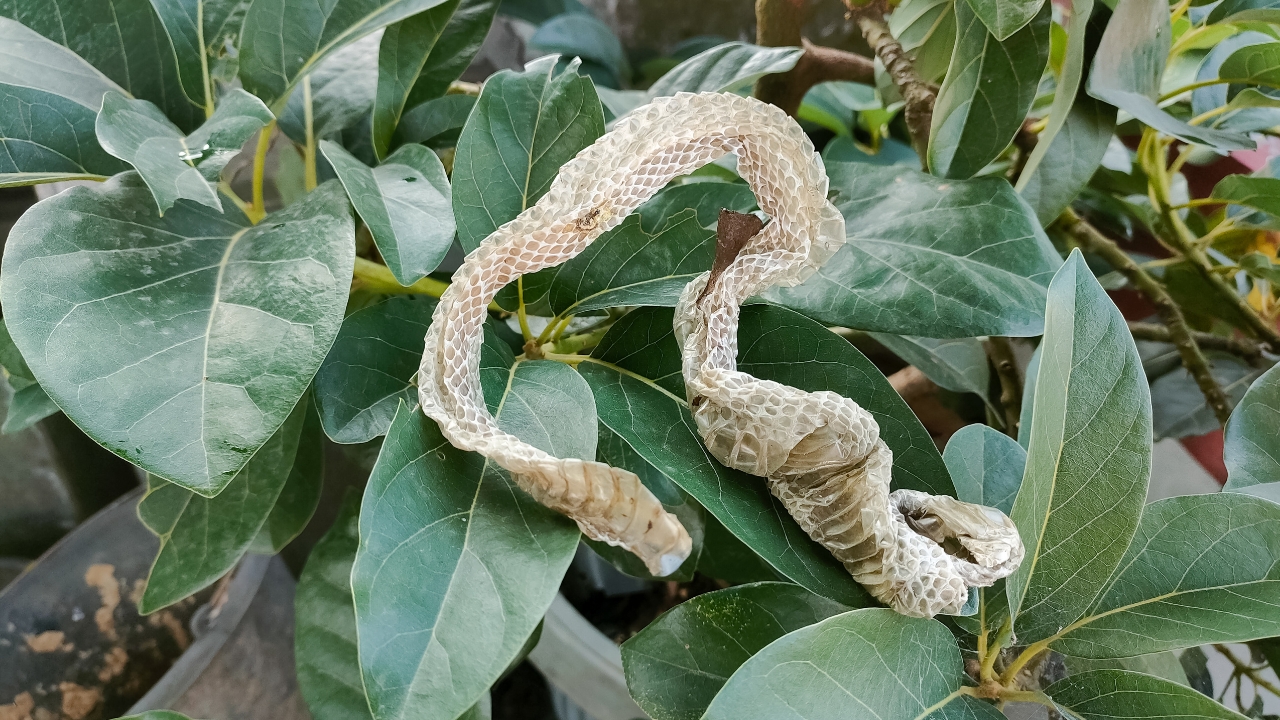
Shed Snake Skin Near the House
One of the clearest signs a snake has been nearby is shed skin.
Snakes shed their outer layer as they grow, and that old skin can turn up in places where they feel protected. You might find it near a fence, under patio furniture, beside a shed, around stacked firewood, or close to a crawl space.
A shed skin does not always mean a snake is still there at that exact moment, but it does mean one used that area recently enough to leave evidence behind. If you find shed skin in a high-traffic area, it is worth taking a closer look around the yard before reaching into corners, moving boards, or cleaning out clutter.
Rodents Are Showing Up More Often
Snakes follow food.
If you are seeing more mice, rats, or signs of rodent activity around your home, snakes may not be far behind. Rodents can be drawn to spilled birdseed, pet food, unsecured trash, compost piles, messy garages, and outdoor storage areas.
Texas Parks and Wildlife says brush, wood, rock, and debris piles can become hiding places for snakes and their prey, including rodents. That is one reason a rodent problem around the house should be handled early, before it draws in bigger wildlife problems.
That does not mean every mouse problem turns into a snake problem. But in Texas, a yard with plenty of hiding spots and plenty of prey can become attractive to snakes. Controlling rodents is one of the most practical ways to make your property less inviting.
Holes Around the Yard or Foundation
Snakes do not usually dig their own holes, but they will use holes that are already there.
Old rodent burrows, gaps under concrete, spaces beneath sheds, openings around tree roots, and cracks near a foundation can all provide shelter. If you notice holes around the yard, especially near areas with brush, tall grass, or debris, it is smart to treat them as possible hiding places.
Do not stick your hand into a hole to investigate. Texas Parks and Wildlife advises people to never put their hands where they cannot see them. That is one of those small decisions that can prevent a serious problem fast.
Tall Grass and Overgrown Edges
A clean, open yard is less appealing to snakes than a messy, overgrown one.
Tall grass gives snakes cover. So do weeds along fence lines, thick groundcover, low-hanging shrubs, and overgrown landscaping around porches or patios. A snake crossing a wide-open lawn is exposed. A snake moving through high grass or thick brush can stay hidden.
Texas Parks and Wildlife recommends keeping the lawn around your home trimmed low as part of basic venomous snake safety. That is why regular mowing and trimming matter in Texas. It is not just about curb appeal. It is also about reducing the places where snakes and the animals they eat can hide.
Woodpiles, Brush Piles, and Yard Clutter
A pile of firewood may look harmless, but to a snake, it can look like shelter.
The same goes for brush piles, stacked lumber, old boards, unused pots, tarps, bricks, rocks, and random clutter along the side of the house. These places can stay cool, dark, and protected, which makes them attractive not only to snakes but also to rodents and insects.
Texas A&M AgriLife says no chemical repellents have been proven to deter snakes, and the better approach is making the area around the home less inviting. That means removing shelter, reducing food sources, and keeping the yard maintained.
If you keep firewood, store it away from the house if possible and raise it off the ground. Clear out debris piles, especially near doors, garages, sheds, and play areas. The less shelter your yard provides, the less reason a snake has to linger.
Pets Acting Strange Around One Area
Dogs and cats often notice wildlife before people do.
If a pet keeps sniffing, barking, pawing, or staring at one specific spot in the yard, do not ignore it. That does not automatically mean there is a snake, but it does mean something may be hiding there.
Be careful with curious pets. Dogs, especially, can get too close before they understand the danger. If your pet is focused on a woodpile, bush, hole, or corner of the patio, call them away and inspect the area from a safe distance.
Snake Droppings Near Hiding Spots
Snake droppings are another possible clue, though many homeowners may not recognize them.
They can look somewhat like bird droppings because they may include a white, chalky-looking portion. You might find them near sheds, garages, rock borders, patios, or other sheltered areas.
By itself, one dropping may not tell the whole story. But if you notice droppings along with shed skin, rodent activity, or repeated pet interest in one spot, it is worth paying attention.
A Snake Has Already Been Seen Nearby
This may sound obvious, but it matters.
If you or a neighbor recently saw a snake near your fence, driveway, alley, drainage ditch, creek, pasture edge, or garden, your yard may be part of its normal travel route. Snakes do not understand property lines. They move where food, shelter, temperature, and safety lead them.
In many Texas neighborhoods, especially those near fields, wooded areas, creeks, greenbelts, lakes, or construction zones, occasional snake activity is not unusual.
What Texas Homeowners Should Do Next
The best response is not panic. It is prevention.
Keep grass trimmed. Remove brush and debris. Store firewood properly. Seal gaps around garages, sheds, crawl spaces, and foundations. Do not leave pet food outside. Keep trash secured. Watch for rodent activity and address it early.
When working outside, wear closed-toe shoes or boots, especially when moving items that have been sitting for a while. Use gloves when cleaning up brush or debris. The CDC’s National Institute for Occupational Safety and Health advises outdoor workers to avoid handling snakes, stay away from tall grass and leaf piles when possible, and wear boots, long pants, and gloves when working outdoors.
And if you do see a snake, give it room. Most snakes are not trying to chase people. They want to escape. Do not try to grab it, corner it, or kill it. That is when many bites happen. If the snake is inside the home, near a doorway, or in an area where children or pets could get close, call animal control or a trained wildlife removal professional.
Texas is snake country, and that is not necessarily a bad thing. Snakes play an important role in the environment. But around the house, a little awareness goes a long way.
A yard that is clean, trimmed, and less inviting to rodents is also less inviting to snakes. That is the kind of prevention every Texas homeowner can understand.

Grady Howard contributes coverage on Texas public-interest stories, household costs, transportation, weather-related concerns, safety alerts, and consumer topics.
His reporting is built around practical context — what changed, why it matters, and what readers should pay attention to next.