What Texas Homeowners Should Know Before Hiring Someone to Fix Storm Damage
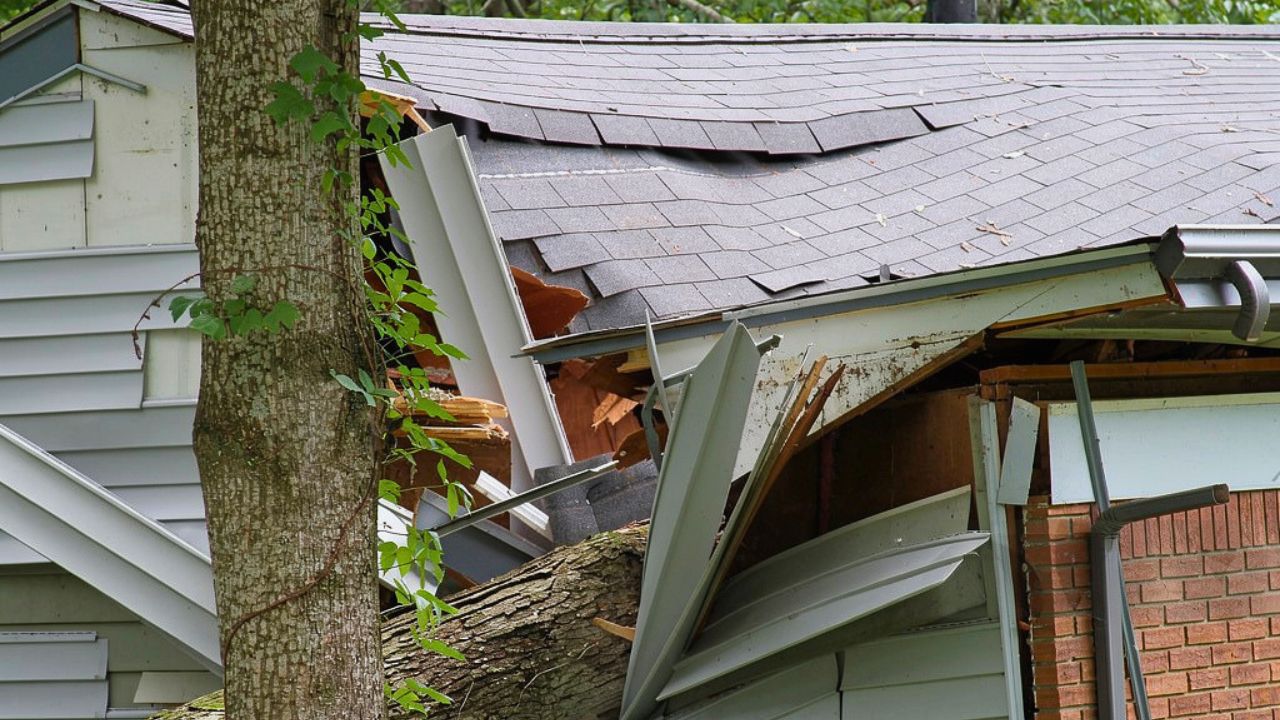
A Texas storm can turn a normal week into a yard full of shingles, limbs, busted fence panels, dented gutters, and neighbors swapping roofer names in the driveway. It happens fast. One evening of hail or straight-line wind, and suddenly half the block is trying to figure out who to call, what insurance covers, and whether that guy knocking on the door is legit.
That is when homeowners need to slow down, even though everything about the situation feels urgent. Storm damage creates pressure. Contractors get booked. Insurance adjusters get backed up. Water may be coming in. The fence may be down. And the longer the damage sits, the worse it can feel.
But rushing into the wrong repair agreement can cost more than the storm did.
The first knock at the door should not get the job automatically
After a big storm, contractors know exactly where the damage is. They can see the missing shingles, the tarped roofs, the dented garage doors, and the fence sections lying in the yard. Some of those door-to-door crews are perfectly legitimate. Some are not.
The Texas Attorney General’s Office warns Texans to watch for disaster scams after natural emergencies, including price gouging, fly-by-night door-to-door contractors, and bogus charities. That warning is not theoretical in this state. Storms bring out people who know homeowners are stressed and ready to say yes to almost anything that sounds like help.
A contractor knocking after a storm is not automatically a scammer. But the knock should be the start of the verification process, not the end of it. Ask for the company name, local address, insurance, written estimate, references, and time to review everything.
A real contractor should not hate basic questions
Good contractors get asked questions all the time. They should be able to explain what they see, what needs to be repaired, what can wait, what materials they plan to use, how long the job may take, and what the payment schedule looks like.
The ones to worry about are the ones who get irritated when you ask for details. If someone acts offended because you want the agreement in writing, proof of insurance, or a day to think it over, that tells you plenty.
Texas homeowners should be especially careful with anyone who says the price is only good “right now” or that they need a signature before they can even explain the job. Storm damage already creates enough pressure. A contractor should not be adding more just to get control of the repair.
Deductible promises are a major red flag
If there is one phrase Texas homeowners need to be careful with after storm damage, it is any version of “we can take care of your deductible.”
That can sound like a blessing when the deductible is thousands of dollars. But in Texas, contractors cannot waive, rebate, absorb, or otherwise help a property owner avoid paying an insurance deductible. The Texas Department of Insurance says contracts of $1,000 or more involving an insurance settlement must also include notice that the policyholder is responsible for paying the deductible.
A contractor who starts by promising a shortcut around the deductible is not doing you a favor. They may be setting up a problem with your insurance claim, the contract, or the quality of the work. If the deal depends on pretending the deductible does not exist, walk away.
The estimate needs to say more than “storm repair”
A vague estimate is not good enough when real money is involved. “Roof repair,” “fence work,” or “storm damage repair” does not tell the homeowner what is actually being done.
The estimate should spell out the work, materials, labor, cleanup, warranty, timeline, and payment terms. If it is a roof, it should say what sections are being repaired or replaced, what shingles or materials are being used, whether damaged decking is included, how cleanup works, and what happens if more damage is found after tear-off.
For a fence, it should say how many linear feet, what type of posts, what type of pickets, what height, whether gates are included, and whether old materials will be hauled away. The more specific the paperwork is now, the fewer arguments there should be later.
Licensed trades should be verified before money changes hands
Texas does not have one simple statewide license for every kind of general contractor, which can confuse homeowners. But some trades absolutely do have licensing rules. HVAC, electrical, and other regulated work should be checked before anyone starts.
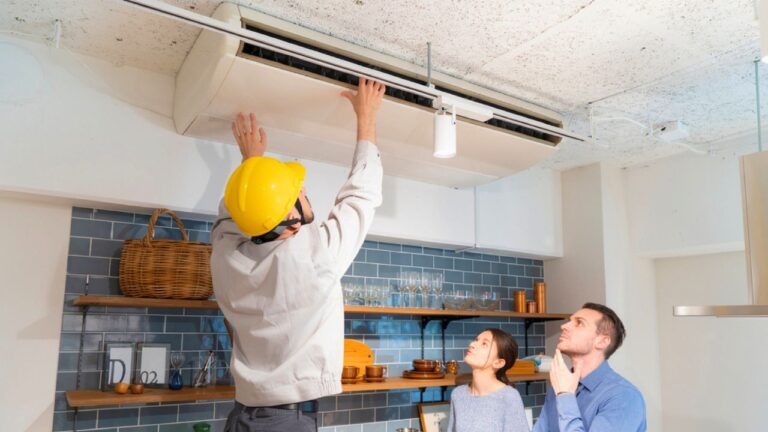
The Texas Department of Licensing and Regulation offers license search tools, and its air conditioning and refrigeration contractor page says contractors who install, repair, or maintain air conditioning, refrigeration, or heating systems must have a TDLR license.
That matters after storms because damage may involve more than shingles. AC units can take hail hits. Electrical work may be needed after water damage. If someone is doing regulated work, homeowners should verify that the person or company is properly licensed instead of taking their word for it.
Do not pay too much up front
A deposit may be normal for some repairs, especially when materials have to be ordered. But there is a big difference between a reasonable deposit and handing over most of the money before work starts.
A contractor asking for a large cash payment up front should make homeowners pause. So should anyone asking for payment before there is a signed contract, clear scope of work, and verified company information.
The Texas Attorney General’s home improvement scam guidance warns consumers to protect themselves before spending money on home repairs and to be familiar with common home improvement problems. That is the kind of boring advice that suddenly matters a whole lot when a storm has half the neighborhood calling the same five companies.
Use a payment method that leaves a record. Get a receipt. Make sure the company name on the payment matches the company doing the work. Do not pay cash just because someone says it is easier.
Temporary repairs are different from permanent work
If water is getting into the house, homeowners may need temporary repairs right away. Tarping a roof, covering a broken window, moving belongings, or stopping additional damage can make sense.
But temporary protection is not the same thing as rushing into permanent repairs before insurance has seen the damage. If a claim is involved, the insurance company may need photos, documentation, and an adjuster inspection. Homeowners should document everything before cleanup when it is safe to do so.
Take pictures of the roofline from the ground, damaged gutters, ceiling stains, broken windows, fence damage, outdoor equipment, and anything else affected. Save receipts for emergency supplies or temporary repairs. That paper trail matters if the claim gets complicated.
Local references are worth more after a storm
After storms, out-of-area companies may roll into town fast. Some are professional and do good work. Others disappear as soon as the work dries up.
That is why local references matter. Homeowners should ask where the company is based, how long it has worked in Texas, whether it has done recent jobs nearby, and whether past customers can be contacted.
A company with a real local presence should not struggle to show proof that it exists beyond this storm. Check reviews, but do not stop there. Look for patterns: unfinished work, missed calls, payment complaints, warranty problems, or jobs that dragged on after money changed hands.
Insurance and contractors have different roles
A contractor can inspect damage and provide an estimate. An insurance adjuster reviews the claim under the policy. Those are not the same job.
Homeowners should be careful when a contractor talks like they can guarantee what insurance will pay. The policy, deductible, coverage type, exclusions, and adjuster’s findings all matter. A contractor may have useful experience, but they do not get to rewrite the policy because they want the job.
Texas homeowners should talk directly with their insurance company, keep copies of all estimates, and avoid signing anything that gives away more control than they understand. If the paperwork says the contractor can negotiate, collect, or handle insurance money, read every word before signing.
A good contractor will not need panic to sell the job
Storm repairs are stressful, but the right contractor will make the process clearer, not more chaotic. They will explain the damage, put the estimate in writing, answer questions, verify insurance and licensing where needed, and give the homeowner time to understand the agreement.
The wrong contractor leans on fear. They say the roof will fail tomorrow, the insurance company will not pay unless you sign now, every other roofer is booked, or the deal disappears if you wait.
Texas homeowners already have enough to deal with after hail, wind, flooding, or falling limbs. The contractor you hire should lower the stress, not use it against you.
Before signing anything, verify the company, read the estimate, check the payment terms, understand the deductible, document the damage, and make sure the person doing the work is someone you can find again if the repair does not hold.