Why Dallas-Area Food and Festival Events Can Get Expensive Faster Than Families Expect
A Dallas-area festival can look affordable when families first make the plan. The event might be free to enter, or the ticket price may not seem too bad. Everyone gets excited about food trucks, live music, carnival rides, local vendors, games, kids’ activities, and a few hours outside the house. Then the day gets rolling, and the real total starts to show up.
Parking costs money. Drinks cost money. Kids want snacks. Ride tickets disappear fast. A “quick” meal from a food truck costs more than expected. Someone wants dessert. The event is hot, so everyone needs more water. If the family forgot sunscreen, wipes, a stroller fan, or cash for a vendor, that can turn into another stop or another purchase.
The problem is not that Dallas-area events are not worth doing. A lot of them are genuinely fun. The problem is that families often budget around the ticket price and forget the event itself is only one part of the cost.
Free admission does not mean a free day
A free event can still get expensive because the spending happens once the family is already there. Food, drinks, parking, vendor booths, games, face painting, bounce houses, rides, souvenirs, and tips can all add up quickly.
This is especially true with kids because every stop can turn into a small purchase. A lemonade here, a snow cone there, a craft booth, a balloon, a snack, and a game can make a free afternoon feel like a theme park bill by the time everyone gets back to the car.
Families do not have to skip those extras completely, but they should decide ahead of time what the day is supposed to cost. A simple per-child budget can help. If each kid gets one treat and one activity, everyone knows the deal before the first vendor row starts calling their name.
Parking can change the whole budget
Parking is one of the easiest costs to forget because it may not be listed in the event headline. Families may see “free admission” or buy tickets online, then realize parking is separate once they arrive.
Fair Park is a good example of why families should check before leaving. Fair Park Dallas says it has more than 14,000 parking spaces inside the park, plus nearby lots and street parking, but it also notes that parking rates and availability vary by event and visitors should check the event page for details.
That means one event may be easy to park for, while another may involve a fee, a long walk, rideshare costs, or a search through nearby streets. Families should look up parking before they go, not after they are already in traffic with kids asking if they are there yet.
Transit can save money, but it needs planning too
DART can be a good option for some Dallas events, especially when parking is expensive or traffic around the venue is rough. DART says free parking is available at its bus and rail station park-and-ride facilities, which can make it easier for families who want to park outside the event area and ride in.
That said, transit is not automatically easier for every family. Parents with strollers, toddlers, coolers, folding chairs, or late-night schedules need to think through timing, walking distance, transfers, and the ride home. If the event runs late and everyone is exhausted, the return trip matters just as much as getting there.
The best approach is to compare the full cost and stress of both options. Parking close may be worth it for one family. Transit may be better for another. The mistake is not checking either plan until the last minute.
Food truck meals can cost more than sit-down expectations
Food trucks and festival vendors are part of the fun, but they can surprise families who are used to thinking of them as casual or cheap. A meal, drink, and dessert for several people can add up fast, especially if each person wants something from a different vendor.
The line can make it worse. If everyone waits 25 minutes for food, parents may be more likely to buy whatever keeps the peace. Add heat, tired kids, and limited seating, and the spending gets easier to justify in the moment.
Families can save money by eating before the event, sharing larger items, bringing allowed snacks, or setting a food budget before they arrive. The goal is not to ruin the fun. It is to avoid turning a simple outing into a surprise dinner bill.
Drinks are where the heat gets expensive
At Texas outdoor events, drinks are not optional. Heat changes the budget because everyone needs more water than they would during a cooler indoor outing. If outside drinks are not allowed, families may be buying water, sports drinks, lemonade, tea, or sodas inside the event.
That can get expensive quickly. A few drinks per person over several hours can rival the cost of admission. Families should check the event’s outside food and drink policy ahead of time. Some events allow sealed water bottles, empty refillable bottles, or clear bags. Others have stricter rules.
The National Weather Service urges people to drink plenty of fluids during heat and avoid waiting until they are thirsty, because thirst can lag behind what the body needs. For families, that means water has to be part of the event plan, not a purchase made only when everyone is already hot and cranky.
Ride tickets and activity passes go fast
Carnival-style pricing can be tricky because families may buy tickets, coupons, or wristbands without fully realizing how quickly they will be used. One ride may take several tickets. A game may take more. Two kids can burn through a bundle in minutes.
The State Fair of Texas, for example, sells Food & Midway coupons for food, drinks, and rides, and its promotions often bundle admission with coupon packages. One listed FLEX Ticket 4-Pack Combo includes four one-day FLEX tickets and $50 in Food & Midway coupons.
That kind of package can be helpful if families plan ahead, but it also shows how quickly the event is built around more than the entry ticket. Admission gets people inside. Food, rides, and games are a separate budget.
Discounts help most when families plan ahead
A lot of large Texas events offer some kind of discount, but families often miss them because they decide to go at the last minute. Military discounts, student discounts, value days, weekday deals, transit promos, group tickets, early-bird pricing, and online-only offers can make a difference.
The State Fair of Texas has advertised Value Days on Tuesdays and Thursdays, with reduced online admission for Big Tex Insiders, along with other promotions tied to specific days or partners.
The catch is that discounts usually require planning. They may need a promo code, online purchase, certain day, eligibility proof, or advance timing. Families who show up at the gate may have fewer options.
Vendor booths can turn into impulse spending
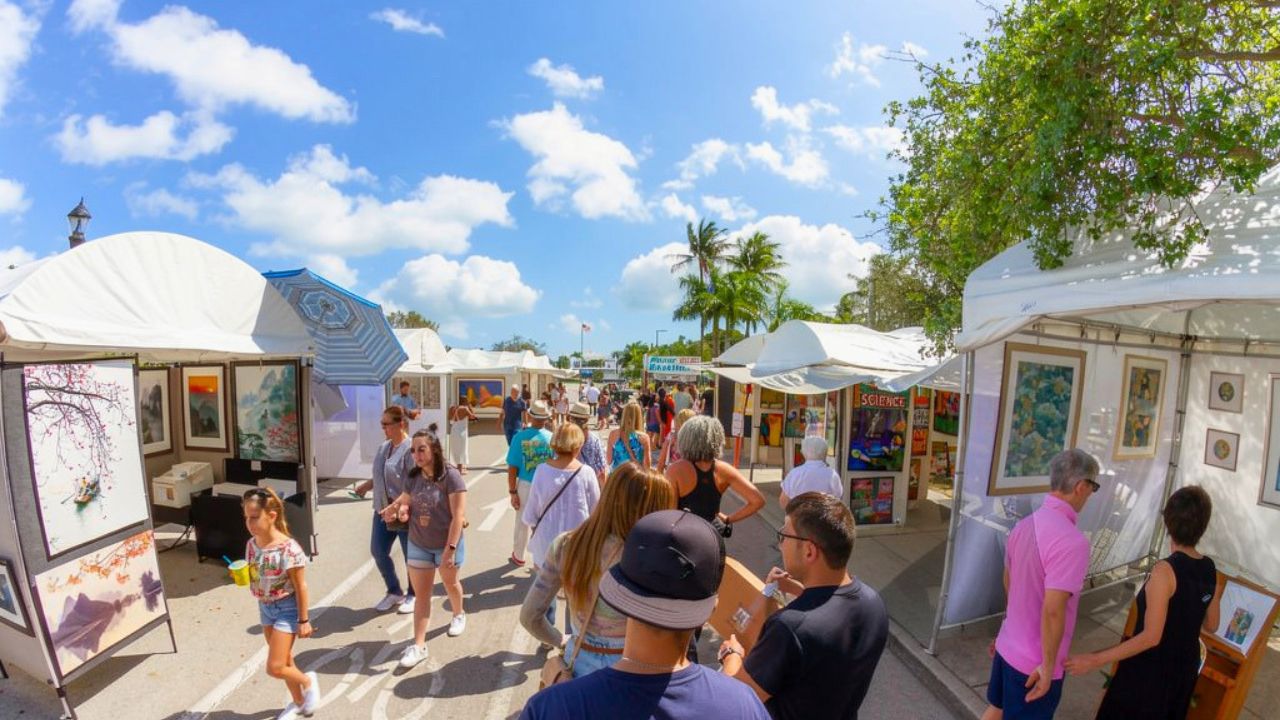
Local vendor markets are one of the best parts of festivals, but they are also built for impulse buying. Handmade jewelry, candles, shirts, toys, home decor, freeze-dried candy, boutique kids’ clothes, plants, barbecue sauce, tumblers, and art all feel more tempting when the family is already out having fun.
There is nothing wrong with buying from local vendors. The issue is when families do not budget for it and end up spending money they mentally set aside for food, gas, or the week ahead.
A simple fix is bringing a set amount for vendor shopping. Once that amount is gone, the shopping is done. It keeps the fun without letting every booth become a new decision.
Kids’ extras need their own line item
Family events usually advertise the big activities, but the smaller kid extras can cost more than parents expect. Face painting, balloon animals, pony rides, photo booths, bounce houses, glow toys, crafts, games, and small souvenirs are often priced individually.
Parents may say yes because each item seems small. The problem is repetition. One kid wants face paint. Another wants a glow stick. Then both want a game. Then one wants a snack because the other got one. The total grows one “little” purchase at a time.
Before arriving, parents can set clear expectations: one paid activity, one treat, or a specific amount each child can spend. It may not stop every complaint, but it gives parents something to point back to.
Cashless events can make spending feel less visible
Many events and vendors now rely on cards, apps, QR codes, wristbands, or digital wallets. That can be convenient, but it also makes spending easier to lose track of. Tapping a card several times does not feel the same as watching cash leave a wallet.
Families should check whether the event is cashless, whether vendors accept cards, and whether any service fees apply. It also helps to set a spending alert or keep a quick note on the phone with purchases as they happen.
The danger with cashless spending is not one big purchase. It is leaving the event and realizing there were 12 small charges that never felt like real money in the moment.
Weather can create extra costs
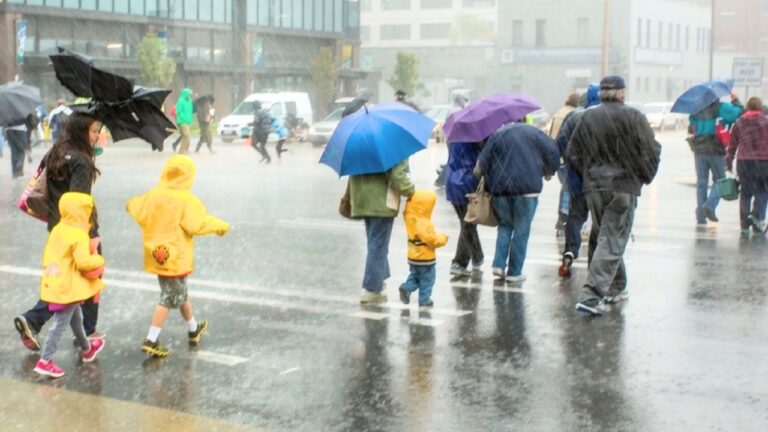
Texas weather can change a family event fast. Heat can mean extra drinks, cooling towels, fans, sunscreen, hats, or a shorter visit than planned. Rain can mean ponchos, parking delays, muddy shoes, or rideshare costs if walking back to the car becomes miserable.
Families heading to outdoor events should check the forecast, but they should also pack for what Texas usually does: heat, sun, wind, and sudden changes. Sunscreen, refillable water bottles if allowed, hats, wipes, portable fans, and a change of clothes for younger kids can prevent unnecessary purchases.
A little prep at home is almost always cheaper than buying emergency items at event prices.
The cheapest day may not be the easiest day
Discount days can save money, but they can also draw crowds. A cheaper ticket may come with longer lines, heavier parking demand, crowded food areas, and fewer places to sit. That does not mean discount days are bad. It just means families should know what they are trading.
Some families may prefer paying more for a less crowded time. Others may be happy to deal with crowds for the savings. The key is choosing based on the whole experience, not only the ticket price.
A day that saves $20 on admission but costs extra in parking, snacks, and stress may not feel like the deal families expected.
The best event budget starts before the car leaves
Dallas-area events can still be worth every penny. The food, music, vendors, games, and atmosphere are part of why families go. But the day feels better when the spending is intentional instead of surprising.
Before heading out, families should check admission, parking, transit options, food rules, water policy, ride costs, discounts, vendor shopping, and weather. Then set a rough total for the day and decide where the money should actually go.
A festival does not have to be cheap to be worth it. It just needs to be honest in the budget before everyone is hot, hungry, and standing in front of a $12 lemonade stand.