What Dallas-Area Families Should Know Before Heading to Big Outdoor Events in the Heat
A Dallas-area outdoor event can sound easy enough when the plan is made. A festival, concert, farmers market, food truck night, parade, baseball game, youth tournament, church event, graduation celebration, or downtown outing may only be a few hours. Then the day arrives, the parking lot is farther than expected, the line to get in moves slowly, the kids are hungry, the pavement is blazing, and the shade is nowhere near where everyone thought it would be.
That is when Texas heat stops being a background detail and becomes the whole event. Families do not have to avoid every outdoor plan once summer starts, but they do need to prepare differently than they would in cooler months. Heat, crowds, traffic, long walks, limited water access, and tired kids can turn a fun day into a problem faster than people expect.
The National Weather Service warns that heat is one of the leading weather-related killers in the United States, and it urges people to understand heat risk, stay hydrated, limit strenuous activity, and never leave children or pets in vehicles.
The parking lot can be the first heat problem
Families often think about the event itself, not the walk from the car. But in Dallas-area heat, the parking situation can set the tone for the whole day. A long walk across asphalt with kids, strollers, folding chairs, bags, and coolers can drain everyone before the event even starts.
If the event is downtown, at a stadium, at a park, or near a festival area, parking may be spread out or expensive. Families should check parking maps ahead of time and decide whether closer paid parking is worth it. Sometimes saving $10 on parking turns into a half-mile walk in full sun with a tired toddler and no shade.
It also helps to mark the parking spot on a phone and take a picture of the lot or garage level. After several hours in the heat, wandering around looking for the car is the last thing anyone needs.
Shade should be part of the plan, not a lucky bonus
Shade can completely change how long a family lasts at an outdoor event. A shaded seat, tent area, tree line, covered pavilion, or indoor break spot gives everyone a place to reset. Without shade, even a short event can start feeling rough once the sun hits pavement, metal bleachers, concrete, and parked cars.
Before going, families should check the event map and look for covered areas, cooling stations, indoor bathrooms, nearby restaurants, museums, shops, or shaded sidewalks. If personal shade is allowed, a small umbrella, stroller canopy, pop-up shade, or wide-brim hat can help.
This is especially important for babies, toddlers, older adults, pregnant women, and anyone with health conditions. They may not complain until they are already overheated, so the adults need to plan shade breaks before anyone seems desperate.
Water rules need to be checked before arriving
Some events allow sealed water bottles. Others allow empty refillable bottles. Some have water refill stations. Others make families buy drinks inside. The problem is that families may not know the rules until they reach the gate.
That can lead to a bad choice: throw away water at security, stand in a long drink line, or try to make it through with less water than everyone needs. In Texas heat, that is not a good plan.
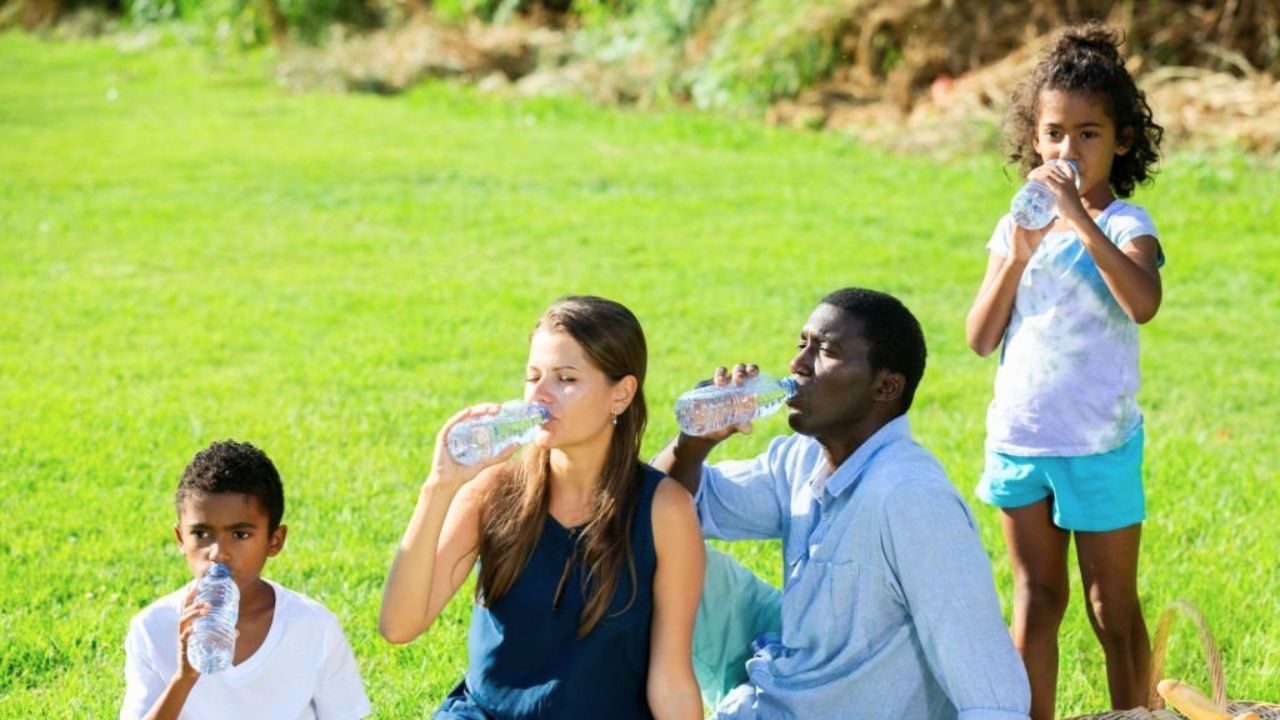
The Texas Department of State Health Services says people can help prevent heat-related illness by drinking more fluids, avoiding alcohol and very sugary drinks, and staying in air conditioning when possible. Families should check the event’s water policy before leaving home and plan around it.
Kids may not notice they are overheating
Children can get caught up in the fun and miss their own warning signs. They may keep running, playing, dancing, eating salty snacks, or standing in lines even when they need water and shade. Younger kids may not say, “I’m overheated.” They may get cranky, quiet, flushed, dizzy, sleepy, or complain that their stomach hurts.
Parents should watch for changes in behavior, not just obvious symptoms. If a child who was excited suddenly gets clingy, glassy-eyed, irritable, or unusually tired, it may be time to stop and cool down.
DSHS lists heat exhaustion symptoms that can include heavy sweating, weakness, cold or clammy skin, a fast or weak pulse, nausea or vomiting, and fainting. Heat stroke can include a high body temperature, hot red skin, rapid strong pulse, or unconsciousness, and it requires emergency care. =
The event schedule may not match the safest schedule
A lot of outdoor events hit their busiest stretch during the worst heat of the day. Afternoon games, midday festivals, parking lot events, markets, and outdoor concerts can overlap with the hours when the sun is strongest and pavement is hottest.
Families should be realistic about timing. It may be better to arrive early, leave before the worst heat, or show up later if the event runs into the evening. Trying to “get your money’s worth” by staying through the hottest hours can backfire, especially with kids.
If the event has must-see activities, plan those first. Then build in a real break. A short indoor lunch, shaded rest, or car AC reset can keep the day from falling apart.
Clothing can make a bigger difference than people think
Dressing for the event and dressing for Texas heat are not always the same thing. Heavy fabrics, dark colors, uncomfortable shoes, and outfits that do not breathe can make the day feel much hotter.
Lightweight, loose-fitting clothing can help. Comfortable shoes matter too, especially when parking is far away or the event is spread out. Hats and sunglasses can make waiting in lines easier. Sunscreen should go on before leaving home, not after everyone is already sweating.
For kids, bring a backup outfit if water play, splash pads, sweat, or spills are likely. Wet clothes can be uncomfortable later, especially if the family goes from outdoor heat into cold indoor air.
Food choices can affect how everyone feels
Festival food is part of the fun, but heavy meals in the heat can make people feel sluggish or nauseated. Long lines can also mean kids wait too long to eat and then crash.
Families should bring allowed snacks if the event permits them, especially for young children. Crackers, fruit, pouches, granola bars, and simple snacks can help prevent a meltdown while waiting for food. If outside food is not allowed, check food vendor locations early and avoid waiting until everyone is already overheated and hungry.
It also helps to balance salty snacks with water. Hot weather, sweat, and lots of walking can make thirst hit harder than people expect.
Crowds can make heat feel worse
A crowded event can feel hotter than the temperature suggests. People stand close together, air movement drops, lines get longer, and moving from one place to another takes more effort. Crowds also make it easier to lose track of kids or get separated.
Families should pick a meeting spot as soon as they arrive. Older kids should know what to do if they get separated, including finding event staff, police, security, or a clearly marked information booth. Younger kids can wear a bracelet or tag with a parent’s phone number.
This is not only a safety step. It also keeps adults from making frantic, heat-stressed decisions in a crowd.
The ride home should be part of the heat plan
Leaving a big event in Dallas can involve traffic, long walks back to the car, rideshare waits, parking garage backups, and tired kids. By then, everyone may already be hot and worn out.
Keep water in the car if it can be stored safely, and consider packing a small cooler for the ride home. Let the car cool down before loading kids in if possible. Watch metal seatbelt buckles, car seats, and stroller parts that can get extremely hot in the sun.
Families should also be careful about leaving items, pets, or children in parked vehicles. The National Weather Service warns that vehicles can become deadly in heat, even when outside temperatures do not seem extreme.
Outdoor fun needs a backup plan
The best Texas event plan includes permission to leave. That sounds simple, but families often push through because they paid for tickets, drove a long way, or promised the kids a full day. Heat does not care about sunk costs.
If someone gets overheated, the plan changes. If the shade is gone, the lines are too long, water is hard to get, or storms start building, it is fine to cut the day short. Leaving early is better than turning a fun outing into a medical issue.
Dallas-area families can still enjoy outdoor events in the heat. They just need to plan for the heat like it is part of the event itself: parking, shade, water, timing, clothing, snacks, kids’ symptoms, and the ride home. In Texas, that preparation is not extra. It is how summer plans stay fun.