Texas Wildlife Rescuers Push Back After State Approves Controversial New Rehab Rules
A fight over injured and orphaned wildlife in Texas has turned into one of the state’s most emotional wildlife stories of the week.
The Texas Parks and Wildlife Commission approved a major overhaul of the state’s wildlife rehabilitation rules on May 29, setting up new requirements for people who want to care for injured, sick, or orphaned wild animals. Supporters say the changes are meant to raise standards and make the system more professional. But many wildlife rescuers say the rules could make it harder for Texans to get help when they find an animal in trouble.
According to Chron, the proposal faced heavy public opposition before it was approved, with only about 5% of more than 1,400 public comments supporting the changes. Chron reported that the new rules are scheduled to take effect in September 2027.
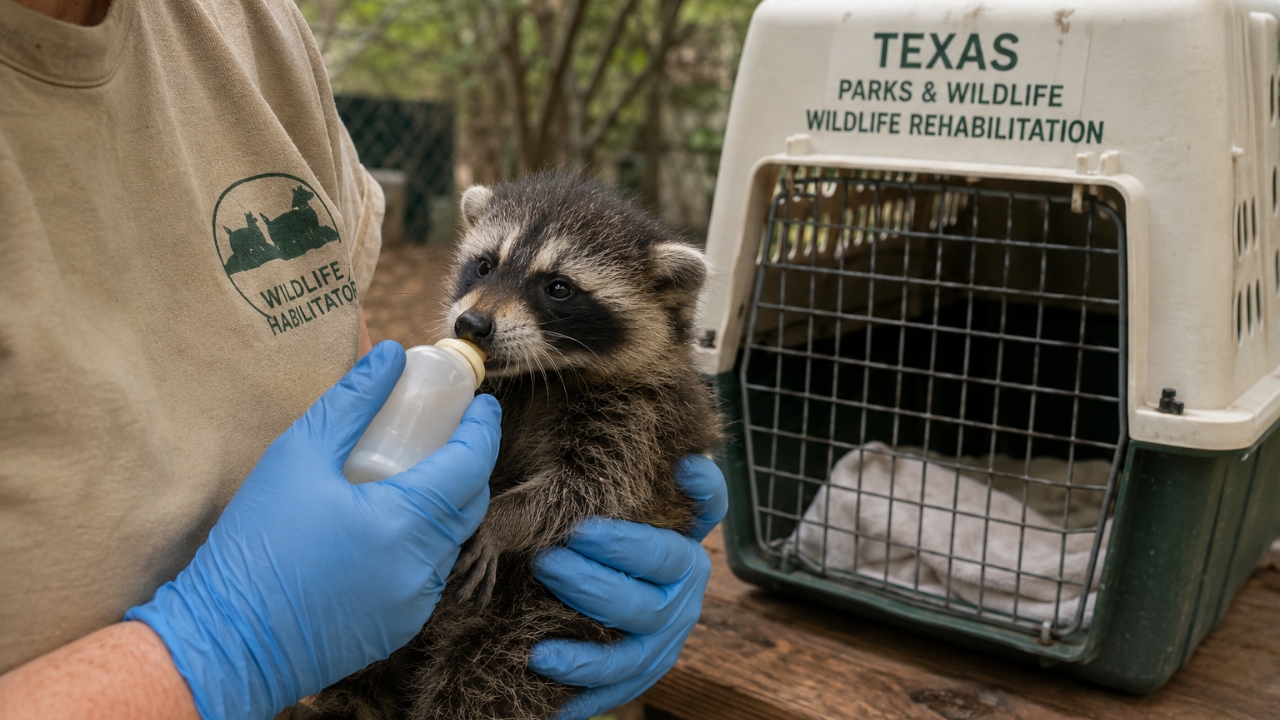
For Texans who have ever found a baby squirrel after a storm, an injured bird near a road, or a young raccoon separated from its mother, wildlife rehabilitators can be the first call people make. Many of those rehabbers are volunteers or small rescue operators who take calls from the public, coordinate transport, provide care, and work toward releasing animals back into the wild.
That system is what has many rescuers worried.
The Texas Parks and Wildlife Department’s meeting materials said the rule changes were meant to revise eligibility, application, training, and testing requirements for wildlife rehabilitators and subpermittees. The agency also said the changes would simplify reporting requirements, create different types of authorization based on experience, and require documentation of an ongoing relationship with a veterinarian who may advise the rehabilitator.
On paper, those goals may sound reasonable. Wildlife care is specialized. Injured animals can be stressed easily. Young animals can imprint on humans. Some animals may carry disease or require special handling. A stronger permit structure could help make sure animals are treated by people who understand what they are doing.
But critics say the problem is not simply whether standards should exist. The problem, they argue, is whether the new standards will shrink an already strained rescue network.
Chron reported that the new regulations include tougher experience requirements, permit tiers, veterinary consultation requirements, and additional continuing education standards. Critics told the outlet that the changes could make it harder for new rehabilitators to enter the field and harder for smaller or regional rehab operations to keep up with demand.
That concern is especially important in a state as large as Texas.
A wildlife call in a major metro area is different from a wildlife call in a rural county. In some places, the nearest permitted rehabber may already be far away. If fewer people are able to get permitted or stay permitted, rescuers fear more injured or orphaned animals could be left without timely care.
FOX 26 Houston reported that volunteer rehabilitators were especially worried about proposed changes involving satellite care facilities, saying those limits could reduce the number of animals they are able to save and return to the wild.
The issue also puts everyday Texans in a difficult position.
When someone finds a wild animal in distress, they are usually told not to try to raise it themselves. Texas Parks and Wildlife maintains information for the public about wildlife rehabilitators and reminds people that rehabilitators are permitted to work only with the species listed on their permits.
That means the public depends on a functioning network of trained, permitted people. If that network becomes harder to enter or harder to maintain, critics say the consequences could show up one animal at a time: calls unanswered, longer drives, fewer available caregivers, and more pressure on the rehabbers who remain.
Supporters of the changes see it differently. Their argument is that stronger rules help protect animals from improper care, prevent misuse of permits, and make sure rehabilitators have enough training before handling wildlife. In that view, the rules are not about reducing rescue work. They are about making it safer and more accountable.
Still, the opposition shows how sensitive this issue has become.
Wildlife rehabilitation often operates quietly in the background. Most people do not think about it until a storm knocks baby birds from a nest, a vehicle hits an animal, or someone finds a sick raccoon, opossum, deer, squirrel, or owl and does not know what to do next.
This week’s vote pulled that hidden system into the public conversation.
For wildlife rescuers, the fear is that the new rules may look manageable on paper but become overwhelming in practice. For the state, the goal is a more professional and better regulated system. For everyday Texans, the question is simpler: when an animal needs help, will there still be someone close enough and permitted enough to take the call?
The answer may not be clear until the rules move closer to taking effect.

Arlie Howard contributes coverage on consumer issues, family-focused stories, household concerns, scams, local cost-of-living topics, and real-life situations that affect Texas readers.
Her work focuses on explaining what happened clearly and helping readers understand the details that may matter most.