The Yard Features That Could Be Attracting Snakes in Texas
A snake usually does not show up in a Texas yard by accident.
That does not mean the homeowner did anything wrong. It does not mean the yard is dirty. It does not mean snakes are suddenly “taking over” the neighborhood. Most of the time, it simply means the property is offering something a snake needs.
Food. Water. Cover. Shade. A quiet place to hide.
That is especially true in Texas, where warm weather, wooded edges, creek beds, pastureland, storm debris, and thick landscaping can all create snake-friendly conditions around homes. Most snakes are not looking for people. They are looking for survival. But when a yard gives them what they need, they may get closer to the house than anyone wants.
Texas A&M AgriLife puts it plainly: one of the best ways to reduce negative snake encounters is to remove woodpiles, debris, and clutter where snakes can hide, while also controlling rodents and insects that attract snakes looking for food. Their spring snake-safety guidance is here: https://agrilifetoday.tamu.edu/2026/03/16/five-ways-to-prevent-negative-encounters-with-snakes-this-spring/
Tall Grass Gives Snakes Cover
Tall grass is one of the biggest yard features that can make snakes feel comfortable.
A snake moving across a short, open lawn is exposed. A snake moving through high grass can stay hidden from people, pets, birds, and other predators. That cover matters, especially during hot Texas days when snakes may be trying to stay cool and avoid danger.
Texas Parks and Wildlife recommends keeping the lawn around the home trimmed low as part of its venomous snake safety guidance. The agency also advises homeowners to remove brush, wood, rock, and debris piles because those places can shelter snakes and rodents. You can read that guidance here: https://tpwd.texas.gov/education/resources/texas-junior-naturalists/be-nature-safe/venomous-snake-safety
For homeowners, this is one of the simplest fixes. Mow regularly. Trim fence lines. Cut back weeds around sheds, patios, and AC units. Do not let the back corner of the yard become a place nobody wants to walk through.
That forgotten corner may be exactly where wildlife feels safest.
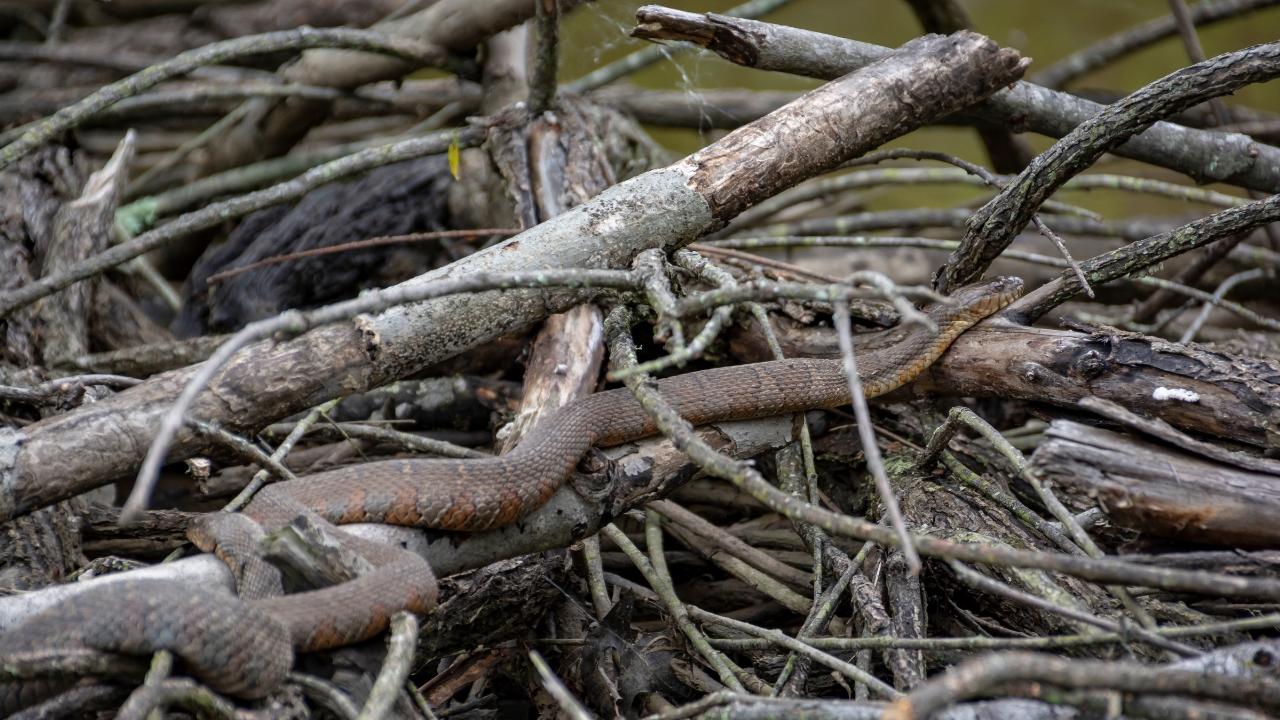
Brush Piles and Storm Debris Can Become Shelter
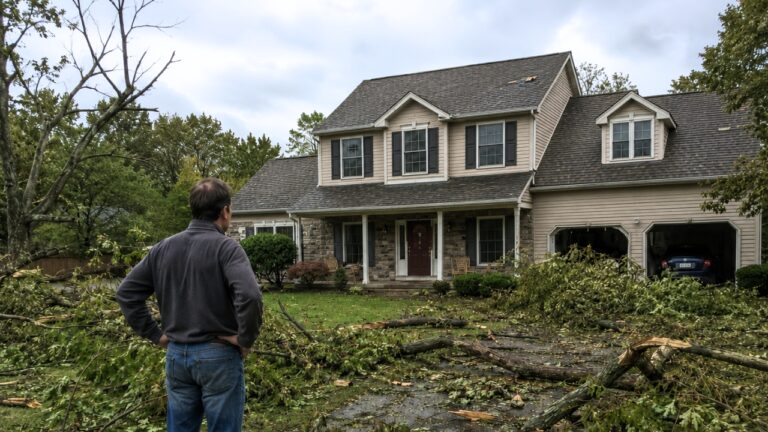
Texas weather can leave a mess behind.
After high winds, thunderstorms, hail, or heavy rain, homeowners may end up with fallen limbs, broken branches, leaves, and debris stacked along the fence or beside the house. It is easy to tell yourself you will clean it up next weekend.
But brush piles can become shelter fast.
They create shade and protection. They can attract insects. They can give rodents a place to hide. And where rodents and insects gather, snakes may follow.
This does not mean a snake is hiding in every pile of branches. But it does mean brush piles should not sit near the home for weeks at a time, especially during warm weather. Clear storm debris as soon as it is safe to do so. If you cannot haul it away immediately, keep it away from doors, garages, children’s play areas, and heavy foot traffic.
Woodpiles Can Invite More Than Firewood Season
A neat stack of firewood may look harmless, but to a snake, it can look like a cool, protected hiding place.
The gaps between logs provide cover. The bottom of the pile may stay shaded and damp. Rodents may nest nearby. Insects may gather. That combination can turn a woodpile into a small wildlife hotel.
The CDC’s National Institute for Occupational Safety and Health warns outdoor workers to be careful around piles of wood where snakes may hide and recommends wearing gloves when handling brush and debris. Their venomous snake safety page is here: https://www.cdc.gov/niosh/outdoor-workers/about/venomous-snakes.html
Texas homeowners can take the same common-sense approach. Store firewood away from the house if possible. Keep it raised off the ground. Wear gloves when moving logs. Do not reach blindly into the stack.
A little caution is better than finding out the hard way that something moved in.
Rodent Problems Can Bring Snakes Closer
If snakes had a grocery store, rodents would be on the front shelf.
Mice and rats are a common food source for many snakes. So if a yard is attracting rodents, it may also attract snakes looking for an easy meal.
Rodents can be drawn by pet food left outside, birdseed scattered under feeders, unsecured trash, compost piles, fallen fruit, cluttered sheds, and gaps around garages or crawl spaces. Once rodents settle in, snakes may start visiting the same areas.
The National Pesticide Information Center notes that snakes enter areas where people live in search of food and shelter, and it recommends reducing food sources such as rodents by not leaving pet food out and by storing animal feed in tight containers. Their snake prevention information is here: https://npic.orst.edu/pest/snake.html
That is good advice for Texas homes, especially in rural areas, suburbs near open land, and neighborhoods with alleys, drainage areas, or greenbelts.
Bird Feeders Can Create a Chain Reaction
Bird feeders do not directly attract snakes in the same way they attract birds.
But spilled seed can attract rodents. Rodents can attract snakes. That is the chain reaction homeowners need to watch.
If you enjoy feeding birds, you do not necessarily have to stop. Just keep the area under the feeder clean. Use seed trays if possible. Store birdseed in sealed containers. Watch for signs of mice or rats near the feeder, fence line, garage, or shed.
A bird feeder should not become an all-you-can-eat buffet for rodents.
Water Sources Can Draw Wildlife
Snakes need water, and so do the animals they eat.
A leaking outdoor faucet, low soggy area, drainage ditch, pond, birdbath, pet water bowl, or irrigation leak can bring wildlife closer to the house. In some parts of Texas, especially near creeks, ponds, lakes, and marshy areas, homeowners may also see water snakes or cottonmouths.
Not every snake near water is dangerous. Many harmless water snakes are mistaken for venomous cottonmouths. But if you cannot confidently identify a snake from a safe distance, the safest move is to leave it alone.
Fix leaks. Empty unnecessary standing water. Keep pet water bowls in areas you can see clearly. Be careful around pond edges, drainage ditches, and creek banks, especially at dusk or after dark.
Thick Landscaping Can Hide More Than Flowers
Texas homeowners often use shrubs, groundcover, mulch, rocks, and native plants to make a yard look good and handle the heat.
There is nothing wrong with that.
The problem comes when landscaping gets too thick, too low, or too cluttered near the house. Dense plants can provide shade and cover. Heavy mulch can shelter insects and small animals. Rock borders and retaining walls can create gaps where snakes may hide.
Keep shrubs trimmed so you can see the ground underneath. Avoid letting groundcover grow wild against the foundation. Pull weeds around rock borders. Use a rake or tool before putting your hands into thick plants.
A yard can be beautiful without becoming a hiding place.
Open Gaps Can Give Snakes Access
A snake does not need an invitation if there is an opening.
Gaps under sheds, loose skirting, cracks near foundations, openings around crawl spaces, broken garage-door seals, and spaces under steps can all create access points. Snakes may use those places for shelter, especially if rodents are already there.
The National Pesticide Information Center recommends sealing entry points into crawl spaces or basements that are larger than one-quarter inch in diameter. That kind of sealing can help with snakes, but it can also help with rodents, insects, and other pests.
Walk around the house slowly and look low. Check places where pipes or wires enter the home. Look at the bottom of garage doors. Check shed bases and porch steps.
The spaces people ignore are often the ones wildlife finds first.
Yard Clutter Makes It Easier for Snakes To Stay Hidden
Not every hiding place looks like brush or firewood.
Sometimes it is a tarp on the ground. Sometimes it is a stack of empty flowerpots. Sometimes it is old lumber, unused bricks, a broken chair, kids’ toys, buckets, bags of soil, or patio cushions left outside too long.
If it creates shade and cover, it can become a hiding spot.
The fix is not complicated. Store what you use. Toss what you do not. Keep items off the ground when possible. Move outdoor storage away from doors and walkways. Before picking up anything that has been sitting for a while, look carefully and use gloves.
That is not paranoia. That is just good Texas yard sense.
Snake Repellent Is Not the Main Answer
A lot of homeowners want a simple product they can sprinkle around the yard and be done.
Unfortunately, snake prevention does not work that neatly.
Texas A&M AgriLife has previously noted that there are no chemical repellents proven to deter snakes, and that homeowners are better off reducing hiding places and food sources. Their advice on reducing snake encounters is here: https://agrilifetoday.tamu.edu/2021/05/21/snakes-are-out-reduce-encounters/
That may not sound as easy as buying a bag of repellent, but it is more practical.
Snakes are attracted to habitat. Change the habitat, and you lower the odds of a close encounter.
A Smarter Texas Yard Is a Safer Yard
No homeowner can promise a snake will never cross the property. This is Texas. Snakes live here, and they play an important role in controlling pests.
But you can make your yard less inviting.
Keep the grass trimmed. Clear brush and debris. Store firewood properly. Control rodents. Clean up spilled birdseed. Fix leaks. Trim thick landscaping. Seal gaps. Keep clutter away from the house. Wear shoes outside. Use a flashlight at night.
And if you do see a snake, give it room. Do not try to handle it, kill it, or move it yourself. The CDC warns that people should not handle snakes, and most bites happen when people try to catch or kill them.
A snake in the yard is not always an emergency. But it is always a reminder to pay attention.
In Texas, that kind of awareness is part of being a good homeowner.

Arlie Howard contributes coverage on consumer issues, family-focused stories, household concerns, scams, local cost-of-living topics, and real-life situations that affect Texas readers.
Her work focuses on explaining what happened clearly and helping readers understand the details that may matter most.