The North Texas Weekend Events That Can Turn Traffic Into a Mess Fast
A normal weekend drive in North Texas can go sideways before you even realize there was an event happening. One minute you are heading to dinner, a kid’s game, the airport, a concert, or a grocery run near Dallas. The next minute, you are stuck behind cones, police directing traffic, pedestrians crossing in waves, rideshare cars stopping wherever they can, and parking lots charging like they know you have no other choice.
That is North Texas on a busy event weekend. The problem is not one concert or one festival. It is the way games, races, parades, road work, downtown events, Fair Park crowds, Victory Park traffic, Deep Ellum nightlife, and highway closures can all pile onto the same map. If you do not check before leaving, the drive can get ugly fast.
And if you are traveling with kids, trying to catch a flight, or headed somewhere with a hard start time, “we’ll just figure it out when we get there” is how the whole day starts sweating.
Fair Park events can change the whole area
Fair Park is one of those places where traffic can look totally different depending on what is happening. A normal visit is one thing. A major festival, sporting event, concert, fan event, or State Fair-level crowd is another situation entirely.
The area around Fair Park has DART access, parking lots, pedestrian traffic, rideshare zones, road closures, and neighborhood streets all competing for space. When an event is big enough, the traffic does not stay neatly around the gates. It spills into surrounding roads and makes people who were not even attending the event wonder what they drove into.
Fair Park tells visitors it has more than 14,000 parking spaces inside the park and points people to DART’s Fair Park Station and MLK Jr. Station, but it also says parking rates and availability vary by event. That is the important part. You cannot assume the same parking plan works every time.
Victory Park and American Airlines Center traffic can sneak up on people
American Airlines Center traffic is its own little weather system. A Stars game, Mavericks game, concert, or stacked event night can turn Victory Park into a slow crawl. The rough part is that the traffic does not always feel bad until you are already close enough to be trapped in it.
Add ongoing construction, lane changes, downtown traffic, rideshares, pedestrians, and people trying to find parking, and the area can bog down quickly. The arena’s own directions page has warned visitors about TxDOT-related ramp closures near I-35E and Hi Line Drive tied to the Lowest Stemmons project, which is exactly the kind of detail people miss when they only plug the venue into GPS.
If you are going to the event, leave earlier than seems necessary. If you are not going to the event, check what is happening there before routing through the area. Victory Park does not need much help becoming frustrating.
Greenville Avenue events can lock down a big stretch
Some Dallas events are not just “crowded.” They come with planned street closures, large pedestrian areas, and traffic patterns that make certain routes a bad idea for most of the day.
Dallas’ 2026 St. Patrick’s Day traffic advisory is a good example. Event organizers projected more than 90,000 attendees, and the city warned that road closures and pedestrian traffic would affect Greenville Avenue from Park Lane to Belmont Avenue between 6:30 a.m. and 8:15 p.m. The city specifically told drivers to avoid Greenville Avenue and use Skillman Street, McMillan Avenue, and Central Expressway to travel north and south.
That is the kind of event that can mess up your plans even if you are just trying to get across town. Big street events do not politely stay out of everyone else’s way.
Downtown events can close streets before the event even starts
One thing Dallas drivers need to remember: event traffic may start long before the actual event. Setup, staging, parking restrictions, meter hooding, barricades, security, and vendor movement can affect streets days ahead of time.
The city’s 2026 Spartan Dallas traffic advisory showed that clearly. Parking meters around Main Street Garden Park, Harwood Park, Pacific Plaza, and Carpenter Park were hooded starting April 9 for setup and staging, with restrictions continuing through April 21. Street closure details were also listed around the event route.
So if you see a weekend event on the calendar, do not assume the traffic impact begins when the first runner, performer, or vendor shows up. Downtown can start shifting days earlier.
Deep Ellum gets complicated when events meet nightlife
Deep Ellum does not need much help getting busy. Restaurants, bars, music venues, rideshares, pedestrians, parking lots, scooters, and narrow streets already make the area a lot to manage on a busy night. Add a special event, lane closure, or nearby downtown activity, and it can become a knot.
Dallas’ Office of Special Events identifies Deep Ellum as one of its high-impact areas and includes specific street-closure guidance for the district, including limits around closures on thoroughfares and arterials during certain times.
That tells you the city knows these areas are sensitive. Drivers should treat them the same way. If Deep Ellum is not your destination, do not wander into it on a busy event night because the map says it saves four minutes. It probably will not.
Weekend highway closures can stack on top of events
Sometimes the event is not the only problem. Road work can take the route you planned and make it useless. TxDOT’s Dallas district keeps lane closure information online, and its project pages warn that scheduled closures can change because of weather or other conditions.
For some projects, weekend closures are part of the rhythm. TxDOT’s I-20/I-30 roadwork page notes that lane closures can be allowed all day Saturday and Sunday as needed, with schedules subject to weather and changes.
That is how a regular weekend outing turns into a headache. You plan around the event. You forget to plan around the construction. Then both hit the same route.
DART can help, but only if you plan the ride home too
DART can be a great way to avoid parking and heavy event traffic, especially around places like Fair Park and downtown. But it still needs a plan. Where are you parking? Which station are you using? How late does the event run? What does the return trip look like with tired kids or a big crowd leaving at the same time?
DART says its event service can help riders reach major destinations, and Fair Park is served by the Green Line at Fair Park Station and MLK Jr. Station.
The mistake is treating transit like magic. It can be easier than driving, but families still need to check schedules, walking distance, transfers, and what happens if the event ends later than expected.
Rideshare zones can become mini traffic jams
Rideshare can sound like the easy answer until 5,000 other people have the same idea. Around concerts, games, festivals, and downtown events, rideshare pickup areas can become their own traffic problem.
Drivers stop in odd places. Riders wander around looking for the right car. Prices can surge. Streets around the pickup zone can clog. Police or event staff may force traffic one direction, which can confuse both drivers and passengers.
If you use rideshare, check whether the event has a designated pickup and drop-off zone. Do not assume the app will take care of everything. Around major events, the pickup spot may be moved away from the main entrance, and walking there can take longer than expected.
Parking prices can jump when everyone arrives at once
Parking is one of those expenses that loves a captive audience. The closer you are to a major event, the more likely the price climbs. Families who did not plan for parking may end up paying more than they expected or walking much farther than they wanted.
The best move is checking official parking guidance before leaving. Some venues let you buy parking ahead of time. Some events use specific lots. Some areas have street parking restrictions that are not obvious until you are already circling.
Do not let parking be the thing you figure out last. In North Texas, that is how people end up angry, late, and somehow paying $40 to park in a lot that still feels too far away.
Families should build in heat time, not just drive time
In Texas, traffic is not the only delay. Heat changes how long everything takes. Walking from a far lot, standing in a security line, waiting for rideshare, or dragging kids across a festival area hits differently when the pavement is hot and shade is scarce.
A 15-minute walk on a cool day may be fine. A 15-minute walk in July with a toddler, diaper bag, stroller, water bottles, and sun beating off concrete can feel like a full event before the event.
Build that into the plan. Leave earlier. Bring water if allowed. Check the bag policy. Know where the entrance is. Pick the parking lot based on the actual walk, not only the price.
The smart move is checking three things before leaving
Before heading toward a busy Dallas-area event, check three things: the event page, the city or venue traffic advisory, and TxDOT lane closures. That sounds like too much, but it can take five minutes and save half an hour of sitting still.
The City of Dallas road traffic updates page directs drivers to agencies overseeing current and ongoing road projects that may affect traffic and commutes, including TxDOT and regional project pages.
That is the independent reporter version of “look before you leave.” The information is out there. The problem is most people check it after they are already stuck.
North Texas traffic does not need much help getting ugly
Dallas-area event traffic is not always avoidable. Big cities have big crowds. Growing regions have construction. Popular venues bring people. That is the deal.
But families and drivers can save themselves a lot of frustration by planning around the obvious trouble spots: Fair Park, Victory Park, Deep Ellum, downtown parks, Greenville Avenue, major highways, weekend closures, and event parking. Check the route. Check the closures. Check the parking. Then give yourself more time than the app thinks you need.
Because in North Texas, the app may say 22 minutes. The cones, crowds, and $30 parking lot may have other plans.
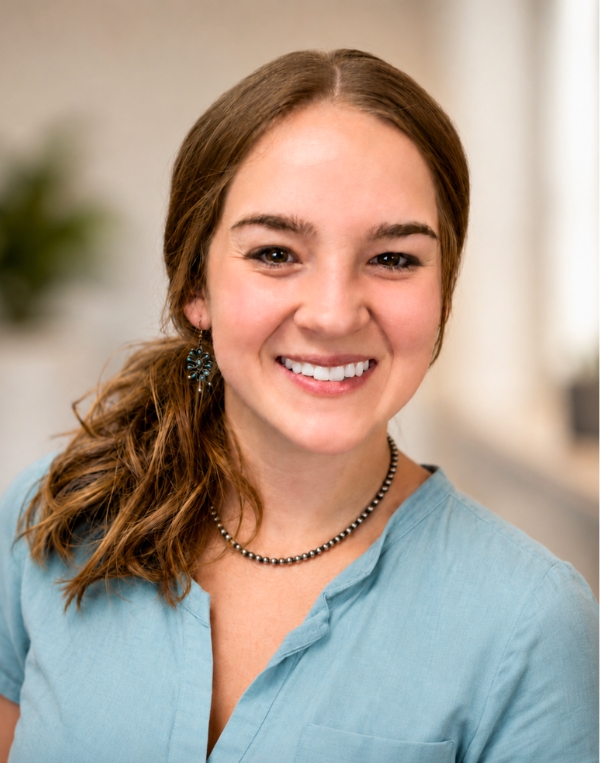
Arlie Howard contributes coverage on consumer issues, family-focused stories, household concerns, scams, local cost-of-living topics, and real-life situations that affect Texas readers.
Her work focuses on explaining what happened clearly and helping readers understand the details that may matter most.