What Texas Heat Alerts Actually Mean Before Families Make Outdoor Plans
A Texas heat alert can feel like one more weather notification in a state where summer already sounds like a threat. Heat advisory, excessive heat warning, extreme heat warning, ERCOT Weather Watch — the wording starts to blur when everyone already knows it is hot enough to fry your patience in the driveway.
But those alerts are not just background noise. They are the difference between “be careful” and “change the plan.” That matters when families are trying to decide whether to go to a festival, mow the yard, take kids to a ball tournament, walk the dog, work outside, or let an elderly parent run errands in the middle of the afternoon.
Texas heat is not only uncomfortable. It can turn dangerous quickly, especially when humidity, hot pavement, poor shade, long exposure, and dehydration stack up. The smartest families do not wait until someone feels awful to take the alert seriously.
A heat advisory means the day deserves a second look
A heat advisory is not the weather service being dramatic. It means conditions are expected to be hot enough to raise the risk of heat illness if people do not take precautions.
The exact criteria can vary by area, but the National Weather Service says heat advisories are issued when heat conditions are expected to pose a risk, and it tells people to drink plenty of water, avoid strenuous activity, find air conditioning, and check on family and neighbors. (weather.gov)
In real life, a heat advisory means families should rethink the day’s timing. That afternoon zoo trip, outdoor birthday party, long dog walk, or yard project may need to move earlier, get shortened, or come with more breaks than originally planned.
It does not always mean cancel everything. It does mean stop treating the heat like normal summer background.
An excessive heat warning should change the plan
An excessive heat warning is the alert Texans should not shrug off. That is when dangerous heat is expected or already happening. The National Weather Service says people should avoid outdoor activities, especially during the heat of the day, stay indoors in air conditioning as much as possible, drink plenty of water, take frequent shade breaks if they must be outside, and check on family and neighbors. (weather.gov)
That is the kind of day when “we’ll be fine” needs to be replaced with “what is the indoor backup plan?” Outdoor events, sports practices, long errands, yard work, and anything involving kids, older adults, pets, or people with health conditions need a harder review.
Texas families are used to heat, but being used to it does not make anyone immune to it. A warning means the margin for error is smaller.
The heat index matters because humidity changes everything
The air temperature is not the whole story. The heat index, sometimes called the “feels like” temperature, combines air temperature and humidity to show how hot it feels to the body. Humidity makes it harder for sweat to evaporate, and that makes it harder for the body to cool itself.
That is why a day that is “only” in the upper 90s can still feel dangerous if the humidity is high. It is also why morning heat can feel rough in parts of Texas even before the afternoon high hits.
Families planning outdoor events should look at the heat index, not just the temperature. The number on the forecast may not explain why standing in a parking lot, sitting on metal bleachers, or walking across a festival field feels worse than expected.
Kids may not complain until they are already struggling
Children do not always recognize heat illness early. They may keep playing, running, dancing, or begging to stay at an event because they are focused on the fun. By the time they say they feel bad, they may already be overheated.
The Texas Department of State Health Services says heat-related illness symptoms can include heavy sweating, weakness, dizziness, nausea, and fainting. Heat stroke is an emergency and may involve confusion, loss of consciousness, or a very high body temperature. (dshs.texas.gov)
Parents should watch behavior, not just complaints. A child who gets quiet, flushed, unusually cranky, dizzy, sleepy, or nauseated needs shade, water, and cooling right away. If symptoms are serious, do not try to tough it out.
Older adults need extra checking during heat alerts
Heat alerts are especially important for older adults, people with chronic health conditions, pregnant women, outdoor workers, and anyone without reliable air conditioning. A person does not have to be outside all day to be at risk. A hot house, a broken AC, poor hydration, certain medications, or limited mobility can create trouble indoors too.
On excessive heat days, check on older relatives, neighbors, and anyone who may not be comfortable asking for help. Make sure the AC works. Make sure they have water. Make sure they are not planning errands during the worst part of the day.
This is one of those Texas neighbor things that should be normal. A quick call can catch a problem before it becomes an emergency.
Pets do not get a vote, so owners have to make the call
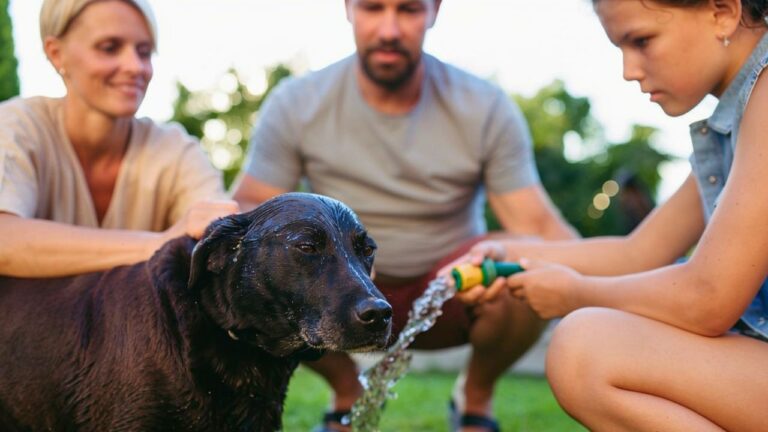
Dogs will often go along with whatever their people are doing, even when the heat is too much. That does not mean they are fine. Hot pavement can burn paws, and dogs can overheat faster than owners expect.
Texas Ready tells people never to leave pets in a closed, parked vehicle during hot weather, even briefly. It also recommends drinking plenty of fluids, planning strenuous outdoor activity for early morning or evening, taking frequent breaks, and wearing light-colored, loose-fitting clothes during extreme heat. (texasready.gov)
For pets, that means early walks, shade, water, and skipping the parking-lot errands. If the ground is too hot for your hand, it is too hot for paws.
ERCOT Weather Watches are not the same as emergency alerts
Texans also hear about ERCOT Weather Watches, and those can get confused with heat alerts. An ERCOT Weather Watch is not the same thing as a National Weather Service heat warning. ERCOT says a Weather Watch is an earlier notification, usually about three to five days ahead, for forecasted significant weather and high demand. It also says these watches do not replace ERCOT Emergency Alerts. (ercot.com)
In plain English, an ERCOT Weather Watch means the grid operator is watching conditions that could drive high electricity demand. It does not automatically mean the power is about to go out.
For families, the practical move is simple: know the difference. A heat warning is about human health risk. An ERCOT Weather Watch is about weather and electricity demand. Both are worth paying attention to, but they are not telling you the exact same thing.
Outdoor workers and yard work need a real heat plan
Plenty of Texans still have to work outside when alerts are active. Roofers, landscapers, road crews, utility workers, farm workers, delivery drivers, and construction crews do not get to pretend summer stops. Homeowners also tend to push mowing, fencing, cleanup, and repairs into weekends, even when the heat is ugly.
That does not mean people should be reckless. Outdoor work needs earlier start times, more water, shaded breaks, lighter clothing, and a hard stop when symptoms show up. Heat exhaustion can move into something worse if people ignore it.
For homeowners, the yard can wait longer than a human body can. Mowing at 3 p.m. during an excessive heat warning is not a badge of honor. It is bad planning.
Nighttime heat can make the next day harder
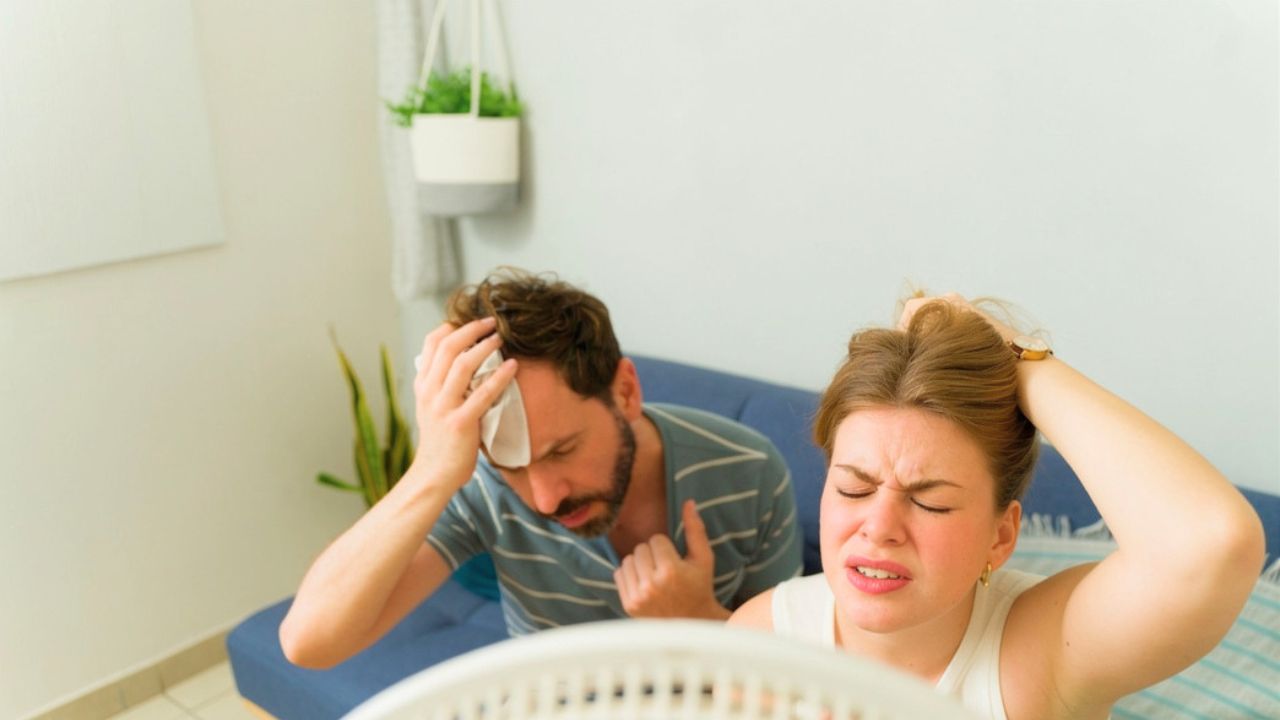
One of the sneaky problems with extreme heat is that nights may not cool down much. If the overnight low stays warm, the body gets less relief and homes without good cooling never fully recover. That makes the next day harder, especially during multi-day heat events.
Families should pay attention to nighttime conditions, not only afternoon highs. If the house is still hot at bedtime, kids, older adults, and pets may not rest well. Poor sleep plus another hot day can make everyone more vulnerable.
A cooling center, relative’s house, hotel room, or even a few hours in an air-conditioned public place may be worth considering if the home cannot cool safely.
Cars are one of the biggest heat dangers
Every Texas summer brings warnings about children and pets in cars because the danger is real and fast. The inside of a vehicle can heat up quickly, and cracking a window is not enough protection.
DSHS says hyperthermia includes heat illnesses such as heat exhaustion and heatstroke, and heatstroke is the most severe form because the body overheats and cannot cool itself quickly enough. Its hot-car safety materials warn that children are especially at risk. (dshs.texas.gov)
No errand is quick enough to leave a child or pet behind. Not one. Not in the shade. Not with the windows cracked. Not while running inside “for a second.”
Heat alerts should change how families schedule the day
A heat alert does not mean Texans stop living. It means they adjust. Outdoor plans move earlier or later. Water becomes non-negotiable. Shade becomes part of the plan. Long walks, yard work, and errands move out of the worst heat when possible. Kids and pets get watched more closely. Older relatives get checked on.
This is not about fear. It is about respecting the weather enough not to let stubbornness run the day.
Texas families are used to being hot. That does not mean every hot day is the same. When the alerts start stacking up, the smart move is to listen before the heat turns a normal plan into a problem.

Grady Howard contributes coverage on Texas public-interest stories, household costs, transportation, weather-related concerns, safety alerts, and consumer topics.
His reporting is built around practical context — what changed, why it matters, and what readers should pay attention to next.