A Strange June Cold Front Is Giving Parts of Texas a Break From the Heat
Texas weather has a way of keeping people humble.
One day, it feels like summer has fully moved in for the season. The next, a late cold front slips into the state and knocks temperatures down just enough to make everyone check the forecast twice.
That is what happened this week as a late-season “backdoor” cold front moved into Texas, bringing a surprising temperature drop to parts of the state while also raising the chance for storms, hail, strong winds, and heavy rain.
According to MySA, the front began moving across Texas on Tuesday, June 2, pushing in from the north and northeast instead of sweeping straight down in the more familiar way many Texans expect. That is why forecasters often call this type of system a “backdoor” cold front.
It is not exactly bringing sweater weather.
This is Texas in June, after all.
But after a stretch of hot, humid days, even a drop from the 90s into the 80s or 70s in some areas can feel like a real break. MySA reported that parts of North and Central Texas could see highs fall into the mid-70s, while the Dallas-Fort Worth area was expected to stay closer to the upper 80s with lower storm chances.
That is the nice side of the forecast.
The rougher side is that the same boundary helping cool things down can also help fire up thunderstorms. The National Weather Service was watching for storm development in parts of Texas, including the possibility of flooding rain, large hail, and damaging wind.
A separate MySA weather report noted that storms developing over eastern New Mexico could move into Texas starting Wednesday night, June 3. The Texas Panhandle appeared to have the higher concern, with forecasters watching for multiple rounds of thunderstorms, heavy rainfall, hail, and strong wind gusts.
That is the tradeoff Texans know well. Sometimes a cooldown comes with rumbles of thunder attached.
East Texas also had a chance to see storms as the front pushed in. KTRE reported that the boundary was expected to help generate scattered showers and thunderstorms across the Piney Woods on Tuesday afternoon and evening, with storms generally moving from northeast to southwest.
For anyone who does not spend much time reading weather maps, that movement may sound backwards. But it fits the “backdoor” setup. Instead of storms rolling in from the west or northwest, the boundary sneaks in from the other direction and can drag cooler air and storm chances with it.
The front also arrived during an already active weather stretch. South and Central Texas have been dealing with repeated rounds of rain and storm chances this spring, and some areas have already seen more rain than usual. The San Antonio Express-News reported that San Antonio had recorded nearly 12 inches of rain since mid-April, more than twice the seasonal average.
That extra moisture matters when more storms are in the forecast. A quick downpour may be nothing more than a loud afternoon storm in one neighborhood, but in another area it can lead to street flooding, low-water crossing problems, and dangerous driving conditions.
And because this is still Texas, the forecast is not the same everywhere.
North Texas may get a modest break from the heat, but not necessarily a major cold snap. Central Texas may see cooler afternoons, clouds, and scattered storm chances. The Panhandle may deal with stronger storms and heavier rain. East Texas may get scattered afternoon thunderstorms. South Texas could see a mix of humidity, clouds, and occasional rain chances depending on how the pattern evolves.
That is why broad statewide weather headlines can be tricky. A “cold front” in one part of Texas may mean a noticeable cooldown, while another part of the state simply gets clouds, wind, and a better chance of storms.
Still, the timing makes this front stand out.
By early June, many Texans have already mentally shifted into summer mode. The air conditioners are running hard, lawns are drying out between storms, and people start planning around heat instead of cool mornings. A cold front arriving now feels almost out of place, even if it is not unheard of.
The main thing for residents is to enjoy the brief break where it happens, but not ignore the storm side of the setup.
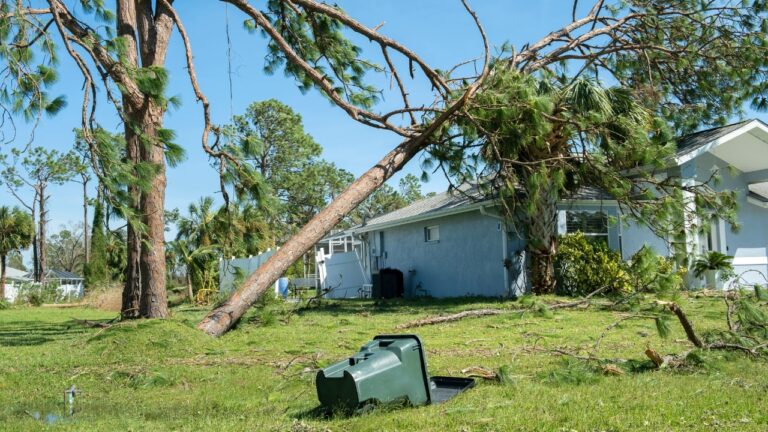
Large hail can damage vehicles, roofs, windows, and outdoor equipment. Damaging winds can bring down limbs and power lines. Heavy rain can make familiar roads dangerous faster than people expect, especially in low-lying areas or places with poor drainage.
A cooler afternoon is welcome.
A flooded road or hail-damaged windshield is not.
For now, Texans in the path of this late-season front may get a little relief from the early summer heat. But as usual, the state is getting that relief the Texas way — with a forecast that still deserves attention.

Grady Howard contributes coverage on Texas public-interest stories, household costs, transportation, weather-related concerns, safety alerts, and consumer topics.
His reporting is built around practical context — what changed, why it matters, and what readers should pay attention to next.