Dallas Residents Say a Neighboring Vacant House Has Been a Magnet for Rats, Break-Ins, and Police Raids for 30 Years
A Dallas resident said neighbors had spent years trying to get help with a vacant house they believed had become a dangerous nuisance, but repeated calls to 311 and 911 still had not led to a real fix.
The resident posted the situation in r/Dallas, asking what neighbors could do about a vacant home that had reportedly been empty for more than 30 years. According to the post, the house was still privately owned, but the owners were out of state and had not maintained the property. The resident said 311 had only told them police patrols would be increased to catch trespassers and drug users, but they had not seen that happen.
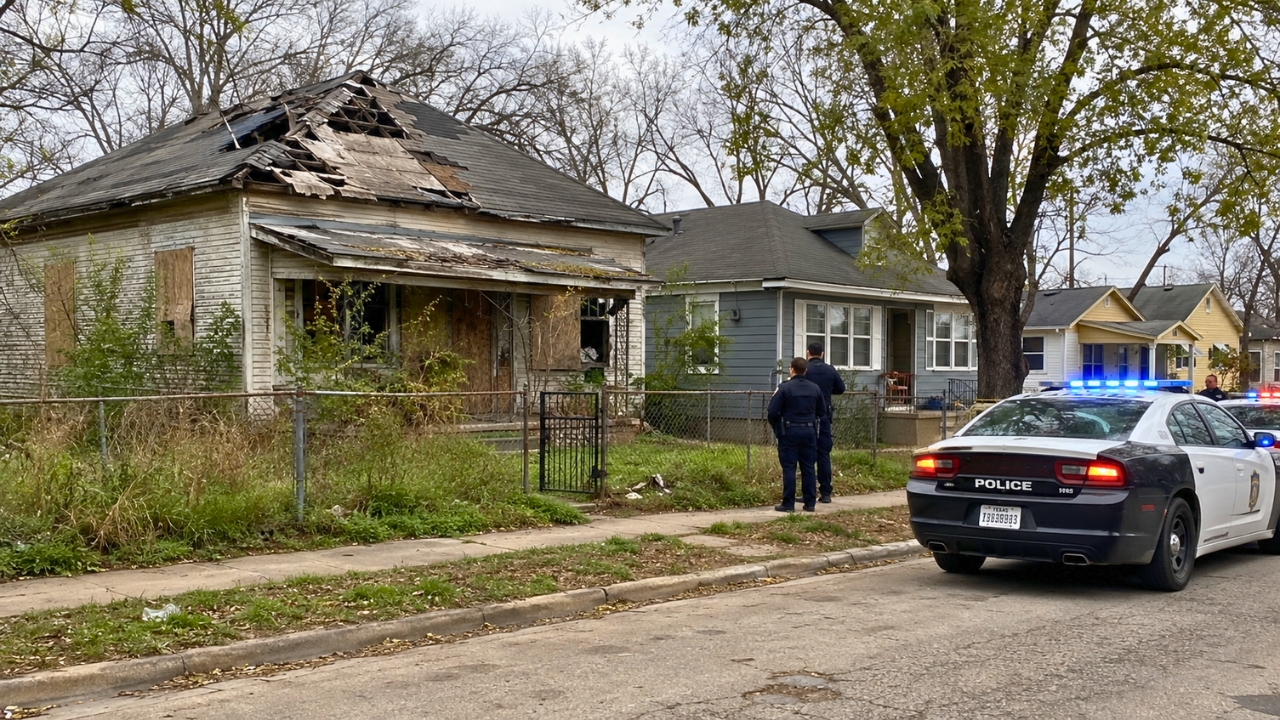
The problems listed in the post went far beyond an ugly yard or a house with peeling paint. The resident said the roof had caved in eight years earlier. Dead trees from the property had fallen onto neighboring land. Rats and bugs had become an infestation problem. People had allegedly entered the property to sleep or use drugs. The resident also said criminals running from police had broken into the vacant house, leading to police raids at least twice.
For the neighbors, the frustration seemed to come from the feeling that everyone knew the property was a problem, but no one with authority was actually solving it. The resident said they and surrounding neighbors kept calling 911 and reporting the issue to 311, only to be told to keep reporting.
The property’s ownership made things more complicated. The resident said tax records showed the owners lived in New York, but the neighbors had no way to contact them directly. In a later comment, the resident explained that the home had apparently been passed down through family. The taxes were still being paid, but no one seemed to be coming to Dallas to repair or maintain the house.
That detail mattered because, according to the resident, code compliance had previously brushed off complaints by saying the property was owned, not abandoned. To the people living beside it, that distinction did not fix the rats, trespassers, fallen trees, or the caved-in roof.
The resident said neighbors had already tried protecting themselves. Families nearby had put up privacy fences, cameras, and flood lights. But the resident said those measures may have had the opposite effect in one area, creating what they described as a more hidden spot where people could sleep.
The post also hinted at just how bad the property had become. In one reply, after another commenter made a reckless remark about fire, the resident said people went there to get high and the property was littered with needles and burnt spoons. That comment showed why the neighbors were not only irritated but genuinely worried about safety.
Commenters pushed the resident toward city officials, code enforcement, and legal aid rather than simply continuing to call 311.
Several people said the neighbors should contact their Dallas City Council representative directly. One commenter argued that council offices often have constituent-service staff who can push issues through city bureaucracy faster than another generic complaint. The original poster said they had not tried that yet and planned to look into who they needed to call.
Others suggested bringing the issue to a city hall meeting and speaking publicly. To them, a vacant house with a collapsed roof, repeated trespassing, and alleged drug activity sounded like the kind of nuisance property that needed political pressure.
Some commenters pointed to code violations and said the city could send notices, issue fines or fees, and eventually take stronger action if the owner continued to ignore the property. A few people mentioned that Dallas had previously dealt with dilapidated properties that became crime magnets, though the resident said this particular property had never been touched by the city despite years of problems.
One especially practical suggestion was to contact ACT, a Dallas nonprofit that helps residents deal with nuisance properties. The resident responded positively and said they planned to reach out.
Not every comment was helpful. A few people suggested burning it down or made jokes about something catching fire, which other readers would likely recognize as both dangerous and illegal. The resident did not endorse that route, but their replies made clear they understood why people feared the place could eventually become a fire hazard.
The thread did not end with the vacant house being fixed. Instead, it showed a neighborhood stuck with a long-running problem that had outlasted multiple complaints, safety upgrades, and police calls.
For the Dallas resident and their neighbors, the issue was not that the house looked bad. It was that the house had become part collapsed structure, part hiding spot, part pest source, and part crime concern — while the people living around it were still being told to keep reporting.

Arlie Howard contributes coverage on consumer issues, family-focused stories, household concerns, scams, local cost-of-living topics, and real-life situations that affect Texas readers.
Her work focuses on explaining what happened clearly and helping readers understand the details that may matter most.