The Texas Heat Mistakes That Can Damage Cars, Pets, and Outdoor Equipment
Texas heat has a way of finding every weak spot around the house. It does not just make people miserable. It beats up cars, dries out batteries, cooks tires, cracks plastic, fades patio furniture, overheats pets, and turns equipment that worked fine in April into something that refuses to start in July.
That is the part a lot of Texans learn the hard way. Summer heat is not only a comfort issue. It is a maintenance issue, a safety issue, and sometimes a money issue. A few careless habits can lead to a dead battery in a parking lot, a blown tire on the highway, a burned dog’s paws, warped outdoor gear, or a mower that quits when the grass is already knee-high.
This is Texas. The heat is not a surprise. But pretending it will not tear things up is where people get themselves in trouble.
Leaving pets outside too long
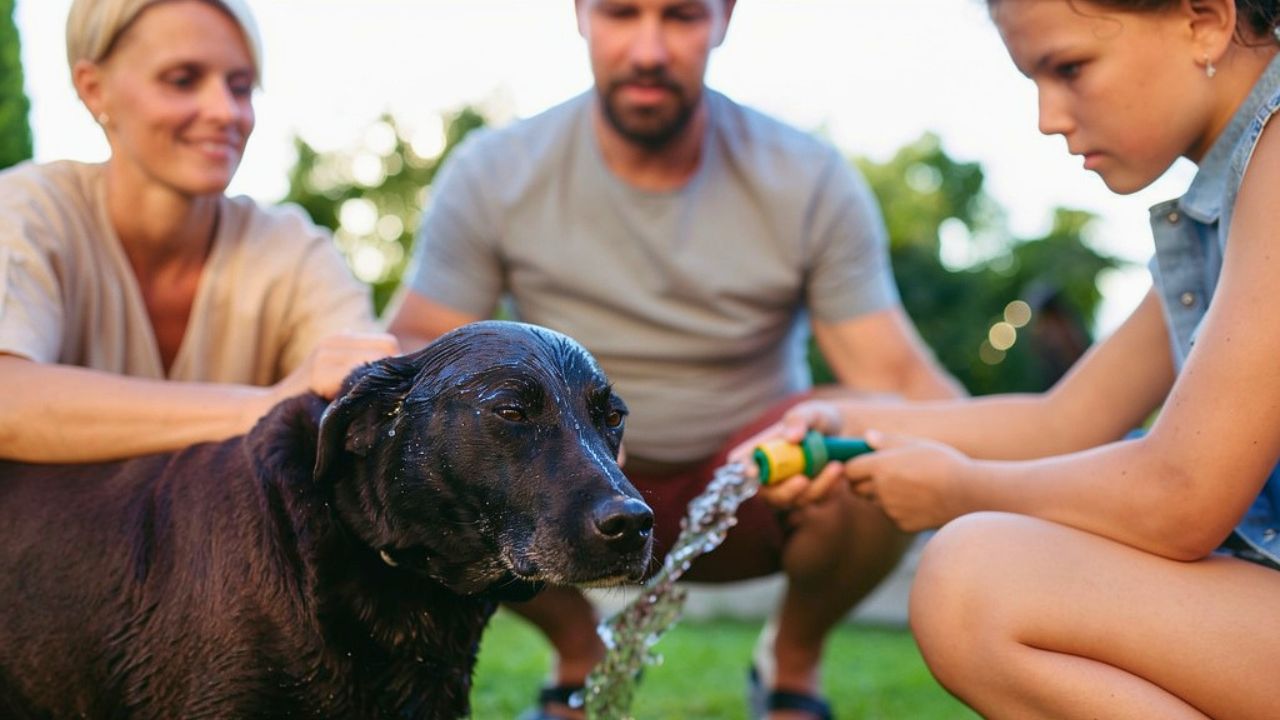
A shaded yard and a bowl of water may sound like enough, but Texas heat can overwhelm pets faster than people expect. Dogs do not cool themselves the same way humans do, and pavement, patios, decks, and bare dirt can get brutally hot during the day.
Texas Ready warns people not to leave pets in closed, parked vehicles during hot weather, even for a short time. It also recommends drinking plenty of fluids, limiting strenuous outdoor activity, and taking frequent breaks when working outside. Those same common-sense heat rules matter for animals too.
For pets, the safest plan is simple: avoid the hottest part of the day, keep water fresh, provide real shade, watch for heavy panting or weakness, and bring them inside when the heat is too much. A dog that wants to keep playing is not always a dog that is handling the heat well.
Forgetting how hot pavement gets
A quick walk around the block can be rough on a dog when sidewalks, asphalt, and driveways have been baking all day. If the pavement is too hot for a bare hand, it is too hot for paws.
This is one of those Texas summer details people miss because the air temperature already feels like the main problem. But the ground can be much hotter than the air, especially in parking lots and driveways. Dogs can burn their paw pads, overheat, or start limping before the owner realizes the walk was too much.
Early morning and later evening walks are safer. Grass is usually better than pavement. And if the dog is panting hard, slowing down, or trying to pull toward shade, that is not stubbornness. That is the heat talking.
Leaving kids or pets in parked cars
This one should not need repeating, but every Texas summer proves it does. A parked car can become dangerous quickly, even when someone thinks they will only be gone for a minute.
The National Weather Service says it is never safe to leave a child, disabled person, or pet locked in a car, even in winter. It also warns that children can get into parked cars and die in as little as 10 minutes, which is why cars should be locked even in the driveway if toddlers are in the household.
Errands get distracting. Phone calls happen. Lines get longer than expected. A “quick stop” is not a safety plan. In Texas heat, everyone gets out of the car every time.
Ignoring weak car batteries
Cold weather gets the blame when batteries fail, but Texas heat is just as nasty. Heat can damage a vehicle’s battery and make it harder to hold a charge. That weak battery may work fine until the day it does not, usually when the car is parked in full sun and everyone is already hot and irritated.
The Texas Department of Public Safety says extreme heat can damage a vehicle battery, making it harder to hold a charge and produce power. DPS also warns that heat can affect engines and tires during summer driving.
If the car is slow to start, the battery is several years old, or there is corrosion around the terminals, get it tested before summer gets ugly. A free battery test at an auto parts store is a lot easier than waiting for a jump in a grocery store parking lot.
Driving on questionable tires
Texas roads and summer heat are hard on tires. Hot pavement, long highway drives, heavy loads, and underinflation can all add stress. A tire with worn tread or low pressure may be fine for short local errands, then fail when it is pushed through a long drive in brutal heat.
DPS says temperature changes can affect tire pressure, which can lead to uneven wear and shorten tire life. The agency also warns that heat can cause the air inside tires to expand, increasing the risk of blowouts.
That is why Texans should check tire pressure, tread, sidewalls, and the spare before road trips or long commutes. Do it when the tires are cold. Do not wait until the warning light pops on halfway to the lake.
Letting the engine cooling system slide
An engine running hot in Texas summer is not something to ignore. Low coolant, old hoses, a weak radiator cap, a bad fan, or a small leak can turn into a roadside problem fast. Heat already makes the vehicle work harder. A weak cooling system just gives it less room for error.
DPS warns that when an engine gets too hot, fuel may not circulate well, which can make it difficult to start. That may sound minor until the car refuses to cooperate in a hot parking lot, construction backup, or gas station line.
Before the hottest stretch, check fluid levels, look for leaks, watch the temperature gauge, and do not ignore sweet smells, steam, or puddles under the vehicle. Texas heat does not forgive cooling problems for long.
Leaving tools and batteries in the sun
Cordless tool batteries, chargers, plastic cases, sprayers, gas cans, tape measures, caulk tubes, adhesives, and small electronics do not love being baked in a truck bed or shed. Heat can shorten battery life, warp plastic, make adhesives separate, and turn supplies into a mess.
This is especially easy to do on land, farms, job sites, and home projects. Someone sets a tool bag in the bed of the truck, gets busy, and forgets it for half the day. By the time they come back, the batteries are hot, the case is soft, and the caulk tube looks like it gave up on life.
Keep battery-powered tools and chargers out of direct sun when possible. Store chemicals, sealants, and adhesives according to the label. A shaded shelf is not fancy, but it beats replacing supplies that got cooked.
Parking lawn equipment with stale fuel
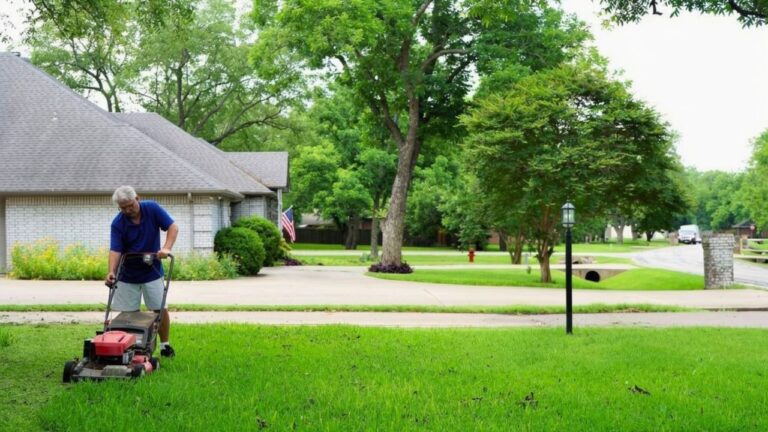
Heat can make fuel problems worse, especially in small engines. Mowers, weed eaters, generators, pressure washers, chainsaws, and tillers already get finicky when fuel sits too long. Add a hot shed or garage, and that machine may not be ready when the job is.
Texas homeowners love to blame the mower when it will not start, but a lot of the time the problem started with storage. Old fuel, dirty air filters, clogged carburetors, worn spark plugs, and overheated storage spaces all add up.
Do not let equipment sit all summer with questionable fuel. Use fresh fuel, maintain filters, keep equipment shaded when possible, and run generators before storm season instead of assuming they will start when the power goes out.
Leaving outdoor furniture uncovered
Texas sun is rough on outdoor furniture. Cushions fade, plastic gets brittle, wood dries out, metal gets too hot to touch, and cheap covers crack faster than people expect. A patio set can look great in spring and tired by late summer if it sits in full sun every day.
This is one of those costs that sneaks up slowly. One cushion splits. A chair strap weakens. The umbrella fades. The table finish starts peeling. Then the whole setup looks older than it is.
Covers, shade, storage boxes, and moving cushions out of direct sun can help. It is not about babying outdoor furniture. It is about not letting Texas summer age it five years in one season.
Forgetting about hoses and irrigation parts
Garden hoses, sprinkler heads, drip tubing, timers, fittings, and plastic connectors can all take a beating in summer. Sun exposure can make hoses crack, cheap plastic fittings brittle, and timers glitch when they are left exposed to heat and weather.
That matters because irrigation problems can waste water and money. A cracked hose or broken sprinkler head may not seem like a big deal until it runs for an hour and floods the wrong spot. A timer that fails during a hot week can leave plants burned up before anyone notices.
Walk the yard and check the watering setup before summer is in full swing. Look for leaks, sun-damaged hoses, broken heads, clogged emitters, and timers that need fresh batteries or shade.
Storing propane, gas, and chemicals carelessly
Texas heat and careless storage do not mix. Gasoline, propane cylinders, pool chemicals, fertilizers, pesticides, paint, solvents, and cleaners need to be stored safely and according to their labels. A hot garage full of random containers is not something to shrug off.
This is especially important for families with kids, pets, barns, sheds, and outdoor equipment. Heat can increase pressure in containers, damage packaging, and make spills or fumes more concerning. Chemicals also should not be mixed or stored where they can leak into each other.
Read the label, keep containers sealed, store them upright, and avoid keeping them in direct sun. Boring storage habits prevent expensive and dangerous mistakes.
Texas heat does not give much warning
The thing about Texas summer is that it does not wait for people to get organized. One week the weather feels manageable, and the next the car is struggling, the dog is panting, the mower will not start, and the patio cushions look fried.
The fixes are not complicated. Check the battery. Watch the tires. Keep pets out of dangerous heat. Never leave children or animals in parked cars. Store tools, chemicals, and equipment properly. Protect outdoor furniture. Keep irrigation working. Treat heat like something that can damage more than your mood.
Texas heat is part of living here. Letting it wreck the stuff you depend on does not have to be.