Texas Homeowners Are Ignoring This Storm Damage Sign — And It Could Cost Thousands Later
After a hard Texas storm, most homeowners do the same quick check.
They look for broken windows. They check the fence. They walk around the driveway to see if the truck took any hail damage. If nothing obvious is torn up, it is easy to think the house made it through just fine.
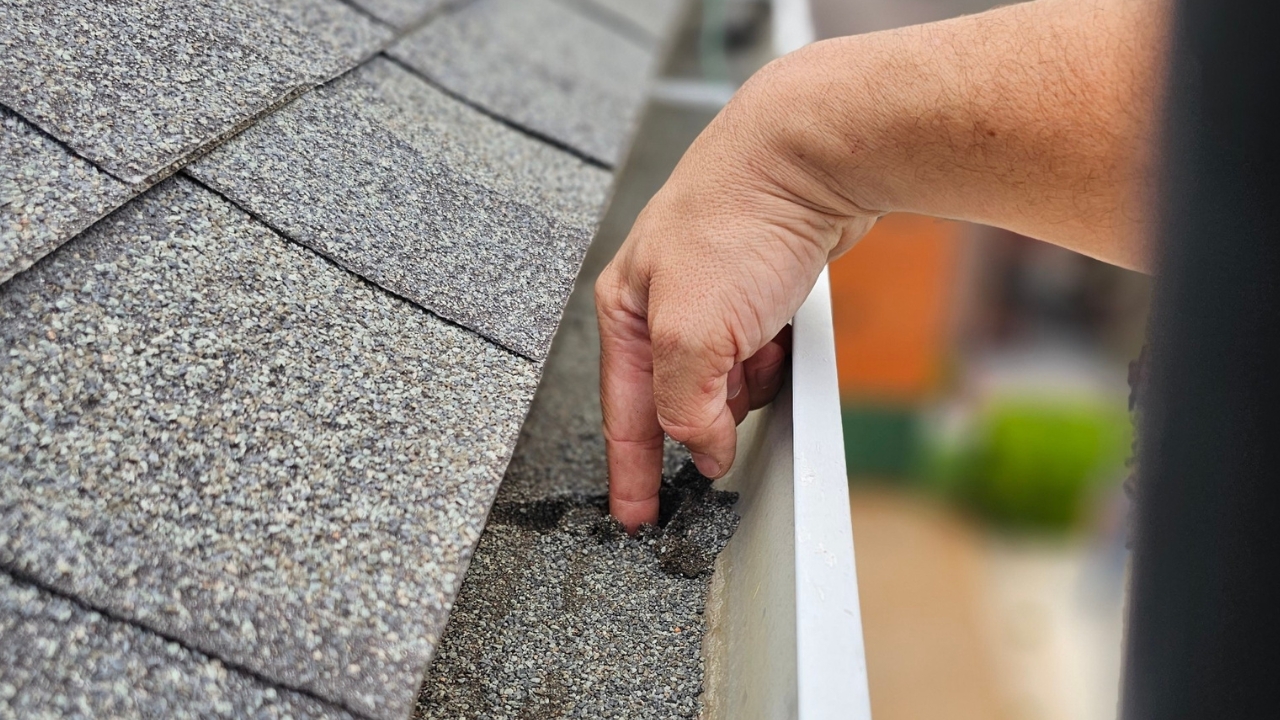
But one of the most overlooked storm damage signs is also one of the most important: shingle granules washing out near your downspouts, gutters, driveway, or flower beds.
Those little sandy-looking pieces may not seem like much, but they can tell you a lot about what just happened to your roof.
Asphalt shingles are made with protective granules on the surface. Those granules help shield the roof from sun, weather, and everyday wear. When hail or strong wind damages shingles, those granules can loosen and wash down with the rain. Progressive notes that loose, sand-like granules and cracked shingles can be common indicators of hail damage, and gutters may also become clogged with those granules after a storm.
That matters in Texas because our storms do not always give homeowners a clean, obvious warning sign. Sometimes there is no tree on the roof. Sometimes the shingles are not scattered across the yard. Sometimes the first clue is just a pile of dark grit sitting at the end of a downspout.
And by the time a homeowner notices a ceiling stain months later, the problem may already be bigger.
Texas storms can bring a rough mix of hail, wind, lightning, and heavy rain. NOAA’s National Severe Storms Laboratory says damaging thunderstorm winds are generally those exceeding 50 to 60 mph, and hail can damage homes, vehicles, livestock, and people. That combination can be hard on a roof, especially one that is already aging.
The tricky part is that roof damage is not always dramatic from the ground.
A few missing granules today can turn into exposed shingle material later. Exposed shingles can age faster under the Texas sun. Once shingles weaken, the roof may become more vulnerable during the next storm. That is how a small warning sign can become a much more expensive repair.
Homeowners should also look for dents on gutters, downspouts, roof vents, metal flashing, window screens, and outdoor AC units. If soft metal around the house is dinged up, there is a good chance the roof took some impact too.
That does not mean every storm requires panic or an immediate insurance claim. It means homeowners should slow down and inspect carefully after serious weather passes.
A good routine is simple: once it is safe outside, walk the property from the ground. Look near downspouts for shingle granules. Check gutters for clogs or dents. Look for lifted, curled, cracked, or missing shingles. Check the attic for any signs of moisture. Inside the house, keep an eye out for ceiling stains, bubbling paint, or musty smells after heavy rain.
And for safety, do not climb onto a wet or damaged roof just to take a closer look. A professional roof inspection is a better choice, especially after hail or strong winds.
The wise move is to catch problems early, document what you see, and keep photos from right after the storm. That can help if you need a contractor, an insurance conversation, or just a clear record of what changed.
In Texas, home maintenance is not just about keeping things pretty. It is about staying ahead of the next round of weather. A few sandy piles near the gutter may not look like much, but they can be your first clue that the roof needs attention before the next storm makes the decision for you.

Arlie Howard contributes coverage on consumer issues, family-focused stories, household concerns, scams, local cost-of-living topics, and real-life situations that affect Texas readers.
Her work focuses on explaining what happened clearly and helping readers understand the details that may matter most.