An alligator was found shot with an arrow near Lake Palestine — then the suspect tried to swim away
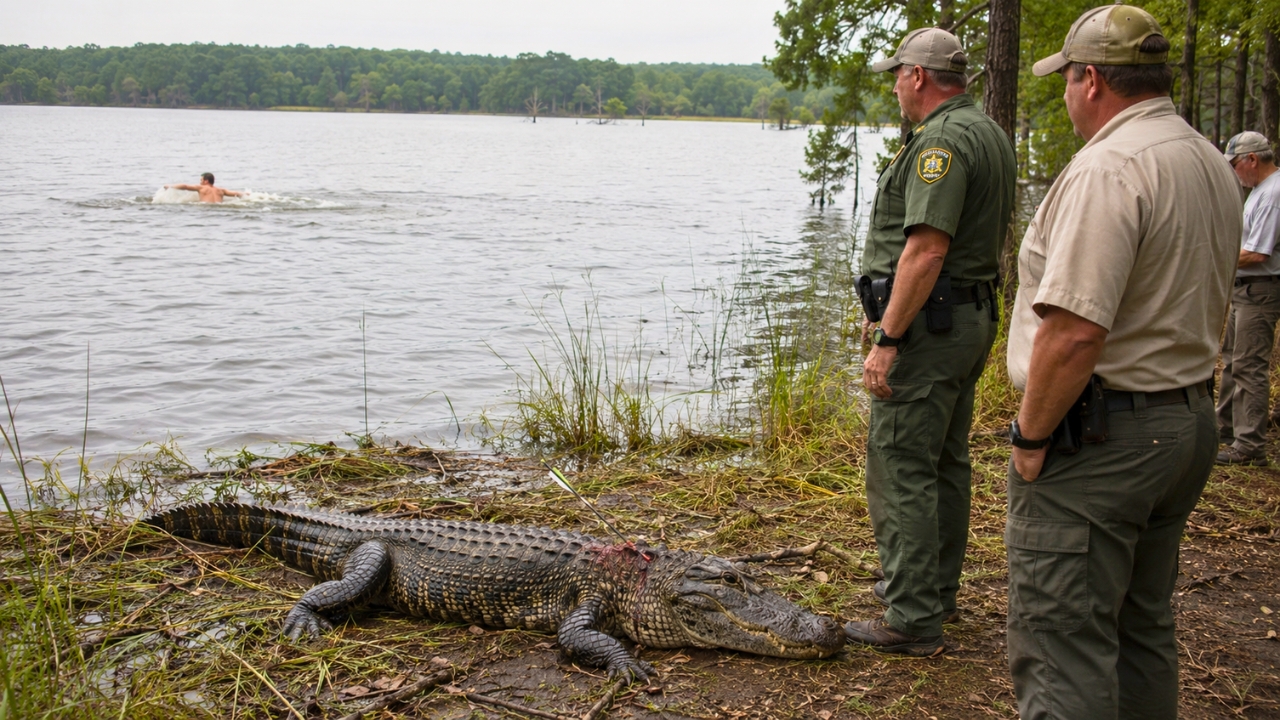
The call started with an alligator poaching tip on the Neches River. By the time Texas Game Wardens arrived near the Lake Palestine Spillway, the case had turned into something much stranger.
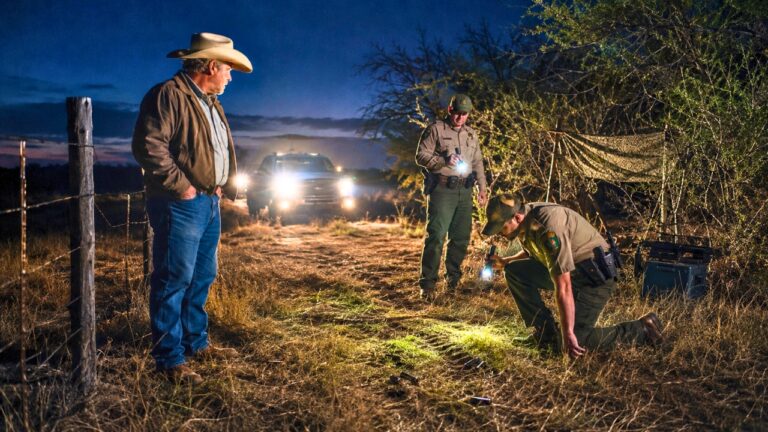
Wardens from Anderson, Henderson, and Smith counties responded after an anonymous caller reported possible alligator poaching in East Texas. When they got to the area, they found a 4.5-foot alligator that had been shot with a compound bow behind the Lake Palestine Spillway, according to the Texas Parks and Wildlife field notes republished by the Gladewater Mirror.
That alone would have been enough for a serious case. But wardens said the situation did not stop with the shot.
After the alligator was wounded, the suspect allegedly jumped into the river to retrieve it. Two other people helped kill the alligator with a knife, then the group began taking pictures and video to post on social media, according to the field notes.
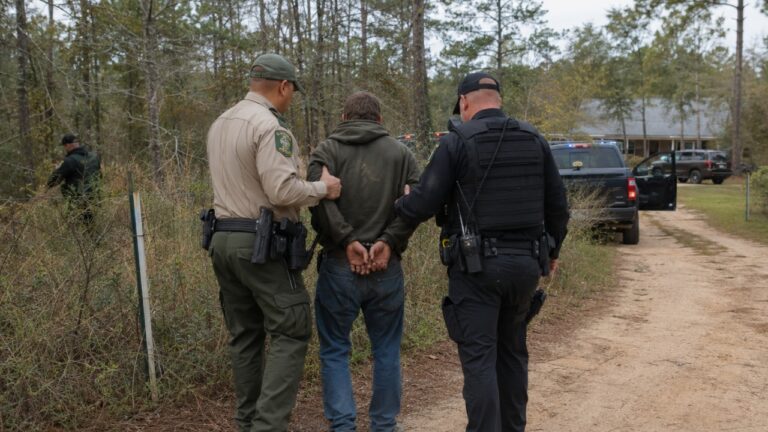
By the time wardens made contact, the two other people had already left the scene with the alligator. The person accused of shooting it was still nearby, but he did not exactly walk over and start answering questions.
Officials said the shooter initially swam to the other side of the river. Eventually, he came back and spoke with the Henderson and Smith County game wardens.
That gave investigators a starting point, but not the whole picture. The alligator was gone. The other two people were gone. Wardens still had to figure out who was involved, what happened, and whether there was enough evidence to file cases.
According to the report, wardens interviewed the shooter and pieced together a timeline. Their search for the alligator and the two other people did not get far at first, but the investigation shifted when the shooter provided video to the Anderson County game warden. That video helped identify the other individuals involved.
The resulting cases included hunting alligator during a closed season and hunting without a license. Civil restitution was also pending, according to the field notes.
The case is the kind of thing that sounds almost too strange to be real, but it also shows why social media has become part of so many wildlife investigations. People may think a photo or video is only being shared with friends, but once it exists, it can also become evidence.
In this case, the same impulse to record the moment appears to have helped wardens connect more of the dots.
It also shows how quickly a wildlife violation can move from “bad idea” to a multi-county investigation. Alligators are regulated in Texas, and hunting them is not as simple as grabbing a bow and heading to the water. Licenses, seasons, tags, location rules, and legal methods all matter.
That is especially true around public water and high-use areas where other people may be fishing, boating, or passing through. Lake Palestine and the surrounding waterways are not some forgotten back corner of Texas. They are places where locals spend time, which makes an illegal wildlife kill even more likely to draw attention.
The anonymous caller who reported the suspected poaching may not have known every detail, but the call put wardens in the right place at the right time. From there, investigators had to sort through the river crossing, the missing alligator, the video, the other suspects, and the legal violations tied to the kill.
By the end of it, the strangest detail might not have been the alligator itself.
It might have been that someone allegedly shot it with a bow, jumped into the river after it, helped turn the moment into social media content, and still ended up coming back across the water to talk to game wardens.
Grady Howard contributes coverage on Texas public-interest stories, household costs, transportation, weather-related concerns, safety alerts, and consumer topics.
His reporting is built around practical context — what changed, why it matters, and what readers should pay attention to next.