Houston Renter Says Neighbor’s Weed Smoke Filled Their Condo for Years — Then Management Told Them to Call Police
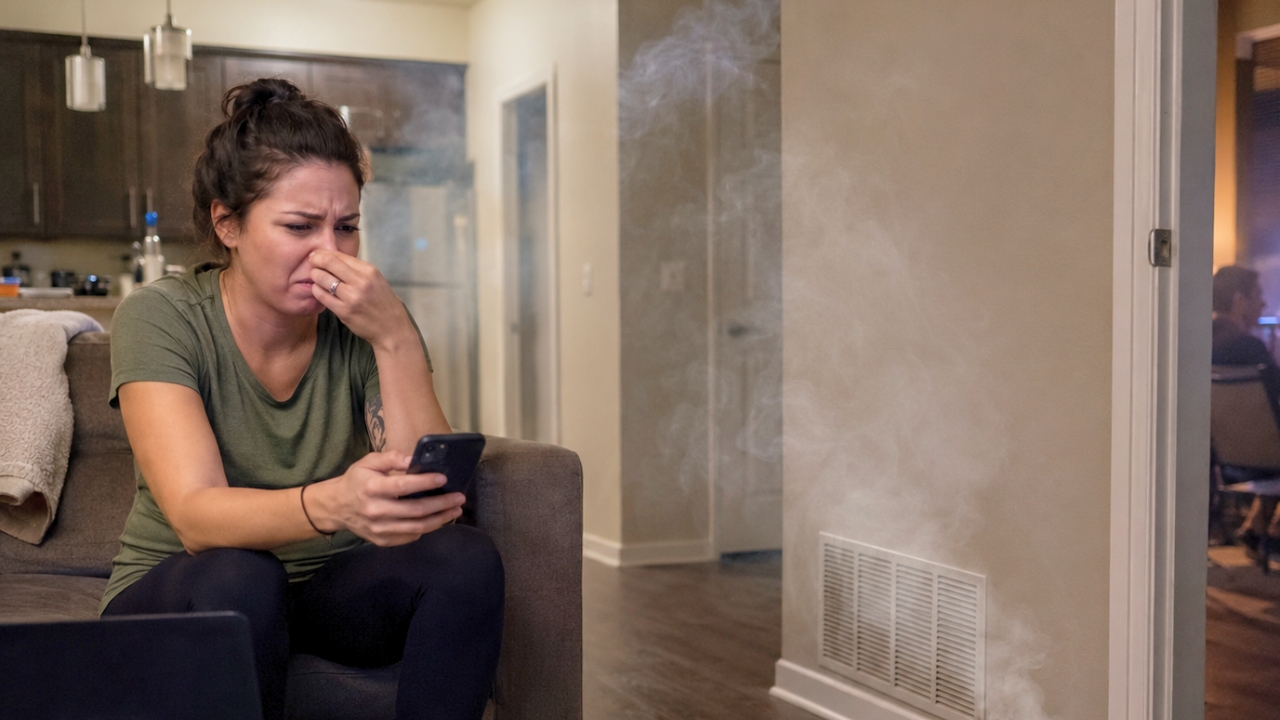
A Houston renter said a long-running problem with marijuana smoke drifting into their condo became so bad that guests noticed it, family members worried about them, and property management eventually told them to call police instead of handling it directly.
The renter, who said they had lived in the same rented condo for eight years, shared the situation in a post on r/houston, asking whether calling HPD over apartment neighbors smoking weed was even something police would respond to. The renter said they had already complained to the condo management company several times and were eventually told to call police if the issue continued.
According to the post, the smell had been a problem for so long that the renter originally thought it was coming from old tenants or had somehow settled into the vents. They described the odor as strong enough that one visiting friend assumed the renter was already smoking inside and began lighting up. Another time, the renter said their mother visited and grew concerned, thinking the smell meant they were smoking all day and possibly struggling emotionally.
That part, the renter said, was embarrassing. They stressed that the issue was not occasional smoke or a moral objection to marijuana. The problem, in their telling, was the frequency and the way it appeared to seep into their home.
The renter said they and their husband both often worked from home and could smell it throughout the day. They described a pattern that sometimes began around 10 a.m. and continued every couple of hours until as late as 4 a.m. They said they had tried air purifiers, candles, incense, and other ways to mask the odor, but those fixes only made their own home feel more uncomfortable.
The frustration was made worse by what the renter saw as inconsistent enforcement from property management. In the same post, they described a previous noise complaint situation where they were fined multiple times over a loose ceiling fan that was apparently bothering an upstairs neighbor. The renter said management did not clearly explain the issue at first, so they eventually left notes and cookies for surrounding neighbors to figure out what was happening.
That experience made the current smoke issue feel even more unfair. In their view, management had been quick to fine them over a mechanical noise problem, but when smoke was affecting their own living space, the response shifted to telling them to involve police.
The renter said they did not want to call HPD. Part of the hesitation came from not knowing whether there was a legal basis for it. They also suspected officers would not treat the call as a priority, and said they worried the neighbor simply would not answer the door anyway.
Still, the renter wondered whether making one call would at least give them something to report back to management. They said they felt stuck between not wanting to escalate the situation and not wanting to keep living with smoke inside their unit.
The post also explained why they had not simply knocked on the neighbor’s door. The renter said management had already notified the neighbors about the complaint, yet the behavior continued. They worried that if they personally approached the neighbors and later had to keep filing complaints, it would become obvious who was reporting them and make the living situation more tense.
The renter added that they otherwise liked living there. They described the complex as an older, smaller condo property in the Upper Kirby area, close to family and relatively affordable for a two-bedroom inside the loop. That made moving feel like an extreme solution for a problem they believed could be handled with basic consideration, like smoking outside or using the patio.
The responses were sharply divided.
Some commenters thought the renter was skipping the most obvious first step by not talking to the neighbors directly. Several argued that calling police before having a basic conversation would make the situation worse and could turn an annoying neighbor problem into a much bigger conflict.
Others pushed back on the idea that the renter was overreacting. A few said indoor smoke traveling between units is miserable to live with, especially when it happens all day. Some suggested leaving an anonymous note asking the neighbors to open windows, smoke outside, or change their setup.
Another common response was that the smoke might be less of a police issue and more of a building or ventilation problem. Commenters pointed out that air should not be moving that strongly from one unit into another, even if the neighbors are smoking heavily.
Several people told the renter to review the lease, HOA rules, or condo bylaws to see whether the property had a no-smoking policy or nuisance rule that management was failing to enforce. Others said the management company, not HPD, should be the main pressure point if the issue was affecting the renter’s ability to live comfortably in the unit.
By the end of the thread, the renter appeared to be leaning toward a less explosive next step. They said they might try an anonymous note and also planned to reach back out to management or the HOA for clearer answers.
The outcome was not a clean resolution. Instead, it left the renter in the middle of a very Houston kind of apartment standoff: one neighbor’s private habit, another neighbor’s home filling with smoke, and a management company seemingly willing to punt the whole mess to police.

Abbie Clark founded The Texas Reader to give Texas readers a clearer, more practical place to follow the stories affecting their homes, wallets, families, and communities.
As founder and editor, she oversees the site’s editorial direction, sourcing standards, corrections process, and daily coverage priorities. Her focus is on stories that are useful, understandable, and connected to real life.