Mom Stopped Inviting Her Husband’s Family to Her Child’s Birthday After They Called the Little Girl a “Mistake”
The comment happened at dinner, but the damage showed up later at bedtime.
That is usually how it goes with children. Adults say something careless in the room, maybe even laugh it off, and for a few minutes it seems like the child did not notice. Then the house gets quiet. The lights are low. The parent is tucking them in. And suddenly the question comes out.
“What does that mean?”
That was the moment this mother could not shake.
She and her husband were young parents. She was 25, he was 26, and they had been together for five years. Their daughter was four. The little girl had not been planned, but the mother was clear that she had no regrets. She loved her daughter, wanted her daughter, and did not see her as some burden that ruined anyone’s life.
Her husband’s family seemed to feel differently.
In the Reddit post, “AITA for deciding not to invite my husband’s family to my kid’s birthday party after they called her a mistake?”, the mother said her in-laws had always been cold toward her. She had also noticed that they did not treat her daughter the same way they treated the other grandchildren.
That kind of thing is hard to prove in one single moment. It is usually a collection of little differences. The way one child gets less attention. The way adults talk over her. The way affection feels thinner. The way a grandparent seems more comfortable with the other kids.
A parent notices.
Then, during a late dinner at her mother-in-law’s house, the family was talking about what the husband had been like as a teenager. The mother-in-law joked that he used to be carefree before he had to settle down so quickly. Then she added the part that crossed the line.
She referred to the couple’s daughter as an “oopsie baby.”
And she said it right in front of the child.
To an adult, someone might try to pass that off as a joke. A clumsy one. A tired one. A comment that should not be taken too seriously. But children do not hear things with adult defenses built in. They hear the words. They notice the tone. They pick up on the way everyone else reacts.
The mother was furious.
The family left soon after because it was late anyway, but the comment came home with them. That night, while the mother was tucking her daughter into bed, the little girl asked what an “oopsie baby” was.
That is a heartbreaking question for a four-year-old to have to ask.
The mother tried to explain it gently. She told her daughter that sometimes people have kids by accident, but that does not make them any less special. It was probably the best answer she could manage in the moment. She had to turn an ugly comment into something safe enough for a child to hold.
But after her daughter went to sleep, the mother told her husband she was done.
She did not want his mother around their daughter if she was going to say things like that. The last thing she wanted was for her little girl to start wondering whether she was wanted. So she decided she would not invite her husband’s family to the child’s fifth birthday party the next month unless they apologized.
That is where the conflict shifted from mother-in-law drama to marriage tension.
Her husband thought she was overreacting. He said it was a small comment. He argued that his mother was tired. He told his wife she was not allowed to uninvite his family, especially over something like that.
But from the mother’s side, it was not “something like that.”
It was not just one awkward word. It was one more piece of a pattern, said directly in front of a little girl who was now old enough to ask what the insult meant. It also carried a message underneath it: before this child, her father’s life was freer, easier, and maybe better.
That is a terrible thing to let a child absorb.
The husband may have been used to his family’s way of talking. In the comments, the mother later explained that he grew up being criticized and having comments like that said to him, so he did not seem to recognize how serious it was. That is its own kind of sadness. Sometimes people grow up around sharp words for so long that they stop hearing the cut.
But the mother heard it.
And she saw where it could lead.
A child who is treated differently from cousins will eventually notice. A child who hears herself described as an accident will eventually understand. A child whose father stays quiet may eventually decide the silence means agreement.
That was what the mother was trying to prevent before it became normal.
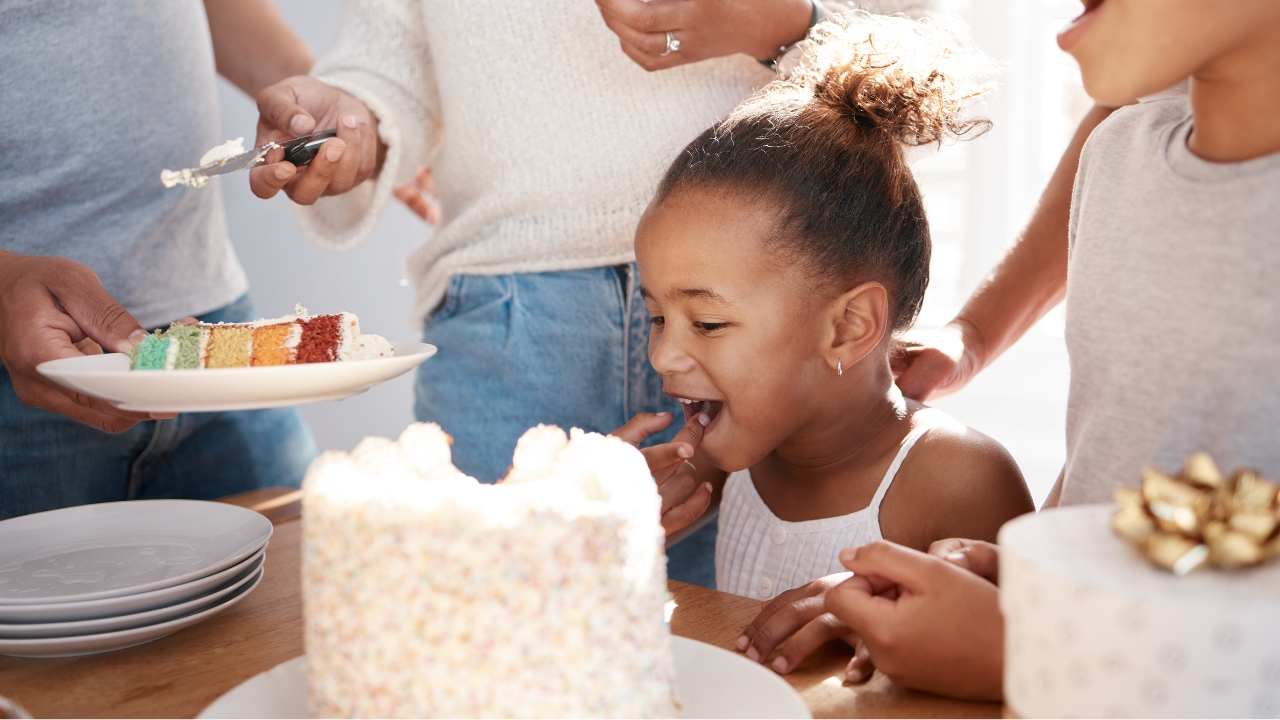
Birthdays are supposed to be one of the safest days in a child’s life. A day where the people around them show up to celebrate that they exist. Not a day where the adults who have already made hurtful comments get another chance to make the child feel like she is less wanted than everyone else.
The mother did not say the in-laws could never be around again. She said they needed to apologize before being invited. That was not an unreasonable bar. If a grandparent says something hurtful in front of a child, an apology is the smallest repair available.
But her husband’s reaction left her feeling alone.
She was not just fighting a mother-in-law’s careless mouth. She was fighting the family habit of minimizing it afterward.
That can be the harder battle. The original comment hurts. The denial afterward teaches everyone that the hurt does not count.
What commenters said
Commenters strongly sided with the mother.
Many said the issue was not only the phrase “oopsie baby,” but the message behind it. The grandmother was not simply saying the pregnancy was unplanned. She was implying that the child had forced her father to settle down and lose his carefree life. Several commenters said that is the kind of remark a child can remember for years.
A lot of people focused on the husband. They said he needed to stop excusing his parents and start protecting his daughter. Some pointed out that he may have grown up around criticism and learned to treat it as normal, but that did not mean his child should have to inherit the same treatment.
Others suggested reframing the language for the little girl in a loving way. Instead of letting “oopsie baby” mean unwanted, the mother could explain that some babies are surprises, and that her parents were overwhelmed with love when they learned she was coming.
But commenters were also clear that reframing would not fix the larger problem if the grandmother kept making cruel comments. The mother could reassure her daughter at home, but the in-laws still needed boundaries.
The strongest message was that children hear more than adults think. A four-year-old asking what “oopsie baby” means is already proof that the comment landed. The mother was not overreacting by wanting an apology before the birthday party. She was trying to make sure her daughter’s birthday was filled with people who were grateful she existed.

Arlie Howard contributes coverage on consumer issues, family-focused stories, household concerns, scams, local cost-of-living topics, and real-life situations that affect Texas readers.
Her work focuses on explaining what happened clearly and helping readers understand the details that may matter most.