Why Texans Are Checking Their Home Foundations Before Summer Cracks Get Worse
Foundation talk is one of those Texas homeowner conversations that sounds dramatic until you live here long enough. Then you start noticing the little things. A door that used to close cleanly suddenly sticks. A hairline crack shows up above a window. The brick line looks a little different near the garage. The soil pulls away from the edge of the slab after a dry stretch, and everyone in the neighborhood starts comparing notes like they are amateur structural engineers.
That is Texas for you. The ground moves, the weather swings, and houses feel it.
Summer is when a lot of homeowners start paying closer attention because dry heat can make existing foundation concerns easier to spot. It does not mean every crack is a disaster. Homes settle, materials expand and contract, and not every line in drywall means the house is in trouble. But in a state with plenty of expansive clay soil, ignoring changes around the foundation is not a great strategy either.
Texas soil is part of the problem
Much of North and Central Texas sits on clay-heavy soil that expands when wet and shrinks when dry. That movement can put stress on slabs, driveways, sidewalks, patios, plumbing lines, and brickwork over time.
A University of Texas at Arlington foundation-maintenance guide explains that expansive clay soils swell when they get wet and shrink when they dry, creating seasonal movement that can affect homes. The guide also notes that large tension cracks in yards are often easy to see during summer months.
That is the part homeowners see in real life. After a dry stretch, gaps can open between the soil and the slab. Then a heavy rain comes through and water rushes into those gaps instead of soaking in evenly. The house is left sitting on ground that is not moving the same way everywhere.
Summer cracks deserve a closer look
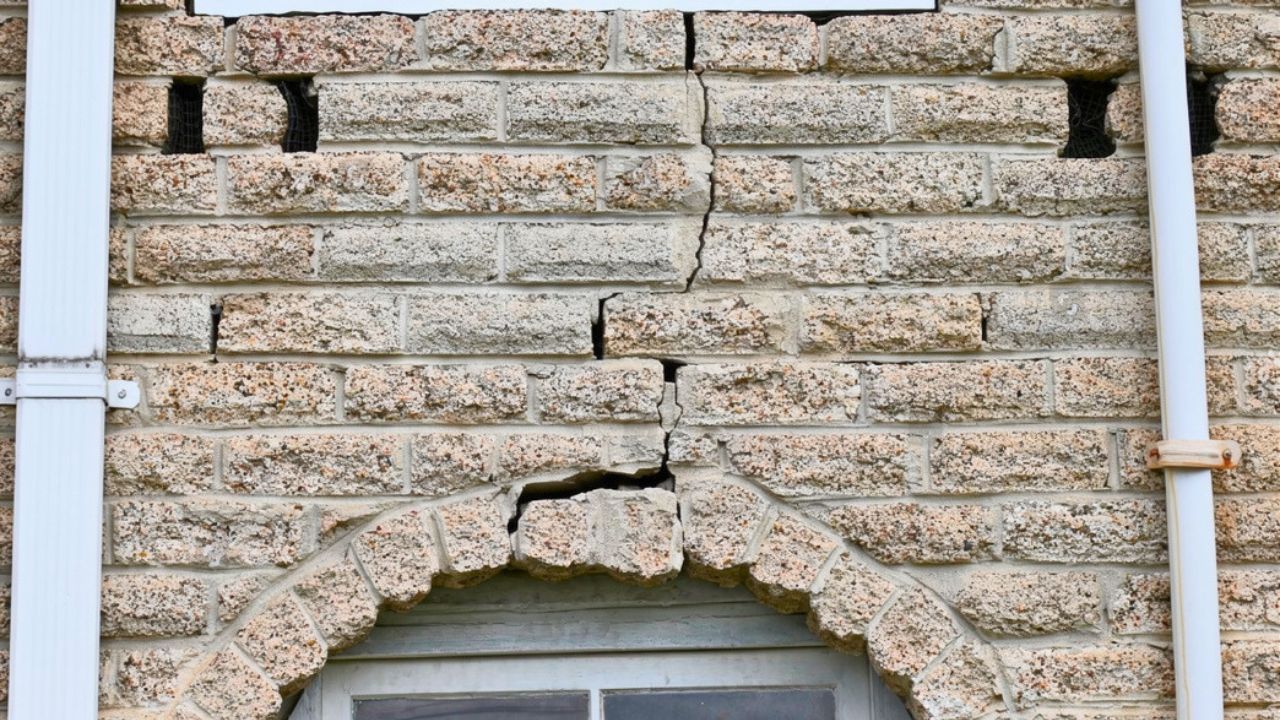
Not every crack is worth panicking over. A tiny drywall crack near a door frame can be cosmetic. A small exterior mortar crack may be old. But new cracks, widening cracks, stair-step cracks in brick, or cracks that show up with sticking doors and uneven floors deserve more attention.
Homeowners should take photos when they first notice a crack. Put a date on it. Check it again after a few weeks. If it gets longer, wider, or shows up in several areas at once, that is useful information for a foundation specialist or structural engineer.
The mistake is pretending you will remember what it looked like. You probably will not. A photo record is boring, but it is better than standing in the hallway later wondering whether that crack doubled in size or you are just imagining it.
Doors and windows can tell on the house
A sticking door is one of those signs Texans love to argue about. Sometimes it is humidity. Sometimes it is the door frame. Sometimes it is paint. Sometimes it is the foundation moving enough to shift the frame.
The pattern matters. One sticky door after a rainy week may not mean much. Multiple doors that suddenly will not latch, windows that are harder to open, cabinet gaps that change, or interior trim pulling apart can point to movement in the house.
This is where homeowners should slow down and look at the whole picture. Foundation concerns usually do not show up as one perfect clue. They show up as a cluster: cracks, door problems, sloped floors, exterior gaps, brick movement, and soil pulling back from the slab.
Watering the foundation is about consistency, not flooding the yard
You will hear a lot of advice in Texas about watering the foundation. Some of it is helpful. Some of it turns into people soaking the yard like they are trying to grow rice.
The goal is not to flood the foundation. The goal is consistent soil moisture around the home. Big swings are the enemy. Soil that gets bone dry and then suddenly saturated can move more dramatically than soil that stays more even.
Homeowners should use common sense here. Water restrictions matter. Drainage matters. The type of soil matters. Sprinklers should not spray directly against the house for hours, and standing water near the slab is not good either. The better approach is keeping the soil from pulling far away from the foundation during dry periods while also making sure water drains away from the structure.
Gutters and drainage are not optional details
A lot of foundation trouble starts with water going where it should not. Missing gutters, clogged gutters, short downspouts, bad grading, and low spots near the house can all send water toward one area of the foundation while another area stays dry.
That uneven moisture is where problems start. One side swells. Another side shrinks. The slab gets pressure from different directions. Then homeowners start seeing cracks and gaps and wonder why the house is acting up.
Before summer gets rough, walk around the house after a rain. Watch where water goes. If it pools against the slab, cuts channels through flower beds, pours over the gutter edge, or dumps right beside the house, that is a fix-it-now situation. Not glamorous. Not fun. But cheaper than letting water keep working against the structure.
Trees can pull moisture from the soil
Trees are one of the best things a Texas yard can have, especially when the heat starts cooking everything. Shade matters. But large trees planted too close to the house can affect soil moisture around the foundation.
Roots pull water from the soil, and during dry months that can make nearby soil shrink more. That does not mean homeowners should start cutting down every tree within sight. It means they should pay attention to where large trees sit, how close they are to the slab, and whether cracks or movement seem worse near that side of the home.
If a tree is large, close to the house, or showing root or limb issues, it may be worth talking to an arborist before making big decisions. Bad tree work can create its own problems.
Plumbing leaks can make foundation issues worse
In Texas, slab foundations and plumbing concerns can overlap in a frustrating way. A plumbing leak under or near a slab can change moisture levels in the soil, and that moisture change can affect movement. On the other hand, foundation movement can sometimes stress plumbing lines.
Homeowners should pay attention to signs that are not just structural: unexplained water bills, warm spots on the floor, mildew smells, running water sounds when nothing is on, low water pressure, or wet spots around the foundation.
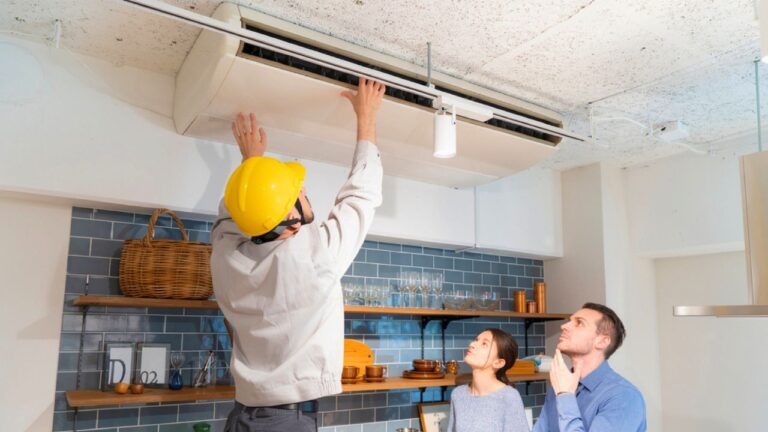
A foundation company may not be the only call needed. Sometimes a plumber needs to rule out leaks before anyone makes assumptions about what is happening under the house.
Insurance may not save the day
This is the part homeowners hate hearing: foundation repairs tied to gradual soil movement, settling, or poor drainage are often not covered by standard homeowners insurance. Coverage depends on the policy and the cause, but many common Texas foundation problems fall into the “maintenance/settling/soil movement” bucket rather than a sudden covered event.
That is why homeowners should read their policy before they need it. Some foundation-related damage may be covered if it is tied to a covered plumbing leak or another covered peril, but no one should assume a foundation repair bill will automatically become an insurance claim.
The Texas Department of Insurance advises homeowners to read their policies carefully and understand what is and is not covered, especially around water damage and exclusions.
Small maintenance beats big surprises
The practical foundation checklist is not complicated. Keep moisture more consistent around the slab. Make sure gutters work. Move water away from the house. Watch for soil pulling back from the foundation. Take photos of new cracks. Pay attention to doors, windows, floors, brick, and trim. Check for plumbing leaks. Do not ignore drainage.
None of that guarantees a Texas home will never have foundation trouble. This state’s soil and weather do not hand out guarantees. But these checks can help homeowners catch small problems before they become bigger, more expensive ones.
And frankly, that is the whole Texas homeowner game. You do not wait for summer to tell you what you should have fixed in spring. You look early, document what is changing, and deal with the boring stuff before the house starts giving you louder hints.

Grady Howard contributes coverage on Texas public-interest stories, household costs, transportation, weather-related concerns, safety alerts, and consumer topics.
His reporting is built around practical context — what changed, why it matters, and what readers should pay attention to next.