Why Fort Worth Keeps Pulling Families Who Want City Access Without Dallas Energy
Fort Worth has always had its own personality, and people who live there will tell you that before you finish asking. It is not Dallas-lite. It is not the western edge of someone else’s metroplex story. Fort Worth has its own downtown, its own pace, its own neighborhoods, its own traffic headaches, and its own way of making a big city feel a little less like it is trying to prove something.
That is part of why families keep looking west.
For people who want access to jobs, hospitals, restaurants, museums, events, airports, shopping, and big-city services without feeling like they are living inside Dallas’ constant buzz, Fort Worth can look like a better fit. It is still a major city. It still has congestion, growth pressure, housing costs, and plenty of construction. But the rhythm feels different, and for a lot of families, that difference matters.
Fort Worth is not small anymore, either. The city says its population reached 1,008,106 as of July 1, 2024, marking the first time it crossed the 1 million mark. It is now the 11th-largest city in the United States by population.
Fort Worth gives families big-city access without the same feel
A lot of families do not want to be cut off from city life. They still want museums, restaurants, sports, colleges, hospitals, concerts, airports, and job centers close enough to use. But they also do not want every weekend errand to feel like a fight through Dallas traffic and glass-tower energy.
Fort Worth sits in that middle space. It is a real city, not a sleepy suburb, but it has neighborhoods and districts that feel more grounded. There are older homes, newer developments, walkable areas, family neighborhoods, and enough local identity that people can build a life around the city instead of only using it as a place to sleep.
That mix is why Fort Worth keeps attracting families who want the benefits of a major metro area without feeling like every decision has to run through Dallas.
The Stockyards still give the city a strong identity
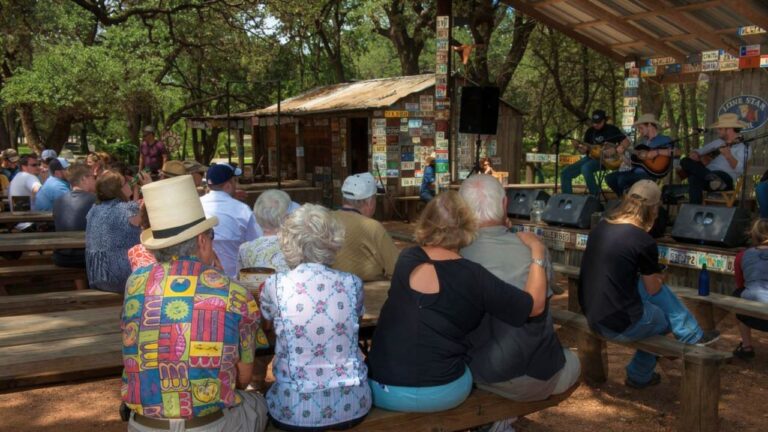
Every Texas city likes to claim it has character, but Fort Worth has a pretty strong argument. The Stockyards are not just a tourist strip. They are part of the city’s public identity, drawing locals, visitors, school trips, families, and out-of-town relatives who want the Fort Worth version of Texas.
The Fort Worth Stockyards promote Western heritage, live music, rodeos, shopping, dining, and attractions, and the district’s own site points visitors to staples like the twice-daily cattle drive and Billy Bob’s Texas.
That matters for families because a city with a real identity feels different from a place built only around subdivisions and shopping centers. Fort Worth has the Stockyards, the Cultural District, downtown, Sundance Square, the zoo, TCU, parks, and neighborhoods that all carry their own personality. You can actually explain Fort Worth to someone without saying, “It’s near Dallas.”
Growth is making Fort Worth more complicated
Here is the part nobody should gloss over: Fort Worth’s growth is not some cute little trend. It is a major-city issue now.
When a city crosses 1 million people, the old “Fort Worth is calmer” line needs a footnote. It may still feel less frantic than Dallas in some ways, but more people means more traffic, more housing demand, more school pressure, more road work, more infrastructure needs, and more neighborhoods changing faster than longtime residents expected.
The Census Bureau’s QuickFacts page also lists Fort Worth’s 2024 estimated population at 1,008,106, up from its 2020 base, which helps explain why the city feels busier than it used to.
Families moving in should not expect a quiet town. Fort Worth is a major city with major-city growth problems. The appeal is that it still manages to feel different from Dallas, not that it has escaped the pressures of North Texas growth.
Housing can feel more approachable, depending on where you look
One reason families compare Fort Worth with Dallas is housing. Depending on the neighborhood, Fort Worth can sometimes feel more approachable than the most expensive Dallas-area pockets. Families may find more yard, older charm, newer suburban-style communities, or a monthly payment that makes more sense than what they are seeing closer to central Dallas or in some northern suburbs.
But “more approachable” does not mean easy. Fort Worth housing has also gotten more expensive, and the full cost of ownership still includes property taxes, insurance, utilities, commuting, repairs, HOA fees in some neighborhoods, and maintenance.
That is especially true for older homes. Fort Worth has beautiful older neighborhoods, but charm can come with old plumbing, old electrical systems, foundation movement, roof age, drainage issues, and higher cooling costs. A house can look like a better deal until the inspection starts talking.
The commute depends heavily on where life actually happens
Fort Worth works especially well for families whose jobs, schools, relatives, churches, and weekend life are on the west side of the metroplex. It can get trickier when someone is still commuting into Dallas, Plano, Richardson, Irving, or other east/north job centers several days a week.
The drive between Dallas and Fort Worth is not something to romanticize. I-30 can turn moody fast. Weather, wrecks, events, construction, and rush hour can make that “not too bad” commute feel like a bad life choice by Thursday.
Families considering Fort Worth need to test the commute in real conditions. Not on a Saturday afternoon. Not during a holiday week. Drive it when you would actually drive it. If the whole move depends on one person tolerating that route, be honest about whether that person will still feel fine after six months.
Downtown Fort Worth gives families options without always needing Dallas
Downtown Fort Worth has its own pull, and that helps the city stand on its own. Sundance Square covers a 37-block entertainment district with shopping, dining, live music, and theater, according to Visit Fort Worth.
For families, that means date nights, family outings, Christmas events, restaurants, performances, and visitors can often be handled locally. You do not have to drive to Dallas every time you want a downtown experience.
That independence matters. The more Fort Worth offers within its own city limits, the less it feels like a compromise. Families are not only choosing “cheaper than Dallas” or “farther from Dallas.” They are choosing Fort Worth as the main event.
The cultural district is a serious family perk
Fort Worth’s cultural side is not just nice-to-have. For families, it can be a real quality-of-life perk. Museums, the zoo, gardens, parks, libraries, events, and educational outings give parents options beyond malls and chain restaurants.
This is one of Fort Worth’s underrated strengths. It can feel family-friendly without feeling bland. You can take kids to something educational, meet friends for lunch, go to a stock show event, walk around downtown, or spend a morning in a museum district without turning every outing into an all-day production.
That is the kind of stuff families notice once they actually live somewhere. The house matters, but so does what the weekends look like.
Fort Worth still has traffic, just a different flavor
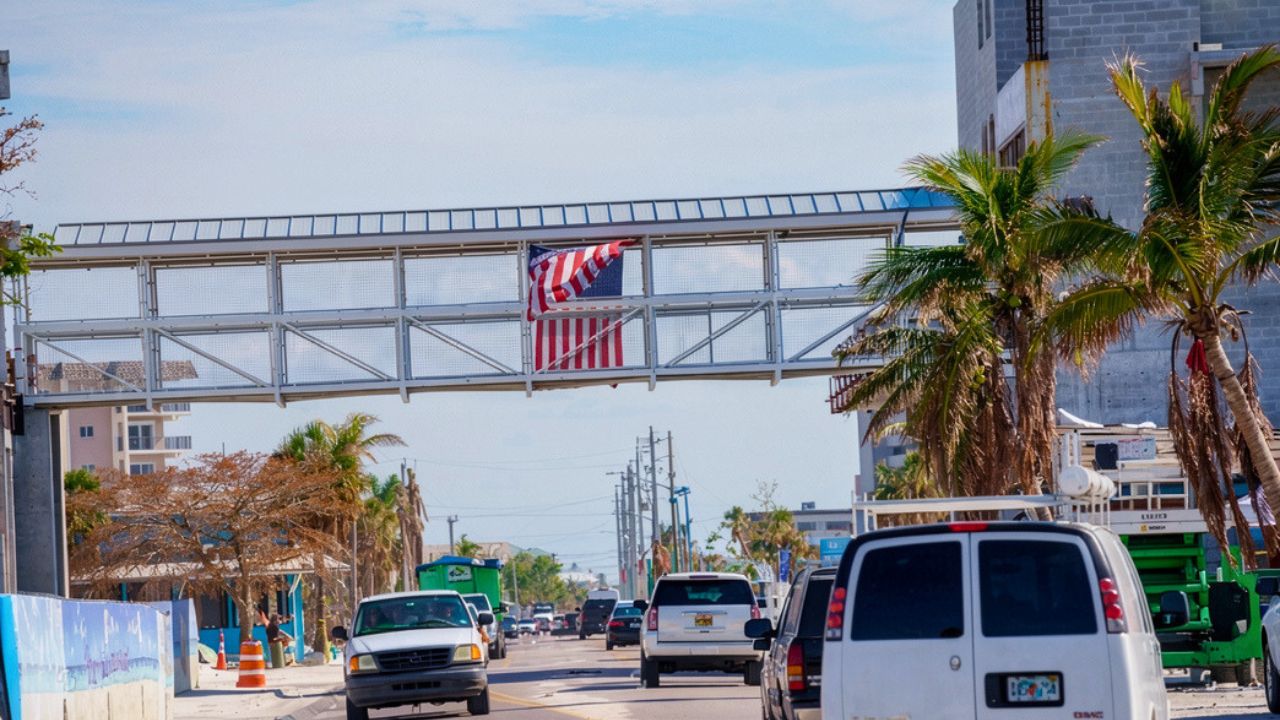
Let’s not pretend Fort Worth is some traffic-free paradise. It is not. Anyone who has dealt with I-35W, I-30, Loop 820, Chisholm Trail Parkway, or event traffic already knows better.
The difference is that Fort Worth traffic often feels tied to different patterns than Dallas traffic. Stockyards crowds, TCU events, downtown activity, construction, school traffic, west-side growth, and freeway bottlenecks all create their own problems.
Families moving from Dallas may feel some relief, depending on where they land. But they should not assume Fort Worth means smooth driving. It means different trouble spots, and those trouble spots deserve the same planning.
Families should think hard about which Fort Worth they mean
“Moving to Fort Worth” can mean a lot of different things. A family looking near TCU, Arlington Heights, Wedgwood, North Fort Worth, Aledo-adjacent areas, Keller-side neighborhoods, downtown, the Cultural District, or far south Fort Worth may be looking at very different lifestyles.
School districts, commute patterns, home prices, lot sizes, traffic, crime concerns, age of homes, utility costs, and neighborhood feel can vary widely. Fort Worth is too big now for one simple description.
That is why buyers should narrow the search around real life. Where do you work? Where do the kids go to school? Where are the doctors? How far are groceries? What roads will you drive daily? What does traffic look like at 7:30 a.m.? What does the neighborhood feel like after dark?
The city may be appealing overall, but the specific pocket matters more than the broad Fort Worth label.
Fort Worth’s appeal is that it feels like itself
The strongest thing Fort Worth has going for it is not that it is cheaper, calmer, or easier in every category. It is that it feels like itself. That is harder to find in a metro area where so many places start to blur together.
Families who move there are often looking for that balance: city access, family life, culture, history, restaurants, neighborhoods, and a little more breathing room from Dallas energy. Fort Worth does not remove every North Texas problem. It still has growth, traffic, taxes, housing pressure, and summer heat waiting at the door like everybody else.
But for families who want a major city that still feels more grounded, Fort Worth keeps making its case. And judging by the population numbers, plenty of people are listening.

Arlie Howard contributes coverage on consumer issues, family-focused stories, household concerns, scams, local cost-of-living topics, and real-life situations that affect Texas readers.
Her work focuses on explaining what happened clearly and helping readers understand the details that may matter most.