Why East Texas Homeowners Should Watch Trees Closely Before Storm Season Peaks
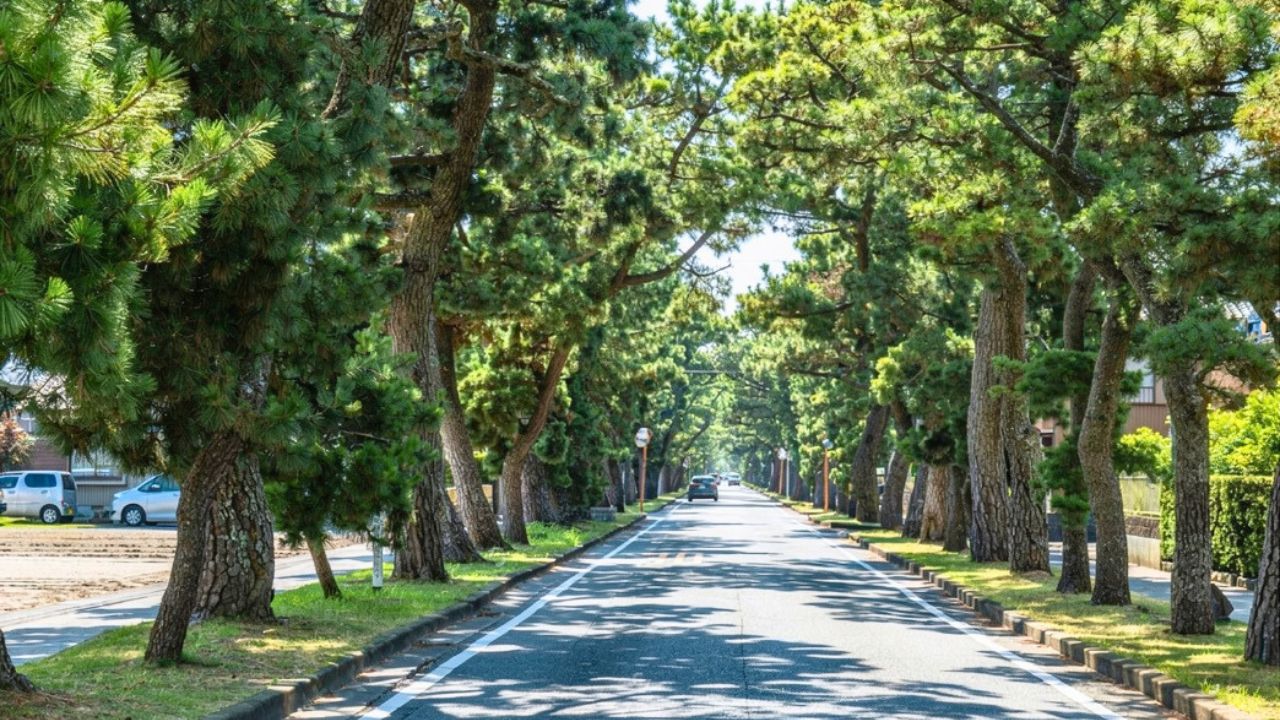
East Texas trees are part of what makes the region feel like East Texas. Tall pines, big oaks, shaded roads, wooded lots, creek bottoms, and backyards that feel tucked into the trees are a big part of the appeal. But when storm season gets rough, those same trees can turn into one of the biggest risks around a house.
A tree does not have to look dead to cause trouble. A heavy limb can be cracked but still hanging. A trunk can have decay hiding inside. Roots can be weakened by saturated soil. A pine can look fine until high wind hits it from the wrong angle. And after a few rounds of drought, freeze damage, heavy rain, and wind, even healthy-looking trees may deserve a closer look.
That is why East Texas homeowners should not wait until a thunderstorm warning is already on the phone to think about tree safety. The work starts earlier, when there is still time to inspect, trim, remove hazards, and call someone qualified if the tree is too big or too close to the house to mess with yourself.
Storm winds can turn weak limbs into real damage
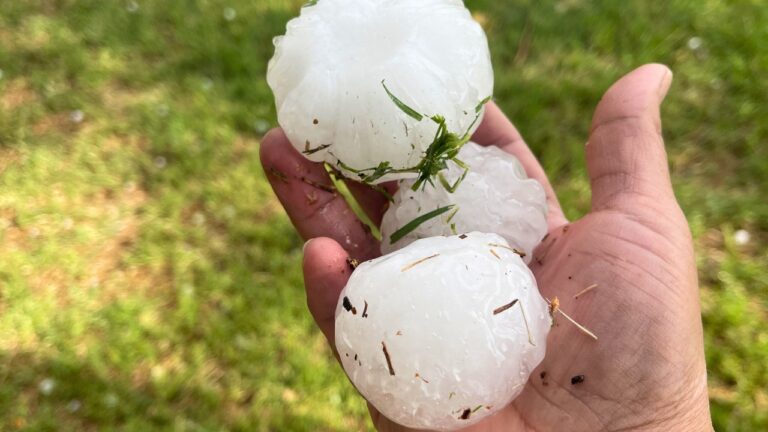
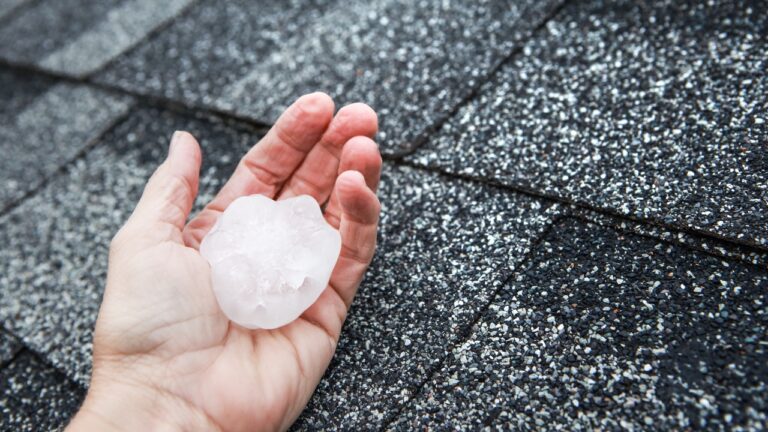
A severe thunderstorm is not just rain with attitude. The National Weather Service defines a severe thunderstorm as one capable of producing hail at least one inch in diameter or wind gusts over 58 mph. Wind that strong can break large branches, knock over trees, or cause structural damage to trees.
That matters in wooded East Texas neighborhoods because large branches may be hanging over roofs, vehicles, fences, driveways, sheds, and power lines. A limb that has been sitting quietly over the garage all year can become a problem in one strong gust.
Homeowners should walk the property before the peak storm stretch and look up. Dead limbs, broken branches, hanging limbs, split crotches, leaning trunks, and branches touching the roof are not “later” problems. They are storm-season problems.
A healthy-looking tree can still have hidden trouble
Some tree problems are obvious. A dead pine with no needles is not fooling anyone. A split trunk leaning toward the house is not exactly subtle. But decay, root issues, old storm damage, and disease can be harder to spot.
Texas A&M AgriLife experts say deciding whether to remove a tree can get complicated when it is still alive but badly damaged, unhealthy, or decaying. They recommend using a certified arborist to evaluate whether a tree can be saved or should be removed.
That is especially important for large trees near homes. A homeowner can spot obvious trouble from the ground, but that does not mean they can safely judge the internal condition of a tree. Fungus at the base, cavities, peeling bark, dead sections, and sudden leaning are worth professional attention.
Saturated soil can change the risk fast
East Texas storms often bring heavy rain, and wet ground changes the tree conversation. When soil gets saturated, root systems may have less grip. Add wind, and a tree that stood through normal conditions may not handle the extra force as well.
This is one reason trees can fall after or during heavy rain even when there was not a tornado. The ground softens, the canopy catches wind, and the roots cannot hold like they normally would. Large trees near the house, driveway, or power lines deserve extra respect after repeated rain.
Homeowners should watch for new leaning, raised soil around the base, cracked ground near roots, or exposed roots after storms. Those signs do not always mean the tree is about to fall, but they are not something to ignore.
Pines need special attention in high wind
East Texas has plenty of pine trees, and they can be beautiful, useful, and valuable. They can also be a major concern during wind events because of their height and the way they can fail when stressed, damaged, or rooted in poor conditions.
A tall pine close to a home may not give the same warning signs as a broad hardwood dropping limbs. It may look straight and green until wind or root problems make it fail. That is why location matters. A pine in the middle of the woods is one thing. A tall pine within striking distance of a bedroom, shop, driveway, or power line is another.
Homeowners do not need to clear-cut their yards out of fear. But tall trees that could hit the home should be part of a real maintenance plan, not something everyone just hopes will behave.
Broken branches should be pruned correctly
After storms, homeowners often want to clean up quickly. That is understandable, but rough cuts and bad pruning can make future problems worse. Jagged breaks can invite decay. Topping trees can weaken them. Cutting large limbs incorrectly can damage the trunk or create safety hazards.
Texas A&M Forest Service says broken branches still attached to a tree should be removed. Smaller branches should be pruned properly with clean cuts in the right places, while large broken branches should be cut back to the trunk or a main limb by an arborist.
That is good practical advice because storm cleanup is not only about making the yard look better. It is about helping the tree recover and reducing the chance of decay, weak regrowth, or another limb failure later.
Do not hire the first chainsaw that shows up
After a bad storm, tree crews appear fast. Some are experienced, insured, and qualified. Some are just people with chainsaws and a truck. That difference matters when a tree is near a roof, fence, power line, vehicle, or neighbor’s property.
Texas A&M Forest Service warns homeowners not to hire just anyone who shows up at the door after a storm and recommends hiring an ISA Certified Arborist when a professional is needed.
Homeowners should ask for proof of insurance, local references, written estimates, and credentials before agreeing to major tree work. Tree removal is dangerous and expensive for a reason. A cheap job can get very expensive if a limb lands on the house or a worker is injured on the property.
Power lines are not a DIY project
This should be obvious, but every storm season proves it needs saying: trees and power lines are not weekend-warrior territory. If a limb is touching, leaning on, or tangled near a power line, stay away and call the utility or emergency services as appropriate.
Even after storms, downed lines can still be energized. A tree touching a line can become dangerous too. No branch, fence panel, or chunk of firewood is worth getting near live electricity.
Homeowners can clear safe debris from the yard if there are no electrical hazards, but anything near power lines needs professional handling. That is not being overly cautious. That is staying alive.
Some damaged trees can recover
A storm-damaged tree can look awful right after the weather clears. Leaves may be shredded, limbs broken, bark torn, and branches scattered across the yard. That does not always mean the tree is finished.
Texas A&M Forest Service says storms can leave trees looking bare and damaged, but those appearances can be deceiving because trees can recover from storm damage. The agency recommends doing a quick assessment before assuming a tree is lost.
That is where patience helps. If the tree is not an immediate hazard, get it evaluated before removing it. A mature shade tree can take decades to replace. Taking out a salvageable tree too quickly can be its own kind of expensive mistake.
But some trees should not be saved
There is a flip side. Some trees are too damaged, too decayed, too poorly located, or too dangerous to keep. A tree with a severely split trunk, major decay, large dead sections, dangerous lean, or roots lifting after a storm may not be worth the risk.
Texas A&M AgriLife’s guidance notes that very sick or badly damaged trees may be candidates for removal, and that fungi at the base or along the trunk can indicate advanced decay.
That is not the tree being ugly. That is the tree telling you something is wrong. If the target is a house, driveway, road, power line, or place where kids play, the risk needs to be taken seriously.
Insurance questions are easier before the tree falls
Tree damage can lead to insurance confusion. A tree falling because of wind may be treated differently from a dead tree that the homeowner failed to maintain. Coverage depends on the policy, cause of loss, damage, and circumstances.
Before storm season gets bad, homeowners should review their policy and ask how tree damage, debris removal, fences, sheds, vehicles, and detached structures are handled. If a tree could hit a neighbor’s property, that is another reason to understand liability and maintenance expectations.
This is not the most exciting reading in the world, but neither is arguing over coverage after a tree is already through the roof.
The best tree work happens before the warning
The worst time to deal with a risky tree is when radar is red and wind is already pushing rain sideways. By then, the only thing to do is get inside and stay safe.
Before storm season peaks, East Texas homeowners should walk the property, look for dead limbs, watch for leaning trees, inspect trunks and roots, trim branches away from structures, clear safe debris, and call a certified arborist when a tree is large, damaged, or close to the house.
Trees are one of the best parts of living in East Texas. They give shade, privacy, beauty, and that wooded feel people love. But they are still living structures sitting in weather that can turn rough fast.
The smart move is not fearing every tree. It is knowing which ones need attention before the next storm makes the choice for you.

Abbie Clark founded The Texas Reader to give Texas readers a clearer, more practical place to follow the stories affecting their homes, wallets, families, and communities.
As founder and editor, she oversees the site’s editorial direction, sourcing standards, corrections process, and daily coverage priorities. Her focus is on stories that are useful, understandable, and connected to real life.