What Dallas-area buyers should know before moving into an older neighborhood
Older Dallas-area neighborhoods can be hard to resist.
The trees are bigger. The houses have more personality. The streets feel lived-in. You may get a front porch, real hardwood floors, a bigger lot, and neighbors who have been there long enough to know every shortcut, every drainage problem, and exactly which house gives out the best Halloween candy.
But buying in an older neighborhood is not the same as buying in a new subdivision where the roof, electrical panel, plumbing, and sidewalks all came from the same recent construction cycle. Older homes can be wonderful, but they require a sharper eye before closing day.
In the Dallas area, buyers need to look closely at foundations, plumbing, drainage, trees, insurance, permits, and what the neighborhood actually feels like at different times of day.
Foundation issues are not rare around here
Dallas-area buyers should go into older homes with their eyes wide open on foundations.
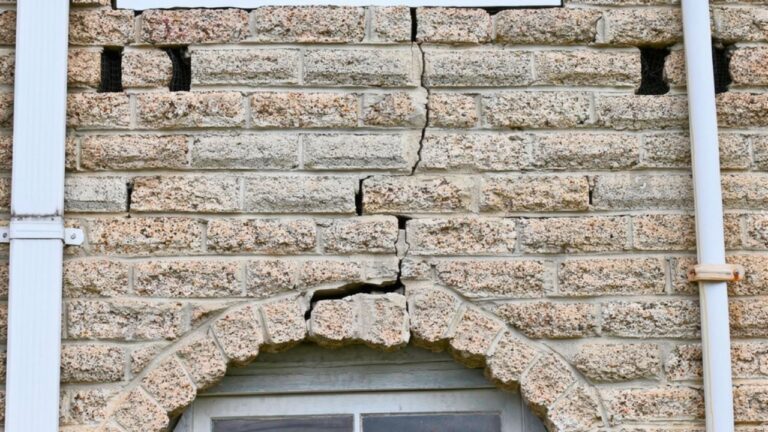
North Texas soil can move. Clay-heavy soil expands when wet and shrinks when dry, and older homes may show the history of that movement through cracks, sloping floors, sticking doors, uneven trim, or gaps around windows. Not every crack is a disaster, but buyers should not wave it off just because the house is cute.
This is where a regular home inspection may not be enough. If the inspector flags movement, cracks, drainage issues, or signs of prior repair, buyers should consider a foundation specialist or structural engineer during the option period.
The seller’s disclosure can help, but it should not be treated like a magic shield. The Texas Real Estate Commission provides a seller’s disclosure notice form, and sellers are generally expected to disclose known issues, including structural, roof, plumbing, electrical, and other property conditions. But buyers still need inspections because a seller may not know everything, especially if the issue is hidden or has changed over time.
Old plumbing can get expensive fast
Plumbing is one of those things buyers do not notice during a showing unless something smells bad or a faucet obviously does not work. That is a mistake.
Many older Dallas-area homes may have aging drain lines, old supply lines, galvanized piping, cast iron sewer lines, or past repairs that were done in pieces over decades. A bathroom remodel does not automatically mean the plumbing behind the walls is modern. Pretty tile can hide ugly pipes. Real estate, charming little menace that it is, loves that trick.
Dallas Water Utilities has also been working under updated lead and copper rules that require public water systems to maintain an inventory of service lines, including the pipe connecting water mains to homes and businesses. The city says the federal regulation includes a 10-year timeline for completing the service line inventory and replacing any lead and galvanized lines found as part of that effort.
That does not mean every older Dallas home has a lead problem. Dallas said in a 2024 update that its inventory contained no lead service lines at that time, but some customers were notified because their service line material was unknown. Buyers should still ask what the water line is made of, what the sewer line is made of, and whether there are records of replacement.
A sewer scope can be money well spent in an older neighborhood. It is not glamorous. Neither is finding out after closing that tree roots and old cast iron are about to become your new personality.
Drainage can change the whole deal
A house can look perfect on a sunny day and tell a different story after a hard rain.
Dallas buyers should pay attention to the slope of the yard, where downspouts discharge, whether water appears to run toward the foundation, and whether the street or alley floods. Older neighborhoods may have mature trees, older storm drains, narrow streets, low spots, or drainage patterns that were never designed for today’s density and runoff.
The City of Dallas says its Floodplain Management Section can provide site-specific flood and flood-related data, including historical flooding information for a neighborhood. That is worth checking before falling in love with a house near a creek, low crossing, drainage channel, or known flood-prone area.
Buyers should also check flood maps and ask about flood insurance. Even if a lender does not require flood insurance, that does not mean the property has no drainage risk. Some of the most frustrating water problems are the everyday ones: water pooling against the foundation, soggy side yards, flooded garages, and driveways that become little rivers every spring.
Mature trees are beautiful, but they are not free
Big trees are one of the best parts of older Dallas neighborhoods. They shade the house, cool the street, make the yard feel established, and give the whole block a look newer neighborhoods spend decades trying to fake.
They also drop limbs, push roots, clog gutters, crack sidewalks, interfere with sewer lines, and sometimes lean a little too close to the roof for comfort.
Buyers should look at tree health before closing, especially if large trees sit close to the foundation, driveway, sewer line, roof, or power lines. A tree inspection may make sense if a huge oak or pecan is a major part of the property. Tree trimming, removal, stump grinding, and root-related plumbing repairs can get expensive fast.
This is not a reason to avoid mature trees. It is a reason to respect them. That gorgeous canopy may be part of why the house feels so good, but it still belongs in the budget.
Electrical systems deserve a close look
Older homes may have older panels, limited outlets, outdated wiring, ungrounded outlets, DIY additions, overloaded circuits, or electrical work that was “good enough” for a different era.
That matters more now because modern families run a lot of stuff: computers, chargers, TVs, kitchen appliances, HVAC equipment, security systems, garage freezers, and sometimes EV chargers. A home built for a smaller electrical load may need upgrades.
Buyers should ask the inspector about the panel, grounding, GFCI protection, visible wiring issues, and whether past additions appear properly permitted. If the home has knob-and-tube wiring, aluminum branch wiring, an outdated panel brand with known concerns, or messy DIY work, bring in a licensed electrician before closing.
Electrical upgrades can also affect insurance. Some insurers may ask questions about wiring, roof age, plumbing, and other older-home risks before issuing or pricing a policy.
Permits and additions need a paper trail
Older Dallas-area homes often have a history. That history may include a garage conversion, enclosed porch, added bathroom, expanded kitchen, backyard office, deck, fence, or room addition.
Some work is beautiful and permitted. Some work is creative in a way that should make buyers nervous.
Before buying, ask whether major improvements were permitted. Check city records when possible. Look closely at additions that feel uneven, rooms with odd ceiling heights, outlets in strange places, bathrooms that seem squeezed into former closets, or enclosed spaces that do not heat and cool like the rest of the house.
Unpermitted work can create insurance issues, resale problems, appraisal questions, and safety concerns. It can also mean the buyer inherits someone else’s shortcut.
The neighborhood should be checked at real-life hours
A showing on a Tuesday afternoon does not tell the whole story.
Buyers should drive the neighborhood in the morning, after work, late evening, and on the weekend. Check traffic, parking, noise, nearby businesses, school pickup congestion, cut-through traffic, train noise, barking dogs, alley conditions, street lighting, and whether the area feels different after dark.
This is especially important in older Dallas neighborhoods near entertainment districts, busy roads, hospitals, colleges, redevelopment areas, or major commute routes. A house can be quiet at 1 p.m. and loud by 8 p.m.
Talk to neighbors if you can. They often know what the listing will not say: which streets flood, which alleys are rough, which intersections get wild, and whether the neighborhood is dealing with construction, short-term rentals, parking drama, or constant cut-through traffic.
Buyers should price repairs before they romanticize the house
Older homes can be worth it. Many are built with details and proportions that newer builds do not always match. But buyers need to separate charm from cost.
Before moving into an older Dallas-area neighborhood, price the roof, foundation, plumbing, HVAC, electrical, drainage, windows, insulation, trees, fences, and insurance. Ask for repair records. Read the seller’s disclosure carefully. Use the option period wisely. Bring in specialists when the inspection points to bigger concerns.
The goal is not to scare buyers away from older neighborhoods. Some of the best places to live in the Dallas area are older, established blocks with real character and strong community.
The goal is to keep buyers from being dazzled by hardwood floors and then blindsided by a sewer line, a shifting foundation, or a drainage problem that every neighbor already knew about.
Older Dallas neighborhoods can be a great buy. Just make sure the house is telling you the whole story before you sign for it.

Abbie Clark founded The Texas Reader to give Texas readers a clearer, more practical place to follow the stories affecting their homes, wallets, families, and communities.
As founder and editor, she oversees the site’s editorial direction, sourcing standards, corrections process, and daily coverage priorities. Her focus is on stories that are useful, understandable, and connected to real life.