The Post-Storm Mistakes That Can Cost Texas Homeowners Money
After a bad Texas storm, most homeowners are not thinking about paperwork. They are thinking about the roof, the fence, the tree limb in the yard, the water spot on the ceiling, or the sound the AC unit started making after hail hit the side of the house. The goal is simple: stop the damage, get the house back to normal, and avoid letting a bad day turn into a bigger repair.
That makes sense. But the first few decisions after a storm can affect how expensive the cleanup becomes. A homeowner can accidentally throw away proof, hire the wrong contractor, miss a policy detail, pay money too soon, or start permanent repairs before the insurance company has seen what happened.
Texas storms already create enough damage on their own. The last thing homeowners need is a mistake after the storm making the recovery harder.
Cleaning up before taking photos
The first mistake is one of the most understandable. People want the mess gone. They pick up shingles, drag limbs to the curb, throw away soaked items, sweep up broken glass, or move damaged patio furniture before documenting anything.
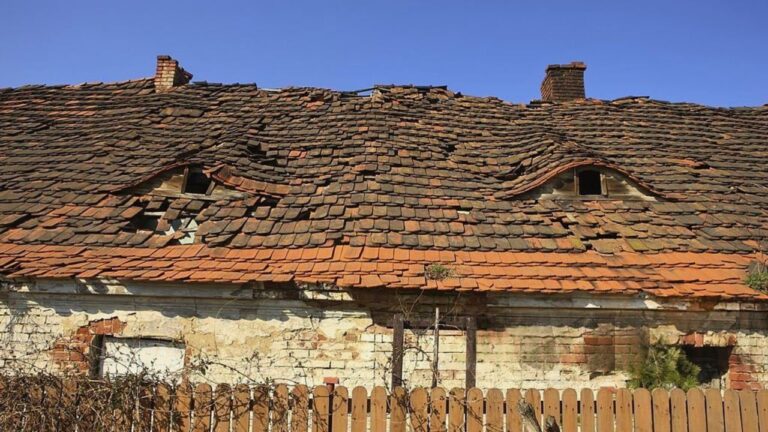
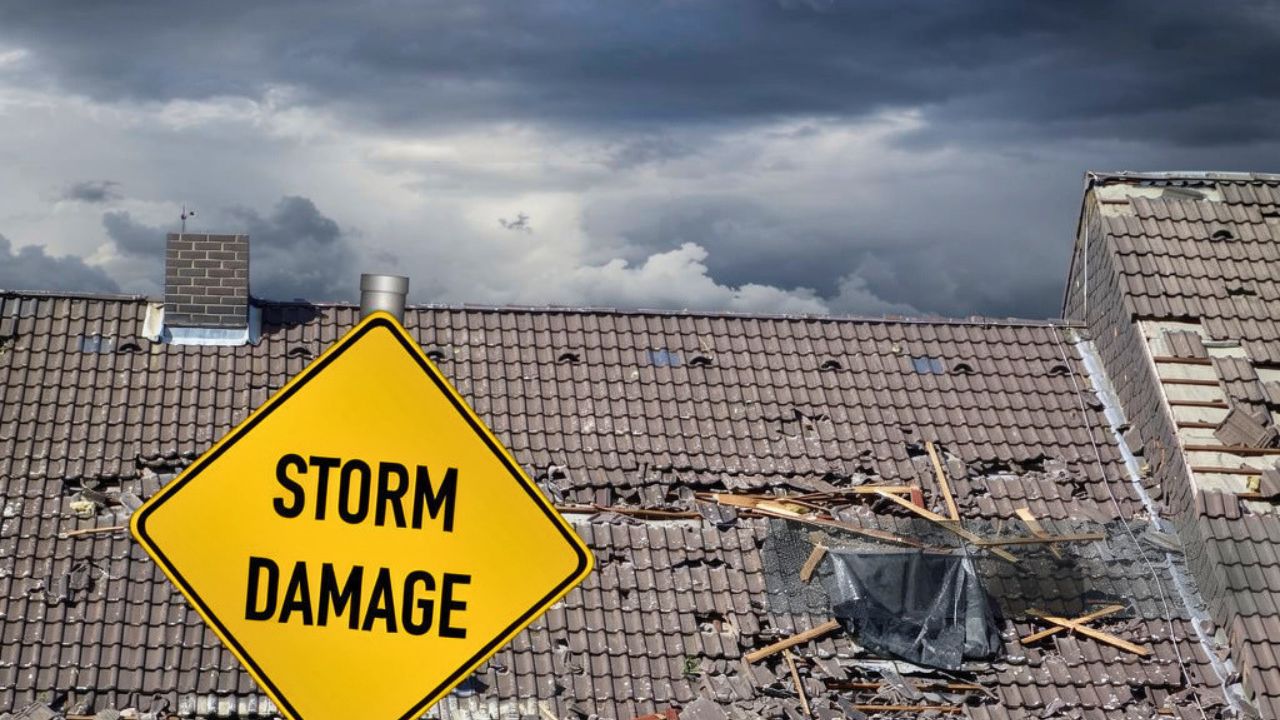
That can create problems later because the damage tells the story. Photos of dents, debris, water stains, broken screens, missing shingles, and damaged belongings may help show what happened and when. Once everything is moved, tossed, or repaired, it can be harder to explain the full picture.
The Texas Department of Insurance advises homeowners to take pictures and video of damage, make a list of damaged items, and avoid throwing damaged items away until the insurance company says to do so. That does not mean leaving dangerous debris in place. It means taking a few minutes to document first when it is safe.
Making permanent repairs too quickly
Temporary repairs are usually smart. If water is coming in, homeowners should take reasonable steps to prevent more damage. That may mean putting up a tarp, covering a broken window, moving furniture away from a leak, or using plywood to close off an opening.
The trouble starts when temporary work turns into permanent work before the insurance company has reviewed the damage. A homeowner might replace damaged materials quickly because they are trying to get back to normal, but that can make the claim harder to verify.
TDI says it is generally OK to make temporary repairs, but homeowners should not make permanent repairs until they have talked to their insurance company. The agency also says homeowners should take pictures before doing any work and save receipts for temporary repairs.
Waiting too long to check hidden areas
Some storm damage is obvious. A missing fence panel, cracked window, or tree on the roof does not require much detective work. Other damage hides for a while.
After a storm, homeowners should check the attic, ceilings, closets, window trim, garage, exterior doors, gutters, downspouts, and areas around chimneys or vents. Water can travel before it shows up inside the house. A small leak may wet insulation or stain roof decking before it ever reaches a ceiling.
Waiting too long can make the repair more expensive. A small roof opening, loose flashing, or clogged gutter can keep letting water in every time it rains. By the time the problem becomes obvious, the homeowner may be dealing with drywall, insulation, flooring, trim, or mold concerns instead of a smaller exterior repair.
Assuming the deductible is small
A storm claim can feel simple until the deductible enters the conversation. Some homeowners remember the deductible from years ago or assume it works like a flat amount. In Texas, wind and hail deductibles can be different from other deductibles, and some are based on a percentage.
That can turn into a major surprise. A percentage deductible is usually tied to the insured value of the home, not the repair bill. TDI gives an example where a 5% deductible equals $7,500, which would be higher than a $6,500 hail roof repair and leave the policy paying nothing for that repair.
Before starting a claim or signing with a contractor, homeowners should know the deductible, whether it applies to wind and hail, and how much they may have to pay out of pocket.
Trusting the first contractor who knocks
After a major storm, repair crews show up fast. Some are legitimate. Some are looking for homeowners who are overwhelmed and ready to sign anything that sounds like help.
A door knock after a storm is not automatically bad, but it should not replace verification. Homeowners should check the company name, address, insurance, reviews, references, written estimate, and contract terms. They should be careful with large upfront payments, vague promises, and pressure to sign immediately.
The Texas Attorney General’s Office warns that after a natural emergency, consumers should watch for scams including price gouging, fly-by-night door-to-door contractors, and bogus charities. That warning matters because storm damage creates the exact pressure scammers need.
Believing deductible-waiver promises
Few phrases sound better after expensive storm damage than “we can take care of your deductible.” It may be framed as a discount, rebate, advertising credit, sign allowance, or some other arrangement that makes the out-of-pocket cost disappear.
Texas homeowners should be very careful with that pitch. TDI says contractors cannot waive, rebate, absorb, or otherwise help a homeowner avoid paying a property insurance deductible. Texas also does not allow a roofer or contractor to act as a public insurance adjuster on a claim if they are also doing the repair work.
A contractor who starts the relationship with a questionable insurance promise is not doing the homeowner a favor. That kind of shortcut can create bigger problems than the deductible itself.
Paying a deposit without enough paperwork
A deposit may be normal for some repair jobs, especially if materials need to be ordered. But homeowners should not pay one based only on a handshake, a text message, or a vague estimate.
Before paying, there should be a written contract that explains the scope of work, materials, timeline, payment schedule, warranty, cancellation terms, and business information. The homeowner should also know what the deposit covers and whether it is refundable.
The payment method matters too. Cash leaves a weak paper trail. A check, credit card, or another traceable method gives the homeowner better documentation. A receipt should clearly show who was paid, how much was paid, when it was paid, and what the payment was for.
Forgetting about cars, fences, and outdoor equipment
After hail or wind, homeowners tend to focus on the roof first. That makes sense because roof damage can lead to leaks. But storms can damage more than shingles.
Gutters, window screens, siding, garage doors, fences, sheds, AC units, grills, patio furniture, trampolines, vehicles, and outdoor equipment can all take damage. If the homeowner only documents the roof, other losses may get missed in the early claim process.
A simple walkaround helps. Start at the front door and move around the property slowly. Take photos of each side of the house, then check detached structures, fencing, vehicles, and anything that was outside during the storm. Write down what looks different, even if it seems small.
Letting emotions rush the claim
Storm damage feels personal because it hits the place people live. It is easy to get angry, anxious, or desperate to get everything fixed. But rushed decisions usually help the wrong people.
Homeowners should slow the process down enough to keep records. Save claim numbers, adjuster names, inspection dates, receipts, photos, estimates, emails, and text messages. Ask questions when something does not make sense. Get explanations in writing when possible.
That kind of organization may feel annoying in the moment, but it can help if the claim is delayed, disputed, underpaid, or reopened later because more damage appears.
Treating the storm like it is over too soon
The storm may be over when the sky clears, but the damage may not be finished showing itself. A roof leak may appear during the next rain. A fence may lean more after the ground stays wet. A tree limb may crack but not fall right away. A small water stain may grow over several days.
Homeowners should keep checking the property after the first cleanup. Look at the attic again after the next storm. Watch ceilings and window trim. Check gutters and downspouts. Listen for unusual AC noises if the outdoor unit took hail. Keep taking photos if new damage appears.
The smartest post-storm move is not panic. It is patience with good documentation. Texas homeowners who photograph first, protect the home, verify contractors, understand the deductible, and keep receipts are in a much better position than the ones trying to fix everything before they have proof of what happened.

Grady Howard contributes coverage on Texas public-interest stories, household costs, transportation, weather-related concerns, safety alerts, and consumer topics.
His reporting is built around practical context — what changed, why it matters, and what readers should pay attention to next.