What North Texas residents should know before another hail season ramps up
Hail season in North Texas can turn a quiet afternoon into a mess in a matter of minutes. One storm can leave cars dented, roofs damaged, gutters bent, windows cracked, and neighborhoods full of contractor signs before the sky even clears. It is one of those weather risks people know about, but many still wait until the warning comes through before thinking about what needs to be protected.
That is usually too late. Once hail is already in the forecast, garages are full, covered parking disappears, roofers get busy, and everyone starts scrambling at the same time. North Texas homeowners and drivers do not need to panic every time storms pop up, but they do need to treat hail season like something worth preparing for before the radar turns ugly.
Know when hail risk is highest
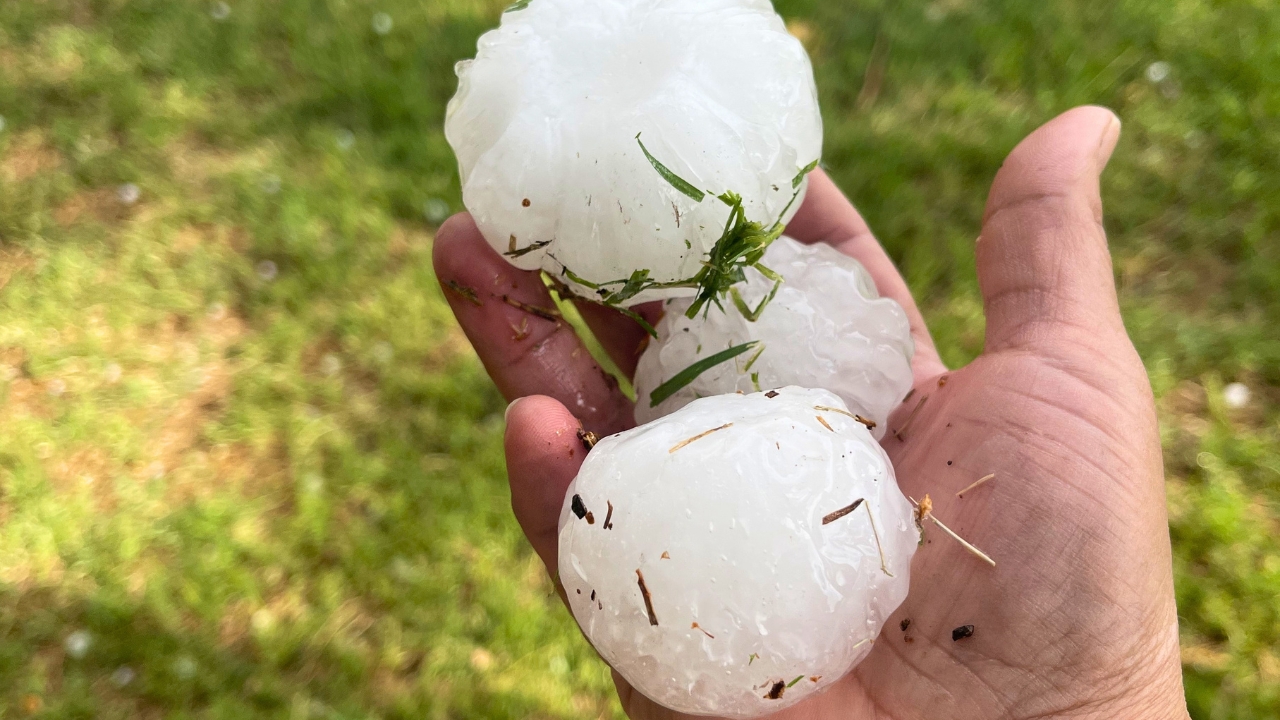
North Texas can see hail in different parts of the year, but spring is when many people start paying closer attention. Warm, humid air near the ground and colder air higher up can help fuel strong storms, and those storms can produce hail large enough to damage roofs, vehicles, siding, fences, skylights, and outdoor equipment.
The tricky part is that hail does not have to hit everyone to cause expensive damage. One neighborhood may get hammered while another area nearby only gets rain. That makes it easy for residents to brush off storm alerts until their own street is the one taking the hit. If severe storms are expected anywhere nearby, it is worth taking basic precautions early.
Move vehicles before the storm arrives
Vehicles are one of the easiest things to protect, but only if drivers act before the hail starts. Once hail is falling, people may try to race to a gas station, car wash, parking garage, or overpass. That can be risky, especially when heavy rain and poor visibility are already affecting traffic.
The safer move is to think ahead. If a garage is available, clear enough space to park inside before storms arrive. If not, look for legal covered parking before the weather gets bad. Drivers should avoid stopping under bridges or overpasses during hail because it can block lanes and create dangerous traffic backups. A dented vehicle is frustrating, but getting stuck in a crash risk is worse.
Check the roof before damage gets worse
Hail damage is not always obvious from the ground. Some roofs may look fine after a storm but still have bruised shingles, cracked vents, damaged flashing, or granule loss that shortens the roof’s life. A homeowner may not realize there is a problem until the next heavy rain exposes a leak.
After a hailstorm, homeowners should look for signs around the property before assuming everything is fine. Dented gutters, damaged downspouts, cracked plastic vents, torn screens, and loose granules near the bottom of downspouts can all suggest the roof took a beating. Nobody needs to climb onto a roof without the right training and safety gear, but obvious clues around the home are worth paying attention to.
Watch for storm-chasing contractors
After a bad hailstorm, contractors often move quickly into damaged neighborhoods. Some are legitimate. Others are pushy, vague, or looking for fast money from stressed homeowners. North Texas residents should be careful with anyone who knocks on the door right after a storm and pressures them to sign something immediately.
Homeowners should verify licenses where applicable, check insurance, read contracts carefully, and avoid paying large upfront amounts before work begins. It is also smart to contact the insurance company directly before agreeing to repairs. A good contractor should be able to explain the work clearly without rushing the homeowner into a decision on the porch.
Understand your insurance deductible
Hail claims can get expensive fast, and the deductible is where some homeowners get caught off guard. In Texas, wind and hail deductibles may be different from the standard deductible people think about for other claims. That means the out-of-pocket cost after a storm may be higher than expected.
Before hail season gets busy, homeowners should review their policy and know what the wind/hail deductible actually is. They should also understand what roof type, age, and coverage terms may mean for a claim. Keeping photos of the roof, exterior, fence, windows, and outdoor structures before storms hit can help later if damage has to be documented.
Protect outdoor items that can break or blow around
Hail does not only damage roofs and vehicles. Patio furniture, grills, garden equipment, potted plants, outdoor lights, pool equipment, and kids’ toys can all take a beating. Some items may also become wind-driven hazards during severe storms, especially if strong gusts hit before the hail starts.
Residents should secure or move smaller outdoor items before storms arrive. Cushions, umbrellas, hanging baskets, lightweight chairs, and yard decorations are easy to bring inside if there is enough warning. Larger items may need to be tied down or moved closer to a protected area. It is not the most exciting prep, but it beats finding half the backyard damaged or scattered afterward.
Do not ignore windows and skylights
Large hail can crack windows, damage screens, and break skylights. Even smaller hail can cause problems when it is driven by strong wind. Homes with older windows, exposed glass doors, or skylights should get extra attention before severe weather season. A cracked skylight during heavy rain can quickly become an indoor water problem.
Homeowners can close blinds or curtains during severe storms to help contain glass if a window breaks. That does not prevent damage, but it can reduce the mess and danger inside. If a window or skylight does break, people should stay away from the area until the storm passes and handle cleanup carefully.
Take warnings seriously before the sky looks bad
One of the biggest mistakes North Texas residents make is waiting until the storm looks serious from the front porch. Hail-producing storms can build quickly, and the worst part may arrive after the first rain band or wind gusts. By the time the sky turns greenish or the hail core is close, there may not be enough time to move vehicles or secure outdoor items safely.
A better habit is to check alerts earlier in the day when severe storms are possible. Keep phones charged, make sure weather notifications are turned on, and know where the family will go if the storm gets stronger. Hail is not the same as a tornado, but the storms that produce it can still be dangerous.
Prepare before the neighborhood is scrambling
Hail season is part of living in North Texas, but the damage always feels more frustrating when it catches people flat-footed. A little preparation can make the difference between a stressful evening and a much more expensive week. Moving vehicles, checking insurance, securing outdoor items, and knowing who to call after a storm are all worth doing before the first big warning.
Residents do not have to obsess over every cloud in the forecast. They just need to respect how quickly a spring storm can turn costly. Once hail starts falling, the time for easy prevention is usually already gone.

Grady Howard contributes coverage on Texas public-interest stories, household costs, transportation, weather-related concerns, safety alerts, and consumer topics.
His reporting is built around practical context — what changed, why it matters, and what readers should pay attention to next.