Fort Worth Is Intentionally Setting More Land on Fire — But There’s a Good Reason
At first glance, the idea sounds alarming.
Fort Worth is intentionally setting more land on fire.
But this is not a case of city officials taking unnecessary risks or lighting up parkland for no reason. It is part of a growing prescribed burn program meant to protect natural areas, improve the health of native landscapes, and reduce the chance that an uncontrolled wildfire becomes more dangerous later.
According to Texas Standard, Fort Worth officials are expanding the use of prescribed burns as wildfire risks continue to grow across Texas. The city uses these controlled fires to manage vegetation, fight invasive species, and improve ecosystem health.
That may sound backwards to people who only think of fire as something to avoid.
But in Texas, fire has always been part of the land. Prairies, grasslands, and certain natural areas evolved with periodic fire. When fire is removed completely, dead grass, brush, and invasive plants can build up. Over time, all that material becomes fuel. Then, when a real wildfire starts during hot, dry, windy weather, there may be far more for it to burn.
That is where prescribed fire comes in.
The City of Fort Worth says prescribed fire is one of the most cost-effective tools it has to improve natural areas. The city’s Park & Recreation Department works with the Fort Worth Fire Department to conduct burns under planned conditions, using trained crews and carefully selected timing.
In plain English, they are trying to burn the right places at the right time so those same places are less likely to burn out of control later.
That distinction matters.
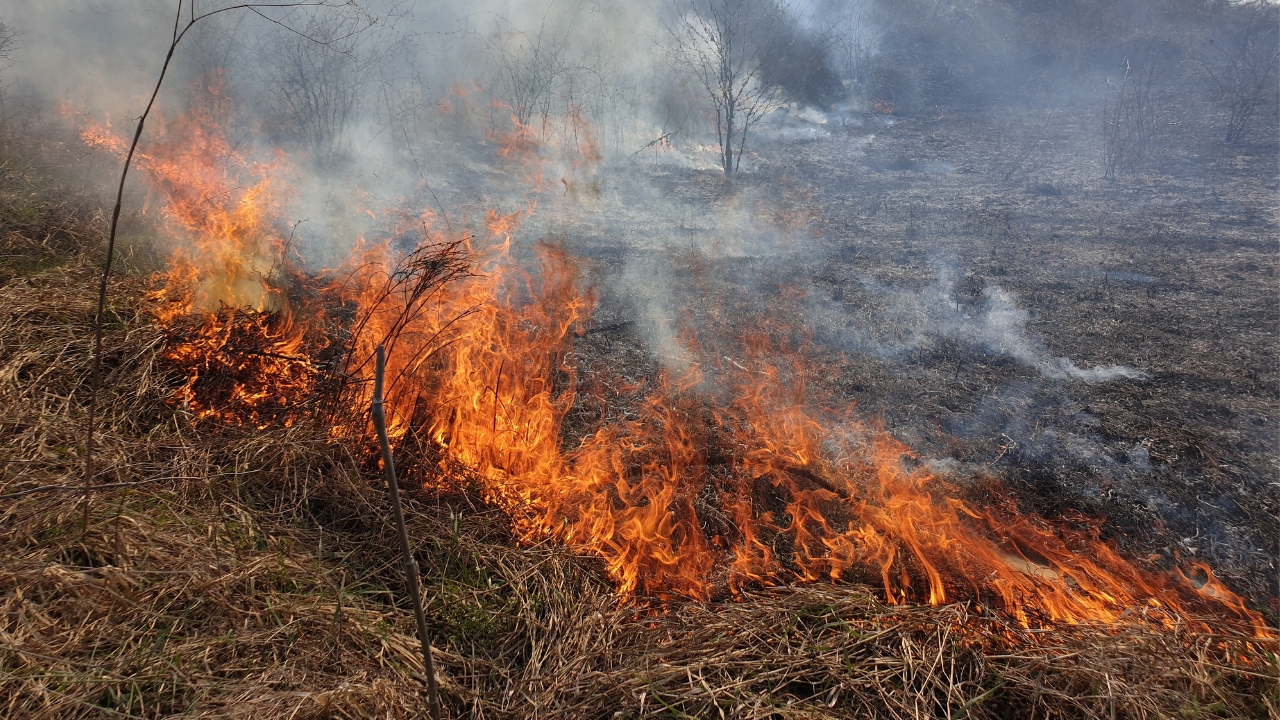
A prescribed burn is not the same thing as a wildfire. It is planned ahead of time. Crews watch weather, wind, humidity, fuel moisture, smoke direction, and nearby roads or neighborhoods. The goal is not to create a dramatic wall of flames. The goal is to use a controlled, low-intensity fire to reduce excess vegetation and help the land recover.
The Texas A&M Forest Service describes prescribed fire as the planned application of low-intensity fire by fire and fuel specialists to maintain healthy, resilient landscapes. The agency also says prescribed burning can reduce wildfire risk by removing excess fuel before an uncontrolled fire has a chance to feed on it.
That is an important point for North Texas residents.
Fort Worth and surrounding communities are not usually thought of the same way people think of wildfire-prone areas in far West Texas or the Panhandle. But grass fires and fast-moving wildfires can still become serious problems in North Texas, especially when dry conditions, high winds, and overgrown vegetation line up at the wrong time.
The Texas A&M Forest Service provides ongoing fire danger assessments for the state, analyzing weather, wildfire activity, and vegetation conditions to help communities understand risk. In a state as large as Texas, those risks can change quickly from one region to another.
Prescribed burns are also about more than wildfire prevention.
Fort Worth says fire can help native grasses and wildflowers return, reduce invasive plants, recycle nutrients into the soil, and improve habitat for wildlife. Anyone who has seen a prairie after a careful burn knows the land can look harsh at first. Then, weeks later, green growth starts coming back in a way that looks almost impossible from the blackened ground.
That is part of the reason land managers use fire. It resets the landscape.
Of course, seeing smoke near a park or natural area can still make people nervous. That is understandable. Most Texans are taught to report smoke, avoid outdoor burning during dry conditions, and take fire danger seriously. Nobody wants to see flames close to homes, traffic, trails, or playgrounds.
That is why communication matters.
Fort Worth says burns are only conducted when conditions limit smoke impacts to traffic and the community. The city also uses prescribed burns as training opportunities for fire department personnel, park ecologists, and qualified volunteers. In other words, these are not casual fires. They are planned operations with safety and land management goals.
There is also a larger Texas challenge behind all of this.
The Texas Department of Agriculture notes that prescribed burning is widely used by foresters, parks departments, ranchers, wildlife managers, and landowners, but statewide coordination can be complicated because so much Texas land is privately owned. The department’s prescribed burn program information is available here.
That means cities like Fort Worth have a unique role when they manage public land. They can use parks, natural areas, and open spaces not only for recreation, but also for long-term land stewardship.
To someone driving past smoke, it may look like something has gone wrong.
But in many cases, the fire is doing exactly what it was supposed to do.
It is clearing out built-up fuel. It is giving native plants a better chance. It is helping firefighters train before the emergency happens. And it is reducing the risk that a future fire burns hotter, faster, and more dangerously than it otherwise would.
So yes, Fort Worth is intentionally setting more land on fire.
But the goal is not destruction.
The goal is prevention.

Arlie Howard contributes coverage on consumer issues, family-focused stories, household concerns, scams, local cost-of-living topics, and real-life situations that affect Texas readers.
Her work focuses on explaining what happened clearly and helping readers understand the details that may matter most.