The Texas Swimming Safety Reminders Families Should Hear Before Pool Season Gets Busy
Texas pool season has a way of showing up before families are fully ready for it. One warm weekend turns into kids begging to swim, neighbors opening backyard pools, splash pads filling up, lake trips getting planned, and birthday parties moving outside. After months of waiting for summer, it is easy to focus on towels, sunscreen, snacks, and who remembered the goggles.
But water safety cannot be treated like the thing families figure out once they get there. Pools, lakes, ponds, water parks, bathtubs, buckets, and backyard play areas can all become dangerous fast, especially for young kids. Drowning is not usually loud or dramatic like people imagine. It can happen quietly, in seconds, and with adults nearby who thought someone else was watching.
The Texas Department of Family and Protective Services tracks child drowning deaths in the state and says 21 children have drowned in Texas in 2026 so far. DFPS also warns that drowning is a leading cause of accidental death for kids under 5, toddlers are especially at risk, and drowning can happen in almost any amount of water, indoors or outdoors.
Someone needs to be the assigned water watcher
The biggest mistake at pool gatherings is assuming supervision is happening because adults are nearby. At a cookout, birthday party, lake house, hotel pool, or backyard swim day, everyone may think someone else is watching. That gap is dangerous.
Families should choose one adult at a time to be the water watcher. That person should not be grilling, scrolling, drinking, cleaning up, chatting inside, or running back and forth for snacks. Their job is to watch the water. When they need a break, they hand the job to another adult clearly.
This does not need to be awkward. It can be as simple as saying, “I’ve got the pool for the next 15 minutes, then you take over.” The point is making sure supervision is assigned instead of assumed.
Floaties are not a safety plan
Arm floaties, puddle jumpers, noodles, inflatable rings, and rafts can make kids feel more comfortable in the water, but they should not be treated like supervision. A child can slip out, flip over, get stuck, or move into deeper water faster than adults expect.
The safest mindset is that flotation toys are toys. If a child cannot swim safely, they still need close adult supervision every second. Toddlers and weak swimmers should be within arm’s reach, especially around pools, steps, benches, splash areas, and shallow shelves where adults may let their guard down.
Coast Guard-approved life jackets are different from pool toys, especially around lakes and boats. But even a real life jacket does not replace watching the child.
Backyard pools need barriers that actually work
A backyard pool can feel familiar, and that familiarity can make adults less cautious. The danger is not only when everyone is outside swimming. It is also the few minutes when a toddler slips through a door, a gate does not latch, or an older child forgets to close something behind them.
Texas Family Support Services says water safety includes more than swimming lessons and life jackets, and it warns that drowning can be silent and fast and can happen in water as shallow as 2 inches.
For pool owners, that means barriers matter. Gates should self-close and self-latch. Doors to the pool area should stay locked. Furniture, toys, and climbable items should not be near pool fencing. Alarms can add another layer, but they should not be the only layer.
Pool parties need stricter rules than normal playdates
A pool party feels fun and casual, but it can be harder to supervise than a regular swim day. There are more kids, more noise, more adults talking, more food, more distractions, and more movement between the house and yard.
Before the party starts, adults should decide who is watching the water, whether kids can swim without an adult outside, what areas are off limits, and what happens when someone needs to go inside. Kids should know the rules too: no pushing, no dunking, no running on wet surfaces, no swimming alone, and no going back in the pool after adults say swim time is over.
Texas Children’s Hospital recommends never swimming alone, staying near a lifeguard when one is present, following posted rules, avoiding alcohol while swimming, and not running, pushing, or jumping on slippery surfaces.
Lakes are not the same as pools
A Texas lake day can feel relaxed until the water gets crowded, boats start moving, kids get tired, or someone steps into a drop-off they did not expect. Lakes are different from pools because visibility is limited, depth changes quickly, footing can be uneven, and distance is harder to judge.
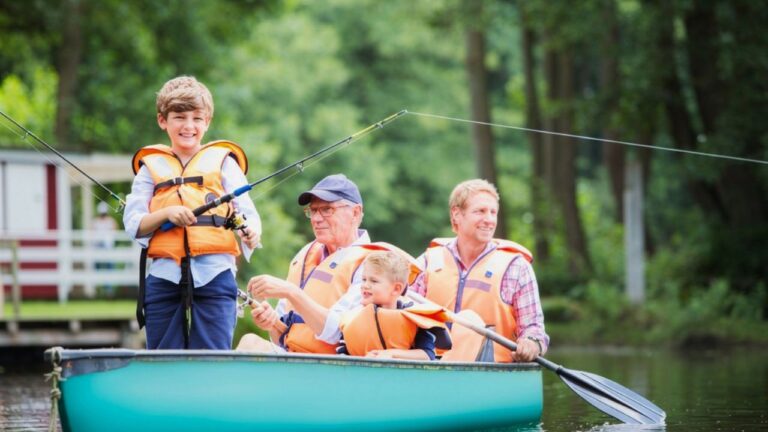
Kids should wear properly fitted life jackets near lakes, docks, boats, and open water. Adults should avoid assuming that a child who swims well in a pool can handle lake conditions the same way. Waves, currents, mud, rocks, weeds, and boat traffic can change things fast.
Families should also set clear boundaries before anyone gets in. Kids need to know where they can swim, how far they can go, and what to do if they feel tired or scared.
Alcohol and water are a bad mix
Adults may think of water safety as a kid issue, but adult behavior matters too. Drinking around pools, lakes, and boats can slow reaction time and make people less likely to notice trouble early.
At a backyard gathering, one adult drinking while another sober adult watches the water is different from everyone casually assuming they are supervising while distracted. The person in charge of water supervision should be clear-headed and focused.
This matters around teens too. Older kids may be stronger swimmers, but risk-taking, rough play, diving, alcohol, and late-night swimming can all raise the danger. Families should not loosen water rules just because kids are older.
Swimming lessons help, but they do not make kids drown-proof
Swimming lessons are a smart investment. Kids should learn how to float, breathe, reach the edge, climb out, and respect water. But even children who have taken lessons still need supervision.
A tired child, startled child, injured child, or overconfident child can still get into trouble. Younger kids may also forget skills under stress. That is why lessons should be treated as one layer of protection, not the whole plan.
For toddlers and preschoolers, parents should keep expectations realistic. A child who can paddle across a small pool one time is not ready to be watched from across the yard.
CPR is worth learning before it is needed
Nobody wants to imagine needing CPR at a pool or lake, but if something goes wrong, the first few minutes matter. Waiting for emergency responders without knowing what to do can feel helpless.
Parents, grandparents, babysitters, older siblings, and anyone who regularly hosts kids around water should consider CPR training. It is one of those skills families hope they never use, but it can matter in the worst possible moment.
Houston Health’s drowning prevention guidance recommends learning CPR and keeping skills updated, along with using barriers such as fences, self-closing and self-latching gates, locked doors and windows, and alarms around pools.
Indoor water risks count too
Pools and lakes get most of the attention, but younger kids can drown in places that do not look like “swimming” areas. Bathtubs, toilets, buckets, coolers, livestock troughs, kiddie pools, and drainage areas can all be risky for toddlers.
That is why water safety needs to continue after swim time ends. Empty buckets. Drain kiddie pools. Close bathroom doors. Keep toilet lids down when needed. Do not leave toddlers alone in the bath, even briefly.
This is the part that feels exhausting for parents because toddlers are fast and curious. But that is exactly why prevention matters. The danger is not always the big pool in the backyard. Sometimes it is the small amount of water an adult did not think about.
The safest pool season starts before the first swim
Texas families do not need to be afraid of water. Pools, lakes, splash pads, and water parks are part of summer for a reason. They are fun, they get kids outside, and they help everyone cool off when the heat gets rough.
But the rules have to be in place before the first swim day gets busy. Assign a water watcher. Use real barriers. Treat floaties as toys, not safety gear. Use life jackets around open water. Keep kids within reach. Avoid alcohol while supervising. Learn CPR. Empty small water containers. And do not assume someone else is watching.
Water safety works best when it is boring, clear, and repeated every time. That is what keeps a fun Texas summer from turning into the kind of emergency no family ever wants.