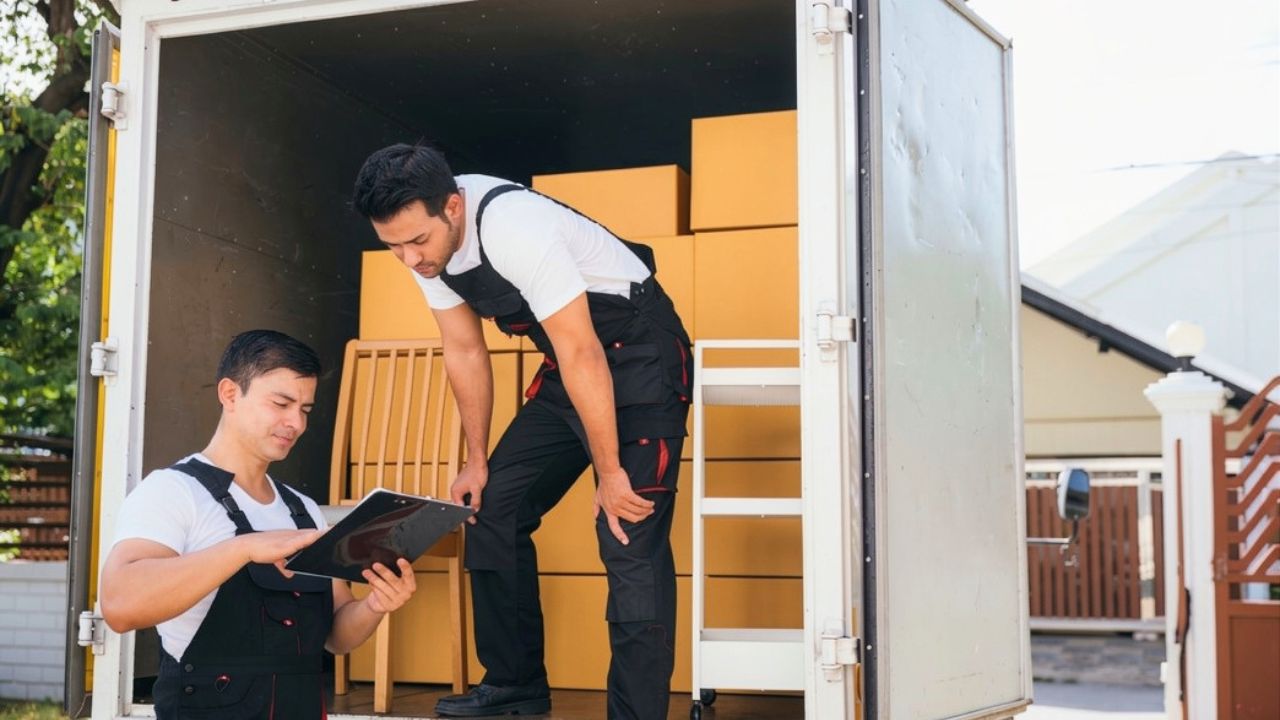
What Texans should check before hiring a mover during peak moving season
Moving season in Texas has a way of making everybody a little desperate.
Leases are ending. Closings are stacking up. College kids are moving out. Families are trying to get settled before school starts. The weather is already hot enough to make carrying a couch feel like a punishment. And right in the middle of all that, people start calling movers and hoping somebody — anybody — still has an opening.
That is exactly when Texans need to slow down for a minute.
Peak moving season is when good movers book up fast, rushed decisions get expensive, and shady operators know people are tired enough to ignore red flags. The Better Business Bureau recently warned Texans to watch for moving scams as peak season begins, noting that Texans reported more than $750,000 in losses tied to moving scams in 2025 through BBB Scam Tracker.
Make sure the mover is actually licensed
This is the first check, and it is not optional.
For moves within Texas, household goods movers must be licensed with the Texas Department of Motor Vehicles. TxDMV says an “Active” certificate status in its Truck Stop Motor Carrier Lookup means the mover is licensed, and if a company does not appear in the database, customers should ask for the mover’s TxDMV certificate number and verify it.
That matters because a cheap mover with no license is not a bargain if your furniture disappears, the price changes at the last second, or nobody answers the phone after something gets damaged.
Texans should look for the company name, certificate number, and contact information. They should also make sure the name on the estimate matches the name on the license. If the company gives one name on Facebook, another on the invoice, and a third on the truck, that is not “small business charm.” That is a reason to keep digging.
Know whether the move is in-state or interstate
A Texas-to-Texas move and a Texas-to-another-state move do not fall under the same complaint process.
The Texas Attorney General’s office says TxDMV accepts complaints against movers carrying goods that stay within Texas, while the Federal Motor Carrier Safety Administration handles complaints against movers crossing state lines.
That distinction can matter fast if something goes wrong. A family moving from Dallas to San Antonio needs to check the Texas side. A family moving from Houston to Oklahoma needs to make sure the mover is authorized for interstate moves.
FMCSA also offers resources to search for movers authorized to conduct moves across state lines. Before handing over a deposit, Texans should know which agency oversees the move and where they would file a complaint if the job goes sideways.
Get the estimate in writing
A verbal quote is not enough. A text that says “around $900” is not enough either.
Texans should ask for a written estimate that clearly explains the charges, including hourly rates, travel fees, fuel charges, stair fees, packing costs, heavy-item fees, long-carry fees, storage fees, and anything else that could appear on the bill. If the mover will not write it down, that tells you plenty.
The TxDMV Smart Buyer moving guide says licensed movers are required to have a tariff, meaning a list of rates and charges, on file with TxDMV. The guide also says that tariff can be verified in the Truck Stop database.
That does not mean every move will be cheap. It means the pricing should not feel like a magic trick. Texans should know what they are agreeing to before the truck is in the driveway and the movers are standing there with half the house already loaded.
Watch for big deposits and cash-only pressure
A reasonable deposit may not be unusual, especially during a busy season. But a mover demanding a large upfront payment, especially by cash, payment app, wire transfer, or some weird “friends and family” setup, deserves extra scrutiny.
During peak season, scammers know people are afraid of losing their date. They use that pressure. They may say the schedule is almost full, the deposit has to be paid immediately, or the price is only good for the next few minutes.
That is not how a reputable company should make you feel.
Texans should be especially careful if the mover refuses credit cards, avoids paperwork, gives vague answers about insurance, or says they do not need to visit the home or ask detailed questions before quoting a complicated move.
If someone is moving a full house, upstairs furniture, appliances, safes, gym equipment, antiques, or a storage unit, the mover should be asking questions. A suspiciously low quote from someone who barely asked anything is not a blessing. It is bait.
Read the damage and claims policy before moving day
People usually think about damage after something breaks. That is backwards.
Before hiring a mover, Texans should ask how damage claims are handled, what level of liability coverage applies, whether additional coverage is available, and what the deadline is for filing a claim.
TxDMV’s household goods moving brochure says a shipper may request mediation over a fee dispute or damage claim, and that a mediation request generally must be received within 35 days after an unsatisfactory claim response or denial, or after 90 days if the mover does not respond to the original claim.
That is the kind of detail people do not want to learn while staring at a cracked dresser leg.
Before the move, take photos of valuable furniture, electronics, appliances, antiques, and anything already scratched or dented. After the move, inspect items before signing off if possible. If something is broken, document it right away.
Check reviews, but do not trust reviews alone
Reviews help, but they are not the whole story.
A company can have glowing reviews and still have complaints. A newer company can have few reviews and still be legitimate. A scammer can also steal a name, use fake reviews, or operate under multiple business names.
Texans should check multiple places: Google reviews, BBB complaints, TxDMV license status, company website, social media presence, and whether the company lists a real physical address. The BBB’s moving scam warning urges consumers to research moving companies carefully and report scams to FMCSA, local authorities, or BBB Scam Tracker when needed.
The goal is not to find a mover with zero complaints. In the moving business, things happen. The goal is to see whether complaints show a pattern: price changes, hostage loads, broken items, ghosting, late arrivals, fake addresses, or refusal to honor written estimates.
Patterns tell the story.
Ask who is actually showing up
This is one of the sneakiest issues.
Some companies book the move, then send a different crew. Some are brokers, not movers. Some subcontract work out. That does not automatically mean the move will go badly, but Texans should know who is actually handling their belongings.
Ask directly: Are you the mover or a broker? Will your employees show up? What company name will be on the truck? Who do I call on moving day? Is the crew insured? Are background checks done? How many movers are included in this quote?
If the answers get slippery, pause.
On moving day, the truck and paperwork should match the company hired. A random rental truck is not always a scam, especially for smaller local movers, but it should not come with a different company name and a brand-new price.
Peak season means booking earlier, not gambling harder
The best movers are often booked well before the hottest weeks of summer. That is annoying, but it is better to accept it than to hire whoever can show up tomorrow with no paperwork and a suspiciously cheerful price.
Texans moving during May, June, July, and August should get quotes early, compare at least a few companies, and avoid making the final choice based only on price. The lowest bid can become the most expensive option if the mover adds surprise fees, damages furniture, or does not show up.
Families should also think about heat. Moving in Texas summer means earlier start times are better, elevators can get backed up at apartments, and crews may slow down for safety once the temperature climbs. If a move involves kids, pets, older relatives, or a same-day closing, build in more buffer than you think you need.
A good mover should make the process clearer, not murkier
Hiring a mover should not feel like decoding a scam email.
A legitimate Texas mover should be willing to provide a license number, written estimate, clear rates, contact information, claim instructions, and a real explanation of how the move will work. They should not dodge basic questions, demand strange payment, rush the customer into signing, or change the price every time another box appears.
Moving is stressful enough without wondering if the truck holding your whole life is about to become a hostage situation.
Before hiring anyone this peak season, Texans should check the license, get the price in writing, understand the complaint process, and trust that uneasy feeling when a company acts shady. In a Texas summer move, the heat is already enough to deal with. The mover should not be the second disaster.

Abbie Clark founded The Texas Reader to give Texas readers a clearer, more practical place to follow the stories affecting their homes, wallets, families, and communities.
As founder and editor, she oversees the site’s editorial direction, sourcing standards, corrections process, and daily coverage priorities. Her focus is on stories that are useful, understandable, and connected to real life.