Why Waco Keeps Drawing Families Looking for a Slower Pace Without Feeling Cut Off
Waco has figured out how to sit in the middle of a Texas conversation without trying too hard to be Austin or Dallas. It is big enough to have real restaurants, colleges, hospitals, museums, parks, shopping, and weekend traffic, but still small enough that families can picture a life that does not revolve around fighting a metroplex every time they need groceries.
That is the appeal.
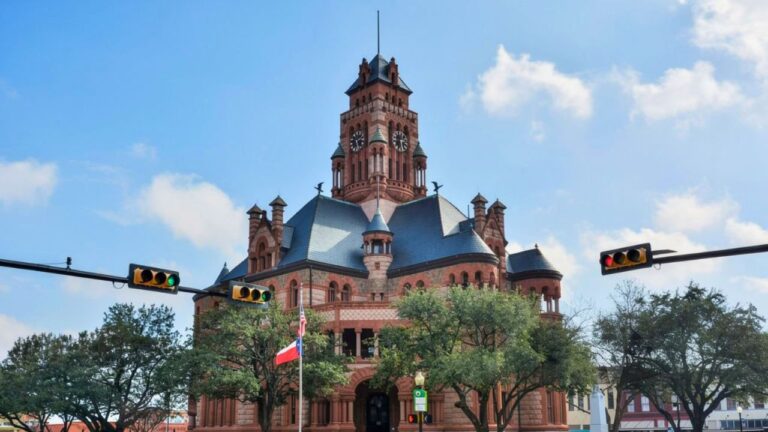
For families leaving bigger cities or priced-out suburbs, Waco can look like a practical middle ground. It has Baylor University, I-35 access, the Brazos River, Cameron Park, Magnolia-driven tourism, older neighborhoods, new development, and enough name recognition that people moving in do not feel like they are disappearing off the map.
But Waco is not frozen in time. It is growing, changing, and dealing with the same kind of housing, traffic, and cost questions that follow attention anywhere in Texas.
Waco feels connected without feeling swallowed by a giant metro
One of Waco’s biggest advantages is its location. It sits along I-35 between Dallas-Fort Worth and Austin, which makes it feel connected to the state’s bigger economic and cultural corridors without being fully absorbed by either one.
That matters for families who still need access to bigger cities sometimes. A medical specialist, airport, work meeting, concert, family visit, or weekend trip does not feel impossible. Dallas and Austin are not around the corner, but they are not a plane ride away either.
Waco gives some families the thing they are actually looking for: a city that has enough going on day to day, but does not feel like it is running at Dallas or Austin speed every hour of the week.
The city is bigger than outsiders sometimes realize
People who only know Waco through “Fixer Upper” reruns or a quick stop on I-35 may underestimate it. This is not a tiny town with one cute downtown street and nothing else.
The U.S. Census Bureau estimated Waco’s population at 146,608 in 2024, making it a sizable Texas city in its own right. Census data also lists the median value of owner-occupied housing units from 2020 to 2024 at $221,700, with median gross rent at $1,165.
Those numbers help explain part of the draw. Waco is not dirt cheap, and locals will tell you prices are not what they used to be. But compared with many larger Texas metros, the housing numbers can still look more approachable to families trying to get out from under bigger-city costs.
Baylor gives Waco a built-in energy
College towns have their own rhythm, and Baylor is a major part of Waco’s. The university brings students, sports, jobs, visitors, research, events, and a steady stream of people who keep parts of the city moving.
That can be good for families. It supports restaurants, coffee shops, rentals, entertainment, medical services, and a broader local economy. It also gives Waco a younger, more active feel than some cities its size.
But it comes with trade-offs too. Baylor football weekends, student move-in, graduation, and campus-area traffic can change how parts of town feel. A family buying or renting near campus should understand the calendar, not just the address.
Tourism changed how people see Waco
Waco’s tourism identity has changed a lot over the last decade, and Magnolia is a big reason why. The city now draws visitors who come for Magnolia Market, home design shopping, food, photos, and the broader Waco weekend experience.
That attention has put Waco in front of people who might never have considered it otherwise. A family visits for a weekend, sees the downtown energy, stops at the Silos, drives through neighborhoods, and suddenly Waco feels less like a highway stop and more like a place they could actually live.
Visit Waco promotes attractions such as Magnolia Market, Cameron Park Zoo, the Dr Pepper Museum, the Waco Mammoth National Monument, and the Texas Ranger Hall of Fame, which shows how much the city has to offer beyond one famous brand.
That mix helps Waco stand out. It has enough visitor interest to feel lively, but enough local infrastructure that it is not only a tourist town.
Cameron Park gives families real outdoor space
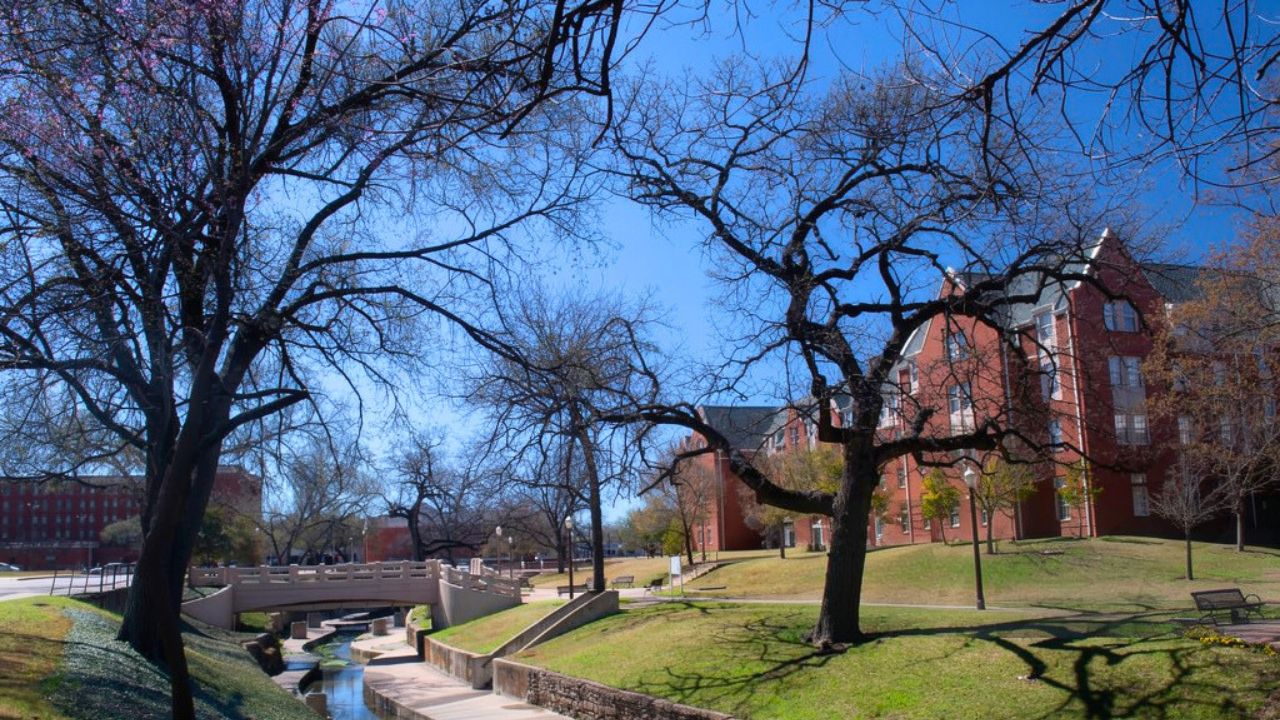
Cameron Park is one of Waco’s strongest quality-of-life pieces. It gives the city a major outdoor anchor with trails, river views, playgrounds, picnic areas, and space that feels bigger than a typical city park.
For families, that kind of outdoor access matters. Kids need places to run. Adults need free or low-cost options that do not involve shopping. A city with good parks can make ordinary weekends feel easier and cheaper.
This is one of the reasons Waco works for people who want a slower pace without feeling bored. You can have restaurants and events, then still get outside without driving hours into the country.
Housing looks more approachable, but buyers still need to do the math
Waco’s housing costs may look better than Austin, Dallas, or some North Texas suburbs, but buyers should not confuse “more approachable” with “automatically easy.” Insurance, property taxes, interest rates, repairs, utilities, and older-home maintenance can change the monthly picture quickly.
A historic or older Waco home may have character, but character can come with old plumbing, older electrical systems, foundation movement, roof age, insulation problems, and higher cooling costs. A newer home may offer fewer immediate repairs but bring HOA dues, higher purchase prices, or a longer drive from the city center.
HUD’s 2024 Waco housing market analysis noted that home sales slowed during the 12 months ending March 2024 while the average home price still rose about 1% to $280,100, showing a market that cooled in activity without suddenly becoming a bargain bin.
That is the part buyers need to hear. Waco may be a better fit financially, but it still deserves a full budget, not a guess.
The slower pace is real, but traffic still exists
Waco is calmer than Dallas or Austin in a lot of ways. That does not mean every road is easy. I-35 has been a defining traffic headache for years, and local growth brings more cars into the mix.
Families moving in should pay attention to where they actually need to go. A house may look perfect, but if daily life requires crossing town at the wrong times, dealing with school traffic, or using I-35 constantly, the slower pace can feel less slow.
The good news is that Waco is still easier to understand than a giant metro. The frustrating spots tend to be more predictable. The key is learning them before picking a neighborhood.
Waco works for families who want both local life and access
The best thing Waco offers is balance. It has enough of a city feel to keep families from feeling isolated, but it is not so large that every outing becomes a strategy session. It has Baylor energy, tourism, parks, a downtown, medical access, and housing that can still make sense for some families trying to escape bigger-city pressure.
It also has real growing pains. Costs are rising. Traffic can annoy people. Tourism changes certain areas. Older homes need work. And the city’s popularity means it is no longer some overlooked secret.
For families looking for a slower pace without cutting themselves off from the rest of Texas, Waco makes a strong case. Just do not judge it from a weekend at the Silos alone. Drive the neighborhoods. Check the commute. Price the full monthly cost. Look at schools, repairs, taxes, and daily errands.
Waco is not trying to be Dallas or Austin. That is exactly why people keep looking at it.

Abbie Clark founded The Texas Reader to give Texas readers a clearer, more practical place to follow the stories affecting their homes, wallets, families, and communities.
As founder and editor, she oversees the site’s editorial direction, sourcing standards, corrections process, and daily coverage priorities. Her focus is on stories that are useful, understandable, and connected to real life.