The Texas Lake Safety Mistakes That Can Turn a Normal Weekend Dangerous
A Texas lake weekend can feel simple from the driveway. Load the cooler, pack the towels, grab the fishing rods, hook up the boat, and head out before the heat gets too bad. By the time everyone gets to the ramp, though, the day can get busy fast. Boats are lining up, kids are excited, people are trying to unload gear, the wind picks up, and the water looks calmer from shore than it really is.
That is where lake days can become risky. Lakes are not controlled like pools. The water can be deep, murky, windy, crowded, and unpredictable. Boats, jet skis, swimmers, kayaks, tubes, docks, fishing lines, sudden drop-offs, and alcohol can all end up in the same space. A normal weekend does not need a dramatic mistake to turn dangerous. It usually takes a few small ones stacked together.
Texas families do not need to avoid the lake. They just need to treat it like a place that deserves respect every single time.
Treating life jackets like optional gear
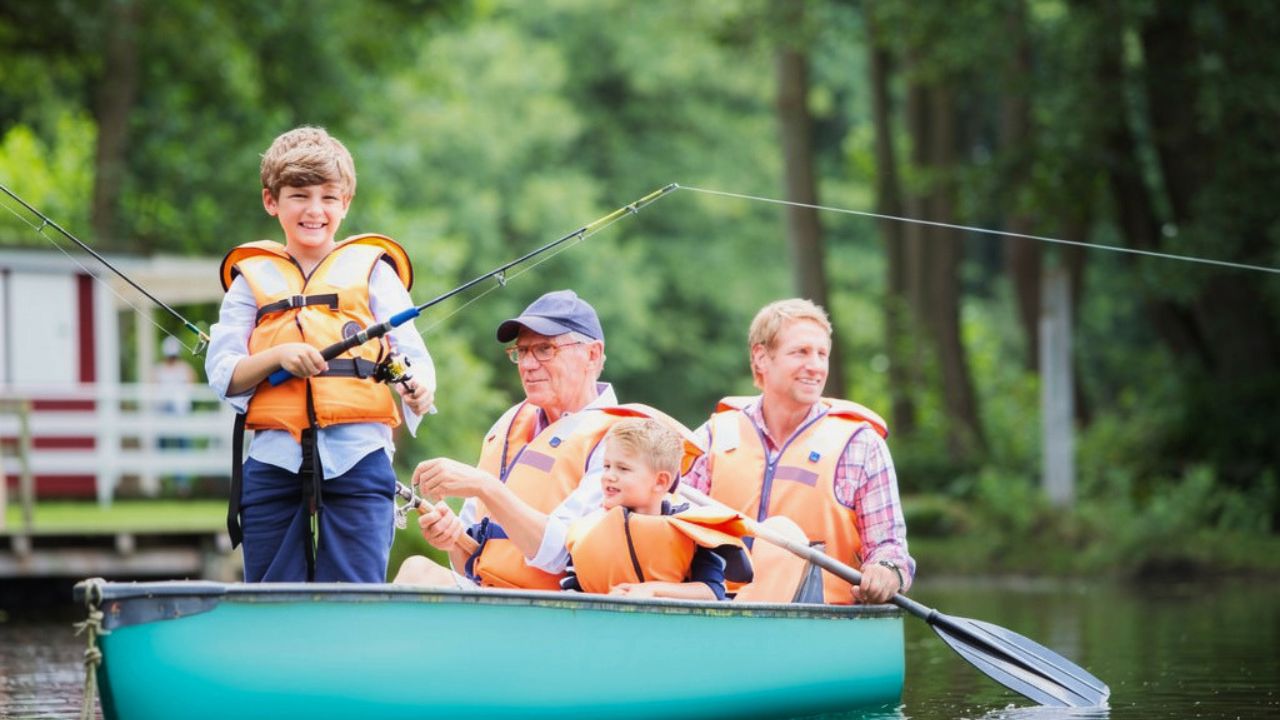
A life jacket is easy to skip when the boat is close to shore, the water looks calm, or everyone says they can swim. That is one of the most dangerous habits on the water. A person who falls unexpectedly, gets hit, panics, cramps, gets tired, or ends up in rough water may not have time to put a life jacket on after the problem starts.
Texas Parks and Wildlife says Texas law requires a wearable life jacket for each person on board, and those life jackets must be U.S. Coast Guard approved. Boats 16 feet or longer also need a throwable flotation device. Children under 13 must wear a U.S. Coast Guard-approved life jacket while underway on vessels under 26 feet.
The fit matters too. Texas Parks and Wildlife warns that adult life jackets do not work for children and says children need properly fitted, child-sized life jackets. A jacket bought for a child to “grow into” may not protect them properly when they need it.
Assuming strong swimmers are automatically safe
Being a good swimmer helps, but it does not make someone lake-proof. Pools have clear water, edges, steps, lights, and controlled depth. Lakes can have sudden drop-offs, weeds, mud, waves, boat wakes, cold spots, and low visibility. A person who swims well in a pool can still get into trouble in open water.
Strong swimmers also take risks because they trust themselves. They jump off boats without a life jacket. They swim farther than planned. They try to retrieve a hat, a float, or a dropped item. They assume the boat can circle back quickly if needed.
Texas Parks and Wildlife’s boating safety tips say most boating fatality victims recovered were not wearing a personal flotation device. That is the point families should remember. The life jacket is not only for people who cannot swim. It is for the unexpected moment when swimming ability is not enough.
Letting kids drift on inflatable toys
Inflatable tubes, rafts, floats, and pool toys look harmless near shore, but wind can move them faster than adults expect. A child can drift away from the bank, dock, or swim area before anyone realizes how far they have gone.
That is especially risky on open water because inflatables are not safety devices. They can flip, deflate, drift, or carry a child into deeper water. If the child is not wearing a properly fitted life jacket, the situation can turn serious quickly.
Families should keep young kids within arm’s reach around water and avoid letting inflatables become the thing “holding” a child in place. If wind picks up, floating toys should be pulled from the water or used only in a controlled area with close adult supervision.
Forgetting that boat ramps are chaotic
A busy boat ramp is one of the most stressful places at the lake. People are backing trailers, waiting impatiently, unloading coolers, moving kids, tying lines, trying to start motors, and dealing with wet concrete. That is not the place to figure out the plan for the first time.
Families should load gear before getting into the ramp lane. Kids should stay away from moving trailers and vehicles. The person backing the trailer should have a clear spotter if needed. Everyone should know who is responsible for the boat, the truck, the lines, and the kids.
A little preparation keeps the ramp safer and less tense. It also helps avoid rushed decisions that can cause damage, arguments, or injuries before the boat even leaves shore.
Mixing alcohol with boating
Alcohol can change a lake day faster than people want to admit. It affects judgment, balance, reaction time, coordination, and decision-making. On land, that is bad enough. On water, where boats are moving, people are swimming, and emergencies happen quickly, it becomes even riskier.
The person operating the boat needs to stay sober. That should not be negotiable. A boat operator is making constant decisions about speed, distance, other boats, swimmers, docks, weather, waves, and the route back. Those decisions need a clear head.
Passengers should be careful too. Alcohol can make people more likely to jump in without a life jacket, ignore fatigue, misjudge distance, or miss signs that someone else is struggling.
Letting children swim without a clear watcher
The phrase “we’re all watching” does not work around water. When everyone is supposedly watching, no one may actually be watching. Adults talk, check phones, unpack food, deal with the boat, help another child, or assume another adult has it covered.
Texas DFPS says 21 children have drowned in Texas in 2026 so far, and it warns that drowning is a leading cause of accidental death for children under 5. The agency also notes that drowning can happen in almost any amount of water, indoors or outdoors.
At the lake, one adult should be assigned as the water watcher for a set period of time. That adult should not be drinking, scrolling, grilling, fishing, or packing gear. When they need a break, they should clearly hand the job to someone else.
Ignoring wind and weather changes
Texas weather can change fast, and wind matters on the lake even when there is no storm. Wind can push inflatables, make paddling harder, create choppy water, and make docking or loading the boat more difficult. It can also turn a relaxing float into a long struggle back to shore.
Families should check the weather before leaving and again before launching. Watch the sky, the wind, and the behavior of other boaters. If experienced people are heading in, there may be a reason.
Lightning is another serious concern. Water and open shorelines are not where families want to be during a thunderstorm. If storms are building, the safest move is to leave the water early instead of waiting until everyone else is racing back at the same time.
Getting too close to boats, docks, and propellers
Propellers are one of the most overlooked dangers at the lake. People think about drowning, but they may not think enough about the space around a boat’s motor. Swimmers, tubers, and passengers should stay away from the propeller area, and the boat should be off when people are boarding, exiting, or swimming nearby.
Docks and marinas also need caution. Boats may move in tight spaces. Lines can trip people. Wet surfaces can be slick. Kids may run without noticing cleats, ropes, or gaps between the dock and boat.
Everyone on the boat should know basic rules before anyone gets in the water: no jumping near the motor, no swimming behind the boat while it is running, no boarding until the operator says it is safe, and no assuming the driver can see every person in the water.
Skipping the safety gear check
A boat should not leave the ramp unless the required safety gear is on board and easy to reach. That includes life jackets, throwable flotation, fire extinguisher if required, lights, sound-producing device, registration, and other gear based on the boat type and size.
It also helps to have a first-aid kit, extra water, sunscreen, phone protection, a charger, rope, a basic tool kit, and a way to call for help. None of that feels exciting when the weather is good. It matters when something breaks, someone gets hurt, or the boat does not start.
The mistake is treating safety gear like a technicality instead of part of the trip. If it is buried under coolers and towels, it may as well not be there when seconds matter.
Letting the ride home get sloppy
A lot of problems happen late in the day when everyone is tired, sunburned, hungry, and ready to leave. That is when kids stop listening, adults rush the loading process, and drivers try to beat the ramp crowd.
The ride home needs as much attention as the trip out. Count every person before leaving the water. Make sure the boat is loaded correctly. Secure gear. Check the trailer connection. Watch for tired drivers. Do not let kids wander around the ramp while the trailer is moving.
Texas lake days are supposed to be fun. Most of them are. But the safest families are the ones who do the boring things every time: wear the life jackets, assign a water watcher, respect the weather, keep distance from motors, and slow down at the ramp. That is what keeps a normal weekend from turning into the one everyone wishes they had handled differently.