Tenant Says Her Landlord Kept Entering Her Apartment, Eating Her Food, Using Her Toilet, and Leaving Notes on Her Pillow
At first, it sounded like the worst kind of landlord story.
A tenant said their landlord was entering their flat almost every day without permission. Not once during an emergency. Not occasionally for repairs. Almost every day.
The tenant explained in a Reddit post that they had reached a breaking point because the landlord kept waiting until they were out, going inside the flat, moving things around, using the toilet, eating their food, and leaving sticky notes criticizing how they lived.
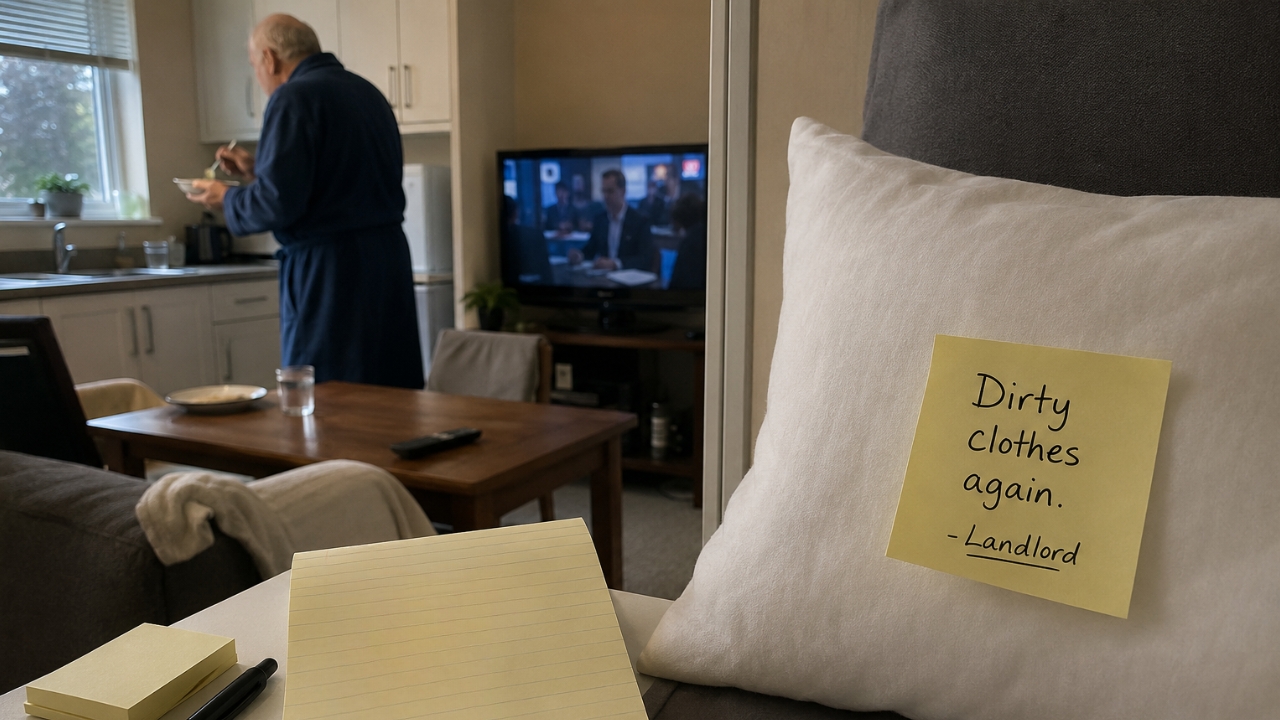
One note was left on the tenant’s pillow.
That was the detail that made the situation feel especially invasive. It was not just that the landlord was entering the property. He was going into private rooms, commenting on the tenant’s bed, and leaving reminders as though he had a right to manage the inside of someone else’s home.
The tenant said the landlord always had an excuse. He blamed the pandemic and suggested the tenant should not be out of the house anyway. He also brought up an old incident from a year earlier when a tap had been left running and a sink overflowed.
But the tenant said that did not explain what was happening now.
The landlord was not simply checking for a leak. He was coming in while the tenant was gone, eating food, using the bathroom, leaving notes, and treating the flat like it belonged to him in a personal, everyday way.
The tenant had called police months earlier, but because there had once been a water-related issue, they felt as if the landlord’s explanation had been accepted. That left them scared and unsure of what they were legally allowed to do.
They were especially afraid to change the locks.
According to the tenant, the landlord had told them they were required by law to give him keys and could be arrested for trying to take full possession of the property if they changed the locks. That threat frightened them enough that they hesitated, even though the situation had become unbearable.
The tenant said they had even stopped keeping food in the flat because the landlord would eat it.
In the comments, people told the tenant that what was happening was not normal and not acceptable. Several said the tenant should document everything: every visit, every note, every sign that the landlord had entered. Others urged them to contact the police again, speak to local housing authorities, and get legal advice.
One commenter asked a practical question: how did the landlord know when the tenant was gone?
The tenant answered that the landlord lived across the road. Since the tenant had a work van, it was easy to see when they were home and when they were out.
That made the whole thing feel even more unsettling. The landlord was not just randomly stopping by. He could watch the property, see when the tenant left, and then enter.
The tenant took Reddit’s advice and ordered a camera. They also saved the sticky notes, because the landlord signed them with his name.
Then they waited.
The camera confirmed what they had suspected.
The landlord came in every day.
Every single day, according to the tenant, he entered the flat as if it were his own. He sat down, watched TV, ate lunch, did some washing up, and used the toilet. He only went into the bedroom once during the camera period, leaving a note about dirty clothes.
That footage gave the tenant proof, but the next step was still frightening. After catching him on camera, they wrote a letter saying he needed to give 24 hours’ notice before entering and that they would be changing the locks. They made clear that if he needed to come in for maintenance, they would let him in properly.
Then they changed the locks.
The next development completely changed the tone of the story.
The landlord’s son came to see the tenant.
Apparently, the landlord had called his son in a panic after discovering he could no longer get into the flat. The son explained that his father had dementia and that his condition had been getting worse. The family had not known he had been entering the tenant’s flat.
Then another detail made the situation even sadder.
The tenant had the same name as the landlord’s son, and the son had lived in that same flat years earlier while he was at university. The son wondered if his father had confused the tenant with him and was mentally slipping back into the time when he would visit his son’s flat, tidy up, leave notes, and try to be helpful.
The behavior had felt threatening and invasive to the tenant, and understandably so. But once the son became involved, the possibility emerged that the landlord had not been acting out of malice. He may have genuinely believed, in his declining state, that he was caring for his own child.
The son asked the tenant to send him the videos and copies of the notes. He said the family would look into getting his father a carer and that he would likely take over responsibility for the flat.
The tenant was relieved but also sympathetic. They said they had lost a grandmother to dementia and understood how awful it could be. They also mentioned that the son would look into deposit issues, because it sounded like the landlord had been mishandling financial and rental matters as his health declined.
Reddit commenters were stunned by the update.
At first, many readers had assumed they were watching a classic creepy-landlord situation unfold. They were ready for a story about control, harassment, or worse. Instead, the update revealed something more complicated and sad.
Some commenters said they had been angry on the tenant’s behalf until the dementia explanation emerged. Others said the tenant had still done the right thing by documenting the intrusions and changing the locks, because regardless of the landlord’s intent, the tenant deserved privacy and safety in their own home.
A number of people pointed out that the tenant’s actions may have helped the landlord’s family realize how serious his decline had become. Without the camera footage and the lock change, his son might not have known that his father was entering the flat daily, eating there, watching TV, and confusing the tenant with him.
Other commenters said the ending was about as good as such a disturbing situation could get. The tenant got their privacy back. The son learned the truth. The landlord, who appeared to be unwell rather than intentionally predatory, could finally get help.
What began as a frightening housing dispute ended with the tenant protecting their home and, unexpectedly, alerting a family to just how much their loved one needed care.

Grady Howard contributes coverage on Texas public-interest stories, household costs, transportation, weather-related concerns, safety alerts, and consumer topics.
His reporting is built around practical context — what changed, why it matters, and what readers should pay attention to next.