New Neighbor Dumps Gravel in His Yard, Builds a Fence Over the Property Line, Then Acts Shocked When He Calls the HOA
When a homeowner moved into a new subdivision, he expected the usual growing pains that come with living in a developing neighborhood. Houses were still being finished, neighbors were still settling in, and the builder’s display home next door eventually sold to new owners.
At first, there was no real relationship between him and the people who moved in next door. He said they had exchanged a few friendly waves and hellos in passing, but nobody had formally introduced themselves. That might not have mattered much under normal circumstances.
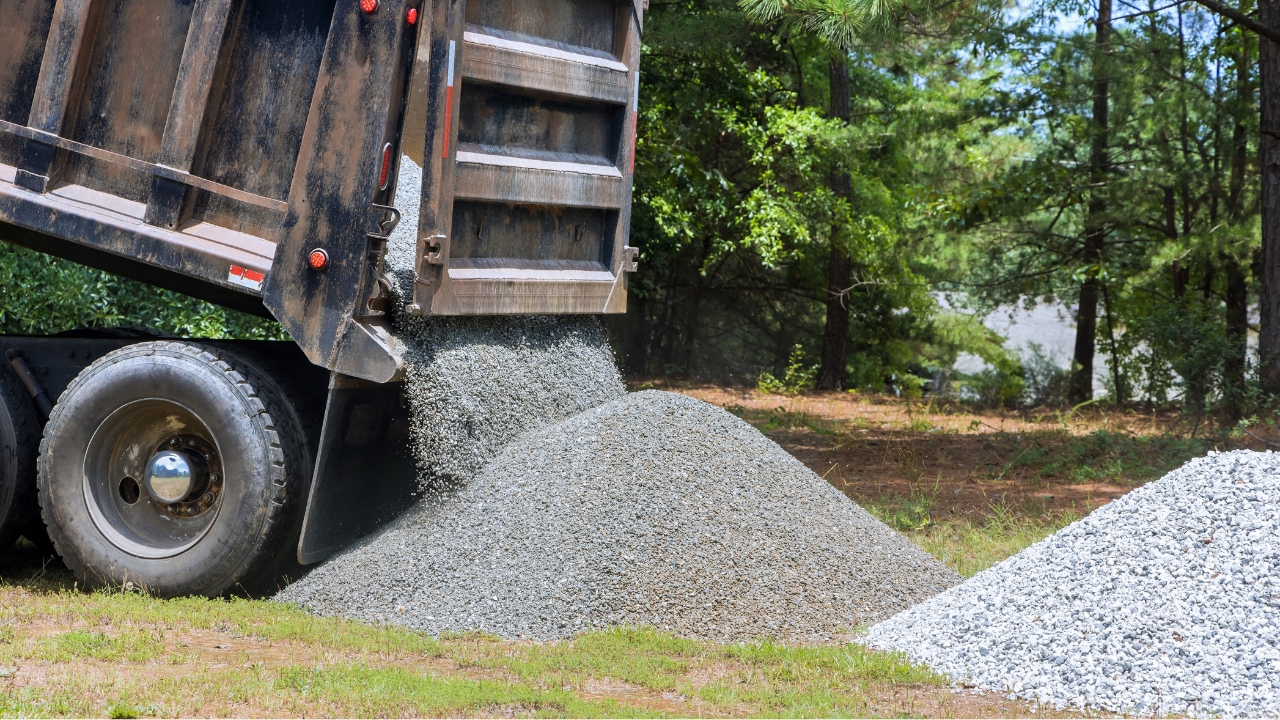
Then a dump truck dropped a load of gravel in his front yard.
The homeowner, who later explained the situation in a Reddit post, said the gravel appeared in June without warning. He contacted the builder, but the builder said it was not their truck. Confused, he posted in the neighborhood Facebook group and contacted both the HOA and the city to figure out what was happening.
Eventually, he learned that the new neighbors were getting a pool.
That meant the gravel was apparently connected to the pool project next door. The only problem was that it had been dumped on his property, not theirs.
He went to the neighbors’ house and knocked on the door. Only their son was home, so he asked the son to have one of his parents come by and arrange to get the rock removed from his yard.
The neighbors never came over to apologize. They did not introduce themselves. They did not explain what happened.
After a day or two, the contractor came back and removed most of the gravel, but the homeowner was already uneasy. A major construction project was happening right next to his property, and the people responsible for it had not given him a phone number, an email address, or any direct way to reach them.
Over the next several months, the pool project continued.
The homeowner said he had to keep an eye on the contractors to make sure they did not tear up his yard. Then, about four months after the gravel incident, the neighbors had a fence installed around their yard.
Right away, something looked wrong.
The fence seemed extremely close to the property line. It was not installed by a professional fence company, according to the homeowner, but by “three guys in a truck.” He decided not to rely on guesswork and paid for a survey.
The survey confirmed his suspicion.
About two-thirds of the fence was over the property line by one to three inches.
That might sound small to some people, but to homeowners, property lines are not casual suggestions. A fence built on the wrong side of the line can create serious problems, especially if the issue is ignored. It can affect permits, property use, future sales, and any attempt to resolve the mistake later.
So the homeowner contacted the city to check whether the pool permit was still open. He also contacted the HOA to keep them informed.
The city told him it would not close the permit without a remedy. The HOA said it would reach out to the homeowner next door and ask them to contact him.
The poster said he had tried to reach the neighbor directly. The day after getting the formal survey, he knocked on the neighbor’s door again, hoping to explain the fence issue in person. Nobody answered.
Finally, that Saturday, he caught the neighbor at home.
Instead of apologizing or asking to see the survey, the neighbor was angry.
The neighbor had already received the HOA’s email and accused the homeowner of being unfriendly for contacting the HOA first. According to the poster, the neighbor believed he should have been contacted directly before anyone else got involved.
The homeowner explained that he had tried. More than once. He had asked for contact after the gravel incident. He had knocked on the door. He had no phone number or email for them because they had never offered one.
He even tried to be practical in that moment. He offered the neighbor his phone number and a copy of the survey.
The neighbor still did not offer a phone number in return.
That left the homeowner feeling stuck. He did not want to create a years-long feud with the people living next door, but he also did not want to pretend nothing had happened while their pool construction and fence installation kept spilling onto his property.
He asked Reddit whether he was wrong for contacting the HOA and city before he had successfully spoken to the neighbor face-to-face.
The overwhelming response was that he was not wrong.
Commenters pointed out that he had already tried to be neighborly. The gravel had been dumped in his yard, and no one came to apologize. The contractors had already caused him stress during the pool project. Then the fence ended up over the property line. From their perspective, the neighbors had not earned extra patience.
Many people said the neighbors were likely angry because official involvement meant the fence problem could not simply be ignored. Others argued that this was exactly the kind of issue where contacting the city and HOA made sense, especially while the permit was still open.
A few commenters focused on the legal side. They warned him not to rely only on the HOA and suggested speaking with a real estate attorney. Several people said even an inch matters when it comes to property boundaries.
One commenter put it simply: the neighbor had already used the homeowner’s yard for convenience, first with the gravel and then with the fence, and the homeowner had every right to protect his property.
The poster later replied in the comments that he had already spoken to an attorney. His plan was to give the neighbors 30 days and then send a formal attorney-drafted letter if they still refused to fix the issue.
By that point, the conflict was no longer just about one fence post or a few inches of land. It was about a neighbor who expected courtesy after failing to show much of it himself.
The homeowner had tried waving hello. He had tried knocking. He had tried offering his phone number and the survey.
But when a dump truck, a pool project, and a misplaced fence all ended up affecting his property, he decided the paper trail mattered more than keeping up the appearance of neighborly harmony.

Grady Howard contributes coverage on Texas public-interest stories, household costs, transportation, weather-related concerns, safety alerts, and consumer topics.
His reporting is built around practical context — what changed, why it matters, and what readers should pay attention to next.